CDC, OSHA issue guidance for protecting workers from Zika virus
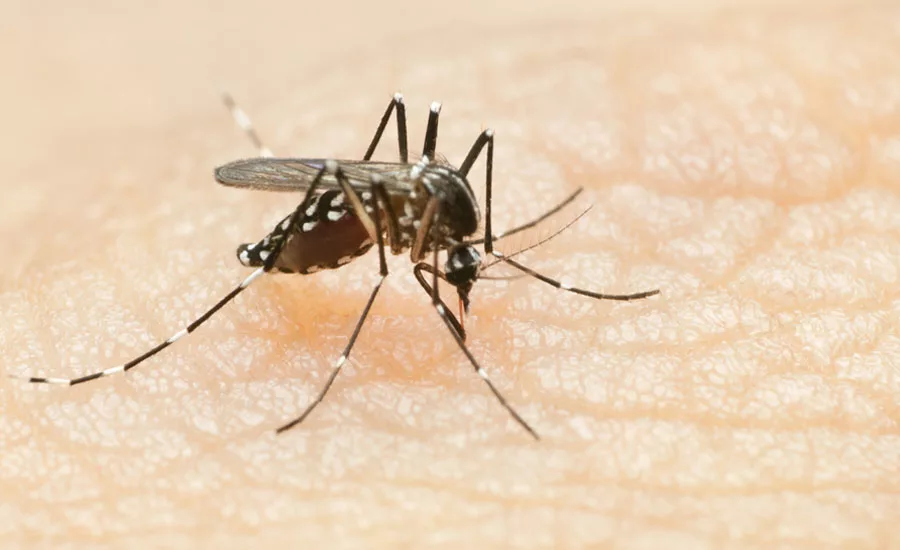
The Centers for Disease Control and Prevention (CDC) and OSHA in late April issued new guidance and information for protecting workers from occupational exposure to Zika virus.
- Interim guidance for outdoor workers, healthcare and laboratory workers, mosquito control workers, and business travelers to protect against occupational exposure to Zika virus
- Interim guidance and recommendations for employers to use to protect their workers
- Interim guidance and recommendations for workers to consider to protect themselves from mosquito bites and exposure to an infected person’s blood or other body fluids
CDC will continue to update this guidance as new information related to Zika virus transmission and related health effects becomes available, based on the accumulating evidence, expert opinion, and knowledge about the risk associated with other viral infections. Please visit http://www.cdc.gov/zika/vector/index.html for the most updated maps showing the approximate and potential locations of the two species of mosquitoes that are associated with Zika transmission.
Background:
Zika virus is primarily spread through the bites of infected mosquitoes. There is no vaccine to prevent Zika virus infection, and there is no specific treatment for people who become infected. Although Zika virus is primarily spread by infected mosquitoes, exposure to an infected person’s blood or other body fluids may also result in transmission.
Outdoor workers may be at the greatest risk of exposure to Zika virus. Some workers, including those working with insecticides in areas of active Zika transmission to control mosquitoes and healthcare workers who may be exposed to contaminated blood or other potentially infectious materials from people infected with Zika virus, may require additional protection.
Although there are no reports of transmission of Zika virus from infected patients to health care personnel or other patients, minimizing exposure to body fluids is important to reduce the possibility of such transmission.
CDC has previously recommended Standard Precautions in all health care settings to protect both health care personnel and patients from infection with Zika virus as well as from blood-borne pathogens (e.g., human immunodeficiency virus [HIV] and hepatitis C virus [HCV]).
Outdoor workers
Recommended employer actions:
- Inform workers about their risks of exposure to Zika virus through mosquito bites and train them how to protect themselves.
- Visit the CDC Zika website frequently for the most updated information.
- Provide insect repellents containing EPA-registered active ingredients and encourage their use.
- Provide workers with, and encourage them to wear, clothing that covers their hands, arms, legs, and other exposed skin. Consider providing workers with hats with mosquito netting to protect the face and neck.
- In warm weather, encourage workers to wear lightweight, loose-fitting clothing that covers exposed skin. This type of clothing protects workers against the sun's harmful rays and provides a barrier to mosquitoes. Always provide workers with adequate water, rest, and shade, and monitor workers for signs and symptoms of heat illness.
- Get rid of sources of standing water (e.g., tires, buckets, cans, bottles, barrels) whenever possible to reduce or eliminate areas where mosquitoes can lay eggs. Train workers about the importance of eliminating standing water at the worksite.
- If requested by a worker, consider reassigning workers who indicate they are or may become pregnant, or male workers who have a sexual partner who is or may become pregnant, to indoor tasks to reduce their risk of mosquito bites.
Recommended worker actions
- Use insect repellents containing EPA-registered active ingredients.
- Wear clothing that covers hands, arms, legs, and other exposed skin. Wear hats with mosquito netting to protect the face and neck. Wear socks that cover the ankles and lower legs.
- In warm weather, wear lightweight, loose-fitting clothing that covers exposed skin. This type of clothing protects workers against the sun's harmful rays and provides a barrier to mosquitoes. Drink plenty of water, take rest breaks in shaded areas, and watch for signs and symptoms of heat illness, including in coworkers.
- Get rid of sources of standing water (e.g., tires, buckets, cans, bottles, barrels) whenever possible to reduce or eliminate areas where mosquitoes can lay eggs.
CDC recommends special precautions for pregnant women in areas with Zika transmission. Talk to your supervisor(s) about outdoor work assignment(s) if you are or may become pregnant, or, for male workers, if your sexual partner is or may become pregnant. Additional CDC information on Zika virus and pregnancy can be found on CDC’s website.
If symptoms develop, seek medical attention promptly. Discuss any possible exposure to mosquitoes or infections spread by mosquitoes with a healthcare provider.
Healthcare and laboratory workers
Employers and workers in healthcare settings and laboratories should follow standard infection control and biosafety practices (including universal precautions) as appropriate, to prevent or minimize the risk of Zika virus transmission.
Standard precautions include, but are not limited to, hand hygiene and the use of PPE to avoid direct contact with blood and other potentially infectious materials, including laboratory specimens/samples. PPE may include gloves, gowns, masks, and eye protection.
Hand hygiene consists of washing with soap and water or using alcohol-based hand rubs containing at least 60 percent alcohol. Soap and water are best for hands that are visibly soiled. Perform hand hygiene before and after any contact with a patient, after any contact with potentially infectious material, and before putting on and upon removing PPE, including gloves.
Laboratories should ensure that their facilities and practices meet the appropriate Biosafety Level (BSL) for the type of work being conducted (including the specific biologic agents – in this case, Zika virus) in the laboratory.
Employers should ensure that workers: Follow workplace standard operating procedures (e.g., workplace exposure control plans) and use the engineering controls and work practices available in the workplace to prevent exposure to blood or other potentially infectious materials.
Employers should ensure workers do NOT bend, recap, or remove contaminated needles or other contaminated sharps. Properly dispose of these items in closable, puncture-resistant, leak-proof, and labeled or color-coded containers. Workers should use sharps with engineered sharps injury protection (SESIP) to avoid sharps-related injuries.
Mosquito control workers
When working outdoors, follow the same precautions recommended above for general outdoor workers for protection against mosquito bites. Workers performing tasks related to mosquito control, such as entering areas with dense mosquito populations (ponds and other locations of standing water), may need additional protection (additional protective clothing, enhanced skin protection), depending on their job tasks.
Workers who mix, load, apply, or perform other tasks involving wide-area (or area) insecticides may need additional protection to prevent or reduce exposure to hazardous chemicals.
Workers conducting mosquito control operations with insecticides may require respirators, which must be used in accordance with the respirator selection, medical clearance, fit-testing, and other requirements of OSHA’s Respiratory Protection standard.
Business Travelers
Follow CDC guidance for travel to areas with active Zika transmission
Employers should consider allowing flexibility in required travel to areas with active Zika transmission for workers who are concerned about Zika virus exposure.
CDC recommends that pregnant women not travel to areas with active Zika virus transmission.
Consider delaying travel to areas with active Zika virus transmission, especially for workers who are or may become pregnant or whose sexual partners may become pregnant.
Even if they do not feel sick, travelers returning to the United States from an area with Zika should take steps to prevent mosquito bites for 3 weeks so they do not pass Zika to mosquitoes that could spread the virus to other people.
CDC will continue to update its guidance related to occupational exposure to Zika and related health effects based on the accumulating evidence, expert opinion, and knowledge about the risk associated with other viral infections. For updates, visit: www.cdc.gov/zika
Looking for a reprint of this article?
From high-res PDFs to custom plaques, order your copy today!


