ISHN logo
search
cart
facebook twitter linkedin youtube
  • Sign In
  • Create Account
  • Sign Out
  • My Account
ISHN logo
  • NEWS
    • Today's News
    • Global Safety News
    • Government Regulations
  • PRODUCTS
    • Product Innovations
    • Featured Products
  • TOPICS
    • Environmental Health and Safety
    • Facility Safety
    • Workplace Health
    • Occupational Safety
    • PPE
    • More Topics
  • CONSTRUCTION
  • TECHNOLOGY
  • COLUMNS
    • Best Practices
    • Dave Johnson: What’s going on
    • Editorial Comments
    • Leading Safety
  • MULTIMEDIA
    • ISHN Podcast
    • Videos
    • Cold Stress Education Quiz
    • Webinars
    • White Papers
  • MORE
    • Buyer's Guide
    • Newsletters
    • Convention Companion
    • Polls
    • Events
    • ISHN Store
    • Sponsor Insights
  • EMAGAZINE
    • eMagazine
    • Archived Issues
    • Contact
    • Advertise
  • JOIN TODAY!
Today's Safety NewsTransportation Safety

Flying safely in winter weather

winter
October 4, 2016

As winter approaches, U.S. airports, airline flight crews, dispatchers, general aviation pilots, air traffic controllers, and manufacturers will begin using new Takeoff and Landing Performance Assessment (TALPA) methods to improve safety at U.S. airports.

The Federal Aviation Administration (FAA) has launched a TALPA website with key information the aviation community needs to know to prepare for the TALPA changes, which will be effective tomorrow, October 1. FAA guidance, notices, alerts, videos, and frequently asked questions will help the aviation community reduce the risk of runway overrun accidents and incidents due to runway contamination caused by weather and other factors.

The FAA developed the standards based on the work of the TALPA Aviation Rulemaking Committee (ARC). As a result of the committee’s work, the FAA has developed a revised method for airports and air traffic controllers to communicate actual runway conditions to the pilots in terms that directly relate to the way a particular aircraft is expected to perform. The TALPA initiative improves the way the aviation community assesses runway conditions, based on contaminant type and depth, which provides an aircraft operator with effective information to anticipate airplane braking performance.

Airport operators will use the new Runway Condition Assessment Matrix (RCAM) to assess runway conditions, and pilots will use it to interpret reported runway conditions. The RCAM is presented in a standardized format, based on airplane performance data supplied by airplane manufacturers, for each of the stated contaminant types and depths. The RCAM replaces subjective judgments of runway conditions with objective assessments tied directly to contaminant type and depth categories.

The pilot or dispatcher will then consult the aircraft manufacturer data to determine what type of stopping performance to expect from the specific airplane they are operating.

The airport operator will assess surfaces, report contaminants that are present, and input the information into the Federal NOTAM System in order to generate the numerical Runway Condition Codes (RwyCC) based on the RCAM. The RwyCCs may vary for each third of the runway if different contaminants are present. However, the same RwyCC may be applied when a uniform coverage of contaminants exists. RwyCCs will replace Mu values, which will no longer be published in the Federal NOTAM System.

Pilot braking action reports will continue to be used to assess braking performance. As of October 1, the terminology “Fair” was replaced by “Medium.” It will no longer be acceptable for an airport to report a NIL (none) braking action condition. NIL conditions on any surface require the closure of that surface. These surfaces will not be opened until the airport operator is satisfied that the NIL braking condition no longer exists.

KEYWORDS: aviation safety Federal Aviation Administration (FAA) severe weather

Share This Story

Looking for a reprint of this article?
From high-res PDFs to custom plaques, order your copy today!

Recommended Content

JOIN TODAY
to unlock your recommendations.

Already have an account? Sign In

  • forklift safety

    Exploring the latest technologies in forklift safety

    With more staff and more stock in warehousing now more...
    Workplace Training Strategies
    By: Josh Cramer
  • welding

    All about welder’s flash or arc eye

    A flash burn is a painful inflammation of the cornea,...
    Environmental Health and Safety
  • dangerous jobs

    The 10 most dangerous jobs in the U.S.

    On-the-job deaths have been rising — hitting the highest...
    Government Safety Regulations
    By: Benita Mehta
Manage My Account
  • eMagazine Subscriptions
  • ISHN Newsletter & Other Newsletter Alerts
  • Online Registration
  • Manage My Preferences
  • Subscription Customer Service

More Videos

Sponsored Content

Sponsored Content is a special paid section where industry companies provide high quality, objective, non-commercial content around topics of interest to the ISHN audience. All Sponsored Content is supplied by the advertising company and any opinions expressed in this article are those of the author and not necessarily reflect the views of ISHN or its parent company, BNP Media. Interested in participating in our Sponsored Content section? Contact your local rep!

close
  • man wearing the the Sundström SR200 Full Face Mask Respirator
    Sponsored byOHD

    5 Fit Testing Mistakes That Could Cost You

  • This image shows Magid AcuSpex polarized blue mirrored safety glasses.
    Sponsored byMagid Glove and Safety

    Construction PPE Guide: What Crews Need for Each Task

  • lone worker in confined space
    Sponsored byAlphasense Ltd.

    GET THE LEAD OUT of your Safety Oxygen Sensors!

Popular Stories

SpaceX 7 launch

OSHA Investigating Fatal Fall at SpaceX Starbase

Worker Impairment

How to Tell When a Co-Worker is Impaired? A Safety Pro’s Challenge

psychology in the workplace

Most Workplaces Measure Psychological Safety, Ignoring Psychosocial Risks

top 10 most dangerous jobs

Poll

Seasonal Readiness

With the federal heat stress prevention rule on the horizon, which area of your safety program needs the most attention?
View Results Poll Archive

Products

Surviving an OSHA Audit A Management Guide, 2nd Edition

Surviving an OSHA Audit A Management Guide, 2nd Edition

See More Products

ISHN Podcasts

Related Articles

  • winter

    How to drive safely in the winter

    See More
  • Winter weather advisory: Costly slips, trips and falls can be prevented

    See More
  • Are you prepared for winter weather?

    See More

Related Products

See More Products
  • 111885960X.jpg

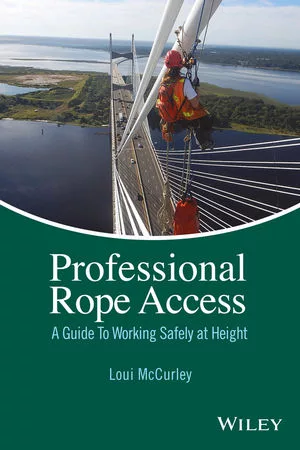
    Professional Rope Access: A Guide To Working Safely at Height

See More Products

Related Directories

  • Safe Site Check In LLC

    Make Jobsite Management Easy(™). Safe Site Check In saves jobsite safety, super, project, and cost managers hours a day including: Digital badging, onboarding & training, Safety screening, Daily log creation Safety JSA, EAP, SDS Project management integration, Subcontractor management, Remote site monitoring, Worker profiles, Incident investigations.
×

Become a Leader in Safety Culture

Build your knowledge with ISHN, covering key safety, health and industrial hygiene news, products, and trends.

JOIN TODAY
  • RESOURCES
    • Advertise
    • Contact Us
    • Directories
    • Manufacturing Division
    • Store
    • Want More
  • SIGN UP TODAY
    • Create Account
    • eMagazine
    • Newsletters
    • Customer Service
    • Manage Preferences
  • SERVICES
    • Marketing Services
    • Reprints
    • Market Research
    • List Rental
    • Survey/Respondent Access
  • STAY CONNECTED
    • LinkedIn
    • Facebook
    • YouTube
    • X (Twitter)
  • PRIVACY
    • PRIVACY POLICY
    • TERMS & CONDITIONS
    • DO NOT SELL MY PERSONAL INFORMATION
    • PRIVACY REQUEST
    • ACCESSIBILITY

Copyright ©2026. All Rights Reserved BNP Media, Inc. and BNP Media II, LLC.

Design, CMS, Hosting & Web Development :: ePublishing