ISHN logo
search
cart
facebook twitter linkedin youtube
  • Sign In
  • Create Account
  • Sign Out
  • My Account
ISHN logo
  • NEWS
    • Today's News
    • Global Safety News
    • Government Regulations
  • PRODUCTS
    • Product Innovations
    • Featured Products
  • TOPICS
    • Environmental Health and Safety
    • Facility Safety
    • Workplace Health
    • Occupational Safety
    • PPE
    • More Topics
  • CONSTRUCTION
  • TECHNOLOGY
  • COLUMNS
    • Best Practices
    • Dave Johnson: What’s going on
    • Editorial Comments
    • Leading Safety
  • MULTIMEDIA
    • ISHN Podcast
    • Videos
    • Cold Stress Education Quiz
    • Webinars
    • White Papers
  • MORE
    • Buyer's Guide
    • Newsletters
    • Convention Companion
    • Polls
    • Events
    • ISHN Store
    • Sponsor Insights
  • EMAGAZINE
    • eMagazine
    • Archived Issues
    • Contact
    • Advertise
  • JOIN TODAY!
Environmental Health and Safety

What is an “arc eye”?

eye
December 6, 2016

A flash burn is a painful inflammation of the cornea, which is the clear tissue that covers the front of the eye. A flash burn occurs when you are exposed to bright ultraviolet (UV) light. It can be caused by all types of UV light, but welding torches are the most common source. That’s why it is sometimes called ‘welder’s flash’ or ‘arc eye’.

Flash burns are like sunburn in the eye and can affect both your eyes. Your cornea can repair itself in one to two days, and usually heals without leaving a scar. However, if the flash burn is not treated, an infection may start. This can be serious and may lead to some loss of vision.

Symptoms of flash burn

The symptoms include:

  • pain that may be mild to very severe, usually starting a few hours after the incident
  • bloodshot eyes
  • light sensitivity
  • watery eyes
  • blurred vision
  • the feeling of having something in your eye.

Causes of flash burn

You can receive a flash burn after being exposed to UV light. Sources include:

  • welding torch
  • direct sunlight
  • reflection of the sun off water or snow
  • sunlamp in a tanning salon
  • some types of lamps, such as halogen or a photographer’s flood lamp.

Diagnosis of flash burn

Diagnosis requires an eye examination, which may include:

  • Anaesthetic drops – the doctor may use eye drops to numb your eyes. These drops work long enough to examine your eyes and should not be used more than a few times.
  • Inspection – the eyes are checked for damage.
  • Dye – the doctor may put orange dye in your eyes. This shows up any damage when a special blue light is used. The dye is harmless and washes out with your tears.

Treatment for flash burn

Treatment for flash burns may include:

  • Dilating drops – these are sometimes used to relax the eye muscles, which in turn eases pain and allows your eyes to rest and heal. Your pupils (the black part of the eye) will look bigger than normal. This effect lasts several hours to a few days.
  • Dressing – your eyes may be covered with a padded dressing to rest them and allow them to heal.
  • Do not drive with an eye patch on.
  • Antibiotics – you may be advised to use antibiotic drops or ointment at home to stop infection. Follow your doctor’s advice as to how often to use the prescribed eye drops or ointment. You may also be given a mild steroid-based anti-inflammatory drop.
  • Review – you will be reviewed in 24 to 48 hours to make sure that your eyes are healing. Some problems, such as infection, don’t show up right away. If there are any serious problems, you will be sent to an ophthalmologist (specialist eye doctor).

Taking care of yourself at home after a flash burn

Suggestions include:

  • Take pain-relieving medication such as paracetamol, ibuprofen or codeine. Check the packet for the right dose. The pain is likely to last about a day.
  • Don’t wear contact lenses until your eyes have healed.
  • Wear sunglasses if your eyes are sensitive to light.
  • Use artificial tears or lubricants to help any discomfort in your eyes. You can buy these products over the counter at most pharmacies.
  • It is important to return for a check-up when your doctor advises.

Seek urgent medical help for flash burn

You should see your doctor or go to the nearest hospital emergency department if you have symptoms including:

  • blurred vision that is not due to eye drops or ointment
  • worsening glare
  • worsening pain
  • if you are concerned about your eyes for any reason.

Prevention of flash burn

Prevention is best. Suggestions include:

  • Protect the cornea from UV light by wearing coated safety goggles.
  • Always wear a welder’s mask when welding. Make sure the goggles are made to Australian Standards and cover the eyes completely.
  • Sunglasses should protect against both UVA and UVB radiation. Check the label when buying sunglasses.

Things to remember

  • Flash burns are like sunburn in the eye and can affect both your eyes.
  • A flash burn occurs when you are exposed to bright UV light.
  • With the right care, your cornea will usually heal itself without leaving a scar.

Source: www.betterhealth.vic.gov.au

KEYWORDS: injuries welding safety

Share This Story

Looking for a reprint of this article?
From high-res PDFs to custom plaques, order your copy today!

Recommended Content

JOIN TODAY
to unlock your recommendations.

Already have an account? Sign In

  • forklift safety

    Exploring the latest technologies in forklift safety

    With more staff and more stock in warehousing now more...
    Facility Safety
    By: Josh Cramer
  • welding

    All about welder’s flash or arc eye

    A flash burn is a painful inflammation of the cornea,...
    Environmental Health and Safety
  • dangerous jobs

    The 10 most dangerous jobs in the U.S.

    On-the-job deaths have been rising — hitting the highest...
    Transportation Safety
    By: Benita Mehta
Manage My Account
  • eMagazine Subscriptions
  • ISHN Newsletter & Other Newsletter Alerts
  • Online Registration
  • Manage My Preferences
  • Subscription Customer Service

More Videos

Sponsored Content

Sponsored Content is a special paid section where industry companies provide high quality, objective, non-commercial content around topics of interest to the ISHN audience. All Sponsored Content is supplied by the advertising company and any opinions expressed in this article are those of the author and not necessarily reflect the views of ISHN or its parent company, BNP Media. Interested in participating in our Sponsored Content section? Contact your local rep!

close
  • man wearing the the Sundström SR200 Full Face Mask Respirator
    Sponsored byOHD

    5 Fit Testing Mistakes That Could Cost You

  • This image shows Magid AcuSpex polarized blue mirrored safety glasses.
    Sponsored byMagid Glove and Safety

    Construction PPE Guide: What Crews Need for Each Task

  • lone worker in confined space
    Sponsored byAlphasense Ltd.

    GET THE LEAD OUT of your Safety Oxygen Sensors!

Popular Stories

SpaceX 7 launch

OSHA Investigating Fatal Fall at SpaceX Starbase

Automated loading dock equipment

After March 2026 Rivian Death, Safety Managers Reassess Loading Dock Systems Under OSHA's Warehouse Emphasis Program

psychology in the workplace

Most Workplaces Measure Psychological Safety, Ignoring Psychosocial Risks

top 10 most dangerous jobs

Poll

Seasonal Readiness

With the federal heat stress prevention rule on the horizon, which area of your safety program needs the most attention?
View Results Poll Archive

Products

Surviving an OSHA Audit A Management Guide, 2nd Edition

Surviving an OSHA Audit A Management Guide, 2nd Edition

See More Products

ISHN Podcasts

Related Articles

  • What is an orbital fracture?

    See More
  • What is an asthma action plan?

    See More
  • MANAGING BEST PRACTICES: What is an e-forklift fast charge?

    See More

Related Products

See More Products
  • surviving.webp

    Surviving an OSHA Audit A Management Guide, 2nd Edition

  • industrial hy.jpg

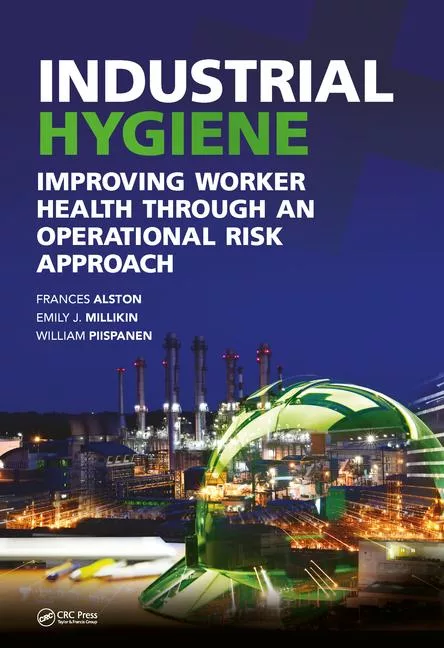
    Industrial Hygiene: Improving Worker Health through an Operational Risk Approach

See More Products

Related Directories

  • e-Hazard

    E-Hazard is dedicated to building an electrical safety culture with you. Our electrical engineering services and training will prepare your team for any electrical safety needs or concerns. E-Hazard can help with electrical training, arc flash studies, electrical audits, electrical safety programs, LOTO, infrared scanning, NFPA 70B, consulting and much more.
×

Become a Leader in Safety Culture

Build your knowledge with ISHN, covering key safety, health and industrial hygiene news, products, and trends.

JOIN TODAY
  • RESOURCES
    • Advertise
    • Contact Us
    • Directories
    • Manufacturing Division
    • Store
    • Want More
  • SIGN UP TODAY
    • Create Account
    • eMagazine
    • Newsletters
    • Customer Service
    • Manage Preferences
  • SERVICES
    • Marketing Services
    • Reprints
    • Market Research
    • List Rental
    • Survey/Respondent Access
  • STAY CONNECTED
    • LinkedIn
    • Facebook
    • YouTube
    • X (Twitter)
  • PRIVACY
    • PRIVACY POLICY
    • TERMS & CONDITIONS
    • DO NOT SELL MY PERSONAL INFORMATION
    • PRIVACY REQUEST
    • ACCESSIBILITY

Copyright ©2026. All Rights Reserved BNP Media, Inc. and BNP Media II, LLC.

Design, CMS, Hosting & Web Development :: ePublishing