ISHN logo
search
cart
facebook twitter linkedin youtube
  • Sign In
  • Create Account
  • Sign Out
  • My Account
ISHN logo
  • NEWS
    • Today's News
    • Global Safety News
    • Government Regulations
  • PRODUCTS
    • Product Innovations
    • Featured Products
  • TOPICS
    • Environmental Health and Safety
    • Facility Safety
    • Workplace Health
    • Occupational Safety
    • PPE
    • More Topics
  • CONSTRUCTION
  • TECHNOLOGY
  • COLUMNS
    • Best Practices
    • Dave Johnson: What’s going on
    • Editorial Comments
    • Leading Safety
  • MULTIMEDIA
    • ISHN Podcast
    • Videos
    • Cold Stress Education Quiz
    • Webinars
    • White Papers
  • MORE
    • Buyer's Guide
    • Newsletters
    • Convention Companion
    • Polls
    • Events
    • ISHN Store
    • Sponsor Insights
  • EMAGAZINE
    • eMagazine
    • Archived Issues
    • Contact
    • Advertise
  • JOIN TODAY!
Environmental Health and Safety

Heat exposure raises firefighter heart attack risk

April 5, 2017

Exposure to extreme heat and physical exertion during firefighting may trigger the formation of blood clots and impair blood vessel function, changes associated with increased risk of heart attack, according to new research in the American Heart Association’s journal Circulation.

Cardiovascular events are the leading cause of death among firefighters and are responsible for roughly 45 percent of on-duty firefighter fatalities annually in the United States.

“These harsh conditions can cause injury to the heart muscle in healthy firefighters and may explain the link between fire suppression and risk of heart attacks,” said Nicholas Mills, M.D., Ph.D., lead researcher and chair of cardiology and consultant cardiologist at the University of Edinburgh in Scotland.

Researchers studied 19 nonsmoking, healthy firefighters randomly selected from the Scottish Fire and Rescue Service. Seventeen participated in two fire simulation exercises, each a week apart. The exercise exposed participants to temperatures reaching upward of 400 degrees Celsius (752°F) as they attempted to retrieve a “victim” (weighing roughly 176 pounds) from a two-story structure.

Heart rate and blood pressure were monitored for 30 minutes before the exercises and for 24 hours following.

“The firefighters wore heart monitors that continuously assessed their heart rate, heart rhythm and the strength and timing of electrical impulses passing through each part of the heart. We analyzed these to look for evidence of heart strain that might signify a lack of blood being delivered to the heart muscle,” Mills said.

The findings uncovered processes known to be key in triggering heart attacks in people at risk.

“We assessed blood clotting in response to both extreme heat and physical exertion. In this setting an increase in blood clotting is likely an exaggerated normal physiological reaction to both these stressors,” Mills said.

“Lower blood pressure immediately following fire suppression is likely due to dehydration and an increase in blood being diverted to the skin to help the body cool down. We discovered the core body temperature increased, on average, nearly 2 degrees Fahrenheit over 20 minutes. And increases in hemoglobin occur as the body loses water and the blood gets more concentrated,” Mills said.

Researchers said their study suggests anyone who is exercising in extremely high temperatures should keep well hydrated and allow time to cool down afterward.

In an accompanying editorial, Stefanos N. Kales M.D., M.P.H., associate professor, Harvard Medical School & Harvard School of Public Health, The Cambridge Health Alliance – Occupational Medicine in Cambridge, Massachusetts, suggested that the study’s results highlight the unique stress to the cardiovascular system faced by firefighters. “This new study should encourage practitioners to aggressively evaluate and treat firefighters for cardiovascular disease risk factors, and when indicated, perform additional studies – such as exercise stress testing, coronary artery calcium scans or echocardiography— to detect atherosclerosis or cardiac enlargement,” Kales said.

Co-authors are Amanda Hunter, M.B., Ch.B.; Anoop Shah, M.B., Ch.B.; Jeremy Langrish, M.B., Ch.B., Ph.D.; Jennifer Raftis, B.Sc., Ph.D.; Andrew Lucking, M.B., Ch.B., Ph.D.; Mairi Brittan, Bsc., Ph.D.; Sowmya Venkatasubramanian, M.B., Ch.B.; Catherine Stables, M.Sci., M.A.; Dominik Stelzle, M.D.; James Marshall, M.B., B.S.; Richard Graveling, M.Sc., Ph.D.; Andrew Flapan, M.B., Ch.B., M.D. and David Newby, M.B., B.S., Ph.D. Author disclosures are on the manuscript.

The British Heart Foundation and Colt Foundation funded the study.

KEYWORDS: occupational exposure stress

Share This Story

Looking for a reprint of this article?
From high-res PDFs to custom plaques, order your copy today!

Recommended Content

JOIN TODAY
to unlock your recommendations.

Already have an account? Sign In

  • forklift safety

    Exploring the latest technologies in forklift safety

    With more staff and more stock in warehousing now more...
    Facility Safety
    By: Josh Cramer
  • welding

    All about welder’s flash or arc eye

    A flash burn is a painful inflammation of the cornea,...
    Environmental Health and Safety
  • dangerous jobs

    The 10 most dangerous jobs in the U.S.

    On-the-job deaths have been rising — hitting the highest...
    Construction Industry Safety and Health
    By: Benita Mehta
Manage My Account
  • eMagazine Subscriptions
  • ISHN Newsletter & Other Newsletter Alerts
  • Online Registration
  • Manage My Preferences
  • Subscription Customer Service

More Videos

Sponsored Content

Sponsored Content is a special paid section where industry companies provide high quality, objective, non-commercial content around topics of interest to the ISHN audience. All Sponsored Content is supplied by the advertising company and any opinions expressed in this article are those of the author and not necessarily reflect the views of ISHN or its parent company, BNP Media. Interested in participating in our Sponsored Content section? Contact your local rep!

close
  • man wearing the the Sundström SR200 Full Face Mask Respirator
    Sponsored byOHD

    5 Fit Testing Mistakes That Could Cost You

  • This image shows Magid AcuSpex polarized blue mirrored safety glasses.
    Sponsored byMagid Glove and Safety

    Construction PPE Guide: What Crews Need for Each Task

  • lone worker in confined space
    Sponsored byAlphasense Ltd.

    GET THE LEAD OUT of your Safety Oxygen Sensors!

Popular Stories

SpaceX 7 launch

OSHA Investigating Fatal Fall at SpaceX Starbase

Worker Impairment

How to Tell When a Co-Worker is Impaired? A Safety Pro’s Challenge

Automated loading dock equipment

After March 2026 Rivian Death, Safety Managers Reassess Loading Dock Systems Under OSHA's Warehouse Emphasis Program

top 10 most dangerous jobs

Poll

Seasonal Readiness

With the federal heat stress prevention rule on the horizon, which area of your safety program needs the most attention?
View Results Poll Archive

Products

Surviving an OSHA Audit A Management Guide, 2nd Edition

Surviving an OSHA Audit A Management Guide, 2nd Edition

See More Products

ISHN Podcasts

Related Articles

  • PTSD raises heart attack risk in women

    See More
  • Young men not controlling heart attack risk

    See More
  • depression

    Anxiety, depression may increase your heart attack risk

    See More

Related Products

See More Products
  • industrial hy.jpg

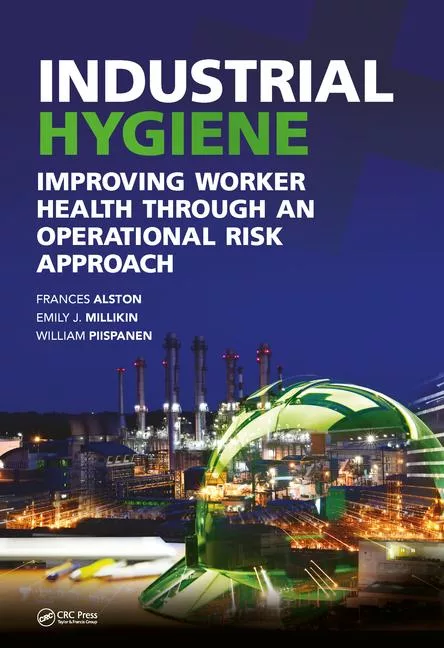
    Industrial Hygiene: Improving Worker Health through an Operational Risk Approach

  • 1118911040.jpg

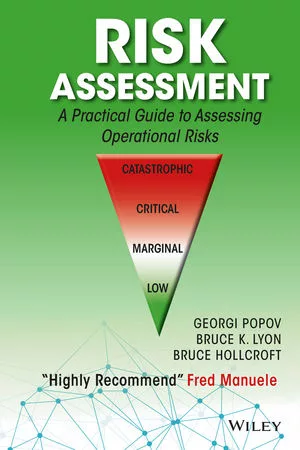
    Risk Assessment: A Practical Guide to Assessing Operational Risks

  • ANSI/AIHA/ASSE Z9.9-2010 Portable Ventilation Systems

See More Products

Events

View AllSubmit An Event
  • March 4, 2015

    ACGIH® TLV® for Heat Stress and Strain in the Context of Heat Stress Management webinar

    While the Heat Stress and Strain TLV® is designed for exposure assessment, it exists in the context of an integrated heat stress management program. This webinar will outline the components of a heat stress management program to illustrate how the TLV® can be used for exposure assessment and the development of controls.
View AllSubmit An Event

Related Directories

  • American Heart Association

×

Become a Leader in Safety Culture

Build your knowledge with ISHN, covering key safety, health and industrial hygiene news, products, and trends.

JOIN TODAY
  • RESOURCES
    • Advertise
    • Contact Us
    • Directories
    • Manufacturing Division
    • Store
    • Want More
  • SIGN UP TODAY
    • Create Account
    • eMagazine
    • Newsletters
    • Customer Service
    • Manage Preferences
  • SERVICES
    • Marketing Services
    • Reprints
    • Market Research
    • List Rental
    • Survey/Respondent Access
  • STAY CONNECTED
    • LinkedIn
    • Facebook
    • YouTube
    • X (Twitter)
  • PRIVACY
    • PRIVACY POLICY
    • TERMS & CONDITIONS
    • DO NOT SELL MY PERSONAL INFORMATION
    • PRIVACY REQUEST
    • ACCESSIBILITY

Copyright ©2026. All Rights Reserved BNP Media, Inc. and BNP Media II, LLC.

Design, CMS, Hosting & Web Development :: ePublishing