ISHN logo
search
cart
facebook twitter linkedin youtube
  • Sign In
  • Create Account
  • Sign Out
  • My Account
ISHN logo
  • NEWS
    • Today's News
    • Global Safety News
    • Government Regulations
  • PRODUCTS
    • Product Innovations
    • Featured Products
  • TOPICS
    • Environmental Health and Safety
    • Facility Safety
    • Workplace Health
    • Occupational Safety
    • PPE
    • More Topics
  • CONSTRUCTION
  • TECHNOLOGY
  • COLUMNS
    • Best Practices
    • Dave Johnson: What’s going on
    • Editorial Comments
    • Leading Safety
  • MULTIMEDIA
    • ISHN Podcast
    • Videos
    • Cold Stress Education Quiz
    • Webinars
    • White Papers
  • MORE
    • Buyer's Guide
    • Newsletters
    • Convention Companion
    • Polls
    • Events
    • ISHN Store
    • Sponsor Insights
  • EMAGAZINE
    • eMagazine
    • Archived Issues
    • Contact
    • Advertise
  • JOIN TODAY!
Workplace Health

A surprising way to cut back on salt
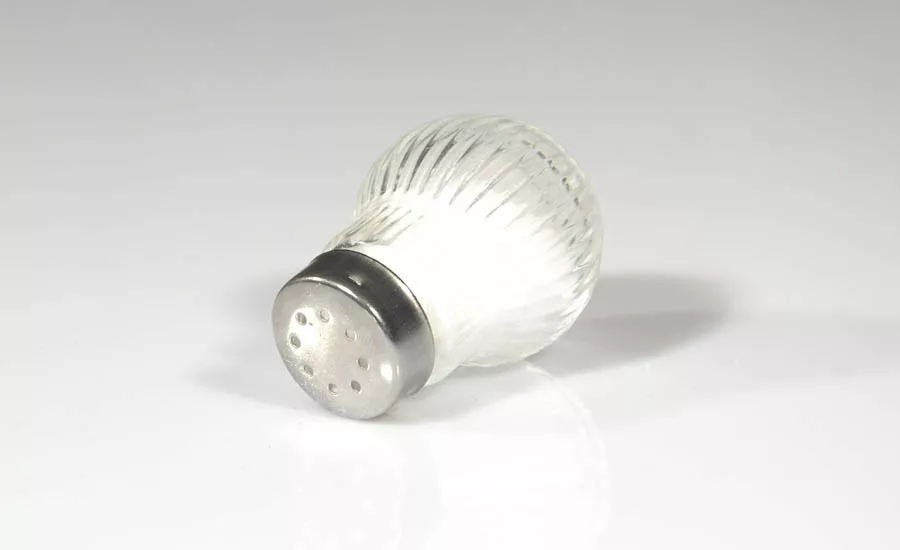
salt
November 1, 2017

Eating spicy foods can help people eat less salt and have lower blood pressure -- potentially reducing their risk of heart attack and stroke -- according to new research in the American Heart Association’s (AHA) journal Hypertension.

“Previously, a pilot study found that trace amounts of capsaicin, the chemical that gives chili peppers their pungent smell, enhanced the perception of food being salty,” said senior study author Zhiming Zhu, M.D., professor and director of the Department of Hypertension and Endocrinology at the Third Military Medical University in Chongqing, China. “We wanted to test whether this effect would also reduce salt consumption.”

The study enrolled 606 Chinese adults and determined their preferences for salty and spicy flavors. Researchers then linked those preferences to blood pressure.

They found that, compared to those who least enjoyed spicy foods, participants with a high spicy preference:

  • had 8 mm Hg lower systolic (upper) and 5mm Hg lower diastolic (bottom) blood pressure numbers; and
  • consumed less salt than participants who had a low spicy preference.

Researchers also used imaging techniques to look at two regions of the participants’ brains — the insula and orbitofrontal cortex — known to be involved in salty taste. They found that the areas stimulated by salt and spice overlapped, and that spice further increased brain activity in areas activated by salt. Authors said that this increased activity likely makes people more sensitive to salt so that they can enjoy food with less of it. 

All participants of this study are from China, so further research is needed to determine if these findings may be generalized to other countries.

“If you add some spices to your cooking, you can cook food that tastes good without using as much salt,” Zhu said. “Yes, habit and preference matter when it comes to spicy food, but even a small, gradual increase in spices in your food may have a health benefit.”

Salt and sodium are often used interchangeably, but they are not the same. More than 75 percent of the sodium Americans eat comes from processed, prepackaged and restaurant foods – not from the salt shaker. The American Heart Association recommends no more than one teaspoon of salt (2,300 mg sodium) or less per day.

Co-authors are Qiang Li, M.D.; Yuanting Cui, M.S.; Rongbing Jin, M.D.; Hongmei Lang, M.D.; Hao Yu, M.D.; Fang Sun, M.S.; Chengkang He, M.S.; Tianyi Ma, M.S.; Yingsha Li, M.S.; Xunmei Zhou, M.S.; Daoyan Liu, Ph.D.;Hongbo Jia, Ph.D. and Xiaowei Chen, Ph.D. Author disclosures are on the manuscript.

KEYWORDS: heart attack risk high blood pressure stroke

Share This Story

Looking for a reprint of this article?
From high-res PDFs to custom plaques, order your copy today!

Recommended Content

JOIN TODAY
to unlock your recommendations.

Already have an account? Sign In

  • forklift safety

    Exploring the latest technologies in forklift safety

    With more staff and more stock in warehousing now more...
    Workplace Training Strategies
    By: Josh Cramer
  • welding

    All about welder’s flash or arc eye

    A flash burn is a painful inflammation of the cornea,...
    Environmental Health and Safety
  • dangerous jobs

    The 10 most dangerous jobs in the U.S.

    On-the-job deaths have been rising — hitting the highest...
    Occupational Safety
    By: Benita Mehta
Manage My Account
  • eMagazine Subscriptions
  • ISHN Newsletter & Other Newsletter Alerts
  • Online Registration
  • Manage My Preferences
  • Subscription Customer Service

More Videos

Sponsored Content

Sponsored Content is a special paid section where industry companies provide high quality, objective, non-commercial content around topics of interest to the ISHN audience. All Sponsored Content is supplied by the advertising company and any opinions expressed in this article are those of the author and not necessarily reflect the views of ISHN or its parent company, BNP Media. Interested in participating in our Sponsored Content section? Contact your local rep!

close
  • man wearing the the Sundström SR200 Full Face Mask Respirator
    Sponsored byOHD

    5 Fit Testing Mistakes That Could Cost You

  • This image shows Magid AcuSpex polarized blue mirrored safety glasses.
    Sponsored byMagid Glove and Safety

    Construction PPE Guide: What Crews Need for Each Task

  • lone worker in confined space
    Sponsored byAlphasense Ltd.

    GET THE LEAD OUT of your Safety Oxygen Sensors!

Popular Stories

SpaceX 7 launch

OSHA Investigating Fatal Fall at SpaceX Starbase

dust explosion

Tennessee OSHA Issues Record $3.1M Fine After Deadly Explosion at Munitions Plant

roofing dangerous jobs Getty.jpg

OSHA Finds Florida Roofing Company Willfully Exposed Workers to Safety Hazards After Worker’s Fatal Fall

top 10 most dangerous jobs

Poll

Seasonal Readiness

With the federal heat stress prevention rule on the horizon, which area of your safety program needs the most attention?
View Results Poll Archive

Products

Surviving an OSHA Audit A Management Guide, 2nd Edition

Surviving an OSHA Audit A Management Guide, 2nd Edition

See More Products

ISHN Podcasts

Related Articles

  • Want to cut back on salt? Use herbs and spices instead

    See More
  • happiness

    A surprising key to staff retention

    See More
  • Traffic deaths: A surprising dimension of the red state-blue state divide

    See More

Related Products

See More Products
  • 0470387408.jpg

    Preparing for OSHA s Voluntary Protection Programs: A Guide to Success

  • A Basic Guide to RCRA—Understanding Solid and Hazardous Waste Management, Second Edition

See More Products

Related Directories

  • ESAB Welding & Cutting

    At ESAB, we exist to shape the future of welding and cutting. We connect fabricators with the widest range of products and PPE under our industry-leading brand portfolio with the latest technologies to solve virtually any industry challenge — then we back it up with our knowledge, experience and passion to help them be more productive than ever before. To learn more, visit esab.com or call 1-800-ESAB-123.
×

Become a Leader in Safety Culture

Build your knowledge with ISHN, covering key safety, health and industrial hygiene news, products, and trends.

JOIN TODAY
  • RESOURCES
    • Advertise
    • Contact Us
    • Directories
    • Manufacturing Division
    • Store
    • Want More
  • SIGN UP TODAY
    • Create Account
    • eMagazine
    • Newsletters
    • Customer Service
    • Manage Preferences
  • SERVICES
    • Marketing Services
    • Reprints
    • Market Research
    • List Rental
    • Survey/Respondent Access
  • STAY CONNECTED
    • LinkedIn
    • Facebook
    • YouTube
    • X (Twitter)
  • PRIVACY
    • PRIVACY POLICY
    • TERMS & CONDITIONS
    • DO NOT SELL MY PERSONAL INFORMATION
    • PRIVACY REQUEST
    • ACCESSIBILITY

Copyright ©2026. All Rights Reserved BNP Media, Inc. and BNP Media II, LLC.

Design, CMS, Hosting & Web Development :: ePublishing