ISHN logo
search
cart
facebook twitter linkedin youtube
  • Sign In
  • Create Account
  • Sign Out
  • My Account
ISHN logo
  • NEWS
    • Today's News
    • Global Safety News
    • Government Regulations
  • PRODUCTS
    • Product Innovations
    • Featured Products
  • TOPICS
    • Environmental Health and Safety
    • Facility Safety
    • Workplace Health
    • Occupational Safety
    • PPE
    • More Topics
  • CONSTRUCTION
  • TECHNOLOGY
  • COLUMNS
    • Best Practices
    • Dave Johnson: What’s going on
    • Editorial Comments
    • Leading Safety
  • MULTIMEDIA
    • ISHN Podcast
    • Videos
    • Cold Stress Education Quiz
    • Webinars
    • White Papers
  • MORE
    • Buyer's Guide
    • Newsletters
    • Convention Companion
    • Polls
    • Events
    • ISHN Store
    • Sponsor Insights
  • EMAGAZINE
    • eMagazine
    • Archived Issues
    • Contact
    • Advertise
  • JOIN TODAY!
Today's Safety NewsWorkplace Health

Want to cut back on salt? Use herbs and spices instead

But being trained how to do it is even better
March 21, 2014

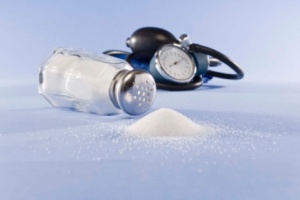
saltWith excessive sodium intake the culprit in health problems ranging from hypertension to osteoporosis and kidney disorders, health experts are in agreement that Americans should reduce the amount of salt they consume.

Just how to do that is challenging, given the abundance of salty snacks and high-sodium commercially prepared foods that are commonplace in our diets.

It turns out that teaching people how to flavor food with spices and herbs instead of salt can work quite well - according to research presented at the American Heart Association’s Epidemiology & Prevention/Nutrition, Physical Activity & Metabolism Scientific Sessions 2014.

In the first phase of the study, 55 volunteers ate a low-sodium diet for four weeks. Researchers provided all foods and calorie-containing drinks. Salt is the main source of sodium in food.

In the second phase, half of the study volunteers participated in a 20-week behavioral intervention aimed at reducing their sodium intake to 1,500 mg/day by using spices and herbs. The other half reduced sodium on their own.

More than 60 percent of the participants in the study had high blood pressure, 18 percent had diabetes and they were overweight.

The researchers found:

In the first phase, sodium intake decreased from an average 3,450 mg/day to an average 1,656 mg/day.

In the second phase, sodium intake increased in both groups. But those who received the behavioral intervention consumed an average 966 mg/day of sodium less than the group that didn’t receive the intervention.

“People in the intervention group learned problem-solving strategies, use of herbs and spices in recipes, how culture influences spice choices, how to monitor diet, overcoming the barriers to making dietary changes, how to choose and order foods when eating out and how to make low-sodium intake permanent,” said Cheryl A. M. Anderson, Ph.D., M.P.H., lead author of the study and associate professor in the Department of Family and Preventive Medicine at the University of California San Diego.

Those assigned to the behavioral intervention group had cooking demonstrations and had a chance to share how they were changing traditional recipes to remove salt and include spices. The researchers didn’t emphasize specific spices, and encouraged participants to try different things to find out what they liked most.

“Salt is abundant in the food supply and the average sodium level for Americans is very high — much higher than what is recommended for healthy living,” Anderson said. “We studied the use of a behavioral intervention where people learn how to use spices and herbs and less salt in their daily lives.”

“Given the challenges of lowering salt in the American diet, we need a public health approach aimed at making it possible for consumers to adhere to an eating pattern with less salt. This intervention using education and tasty alternatives to sodium could be one solution.”

Co-authors are Laura K. Cobb, M.S.; Edgar R. Miller, M.D., Ph.D.; Mark Woodward, Ph.D.; Alex Chang, M.D., M.S.; Morgana Mongraw-Chaffin, Ph.D.; and Lawrence J. Appel, M.D., M.P.H. Disclosures are on the abstract.

The McCormick Science Institute funded the study.

KEYWORDS: American Heart Association (AHA) health research hypertension sodium health effects

Share This Story

Looking for a reprint of this article?
From high-res PDFs to custom plaques, order your copy today!

Recommended Content

JOIN TODAY
to unlock your recommendations.

Already have an account? Sign In

  • forklift safety

    Exploring the latest technologies in forklift safety

    With more staff and more stock in warehousing now more...
    Workplace Training Strategies
    By: Josh Cramer
  • welding

    All about welder’s flash or arc eye

    A flash burn is a painful inflammation of the cornea,...
    Environmental Health and Safety
  • dangerous jobs

    The 10 most dangerous jobs in the U.S.

    On-the-job deaths have been rising — hitting the highest...
    Government Safety Regulations
    By: Benita Mehta
Manage My Account
  • eMagazine Subscriptions
  • ISHN Newsletter & Other Newsletter Alerts
  • Online Registration
  • Manage My Preferences
  • Subscription Customer Service

More Videos

Sponsored Content

Sponsored Content is a special paid section where industry companies provide high quality, objective, non-commercial content around topics of interest to the ISHN audience. All Sponsored Content is supplied by the advertising company and any opinions expressed in this article are those of the author and not necessarily reflect the views of ISHN or its parent company, BNP Media. Interested in participating in our Sponsored Content section? Contact your local rep!

close
  • man wearing the the Sundström SR200 Full Face Mask Respirator
    Sponsored byOHD

    5 Fit Testing Mistakes That Could Cost You

  • This image shows Magid AcuSpex polarized blue mirrored safety glasses.
    Sponsored byMagid Glove and Safety

    Construction PPE Guide: What Crews Need for Each Task

  • lone worker in confined space
    Sponsored byAlphasense Ltd.

    GET THE LEAD OUT of your Safety Oxygen Sensors!

Popular Stories

SpaceX 7 launch

OSHA Investigating Fatal Fall at SpaceX Starbase

dust explosion

Tennessee OSHA Issues Record $3.1M Fine After Deadly Explosion at Munitions Plant

roofing dangerous jobs Getty.jpg

OSHA Finds Florida Roofing Company Willfully Exposed Workers to Safety Hazards After Worker’s Fatal Fall

top 10 most dangerous jobs

Poll

Seasonal Readiness

With the federal heat stress prevention rule on the horizon, which area of your safety program needs the most attention?
View Results Poll Archive

Products

Surviving an OSHA Audit A Management Guide, 2nd Edition

Surviving an OSHA Audit A Management Guide, 2nd Edition

See More Products

ISHN Podcasts

Related Articles

  • salt

    A surprising way to cut back on salt

    See More
  • Want to cut your heart disease risk in half?

    See More
  • Health advocates slam Senate reluctance to cut salt in school foods

    See More

Events

View AllSubmit An Event
  • June 26, 2025

    NFPA 660: How to Use the New Consolidated Combustible Dust Standard

    ON DEMAND: Combustible dust and particulate solids can pose a serious hazard in many industries. Over the last 100 years, the National Fire Protection Association (NFPA) committees created many industry- and commodity-specific standards to mitigate those hazards.
View AllSubmit An Event

Related Directories

  • ESAB Welding & Cutting

    At ESAB, we exist to shape the future of welding and cutting. We connect fabricators with the widest range of products and PPE under our industry-leading brand portfolio with the latest technologies to solve virtually any industry challenge — then we back it up with our knowledge, experience and passion to help them be more productive than ever before. To learn more, visit esab.com or call 1-800-ESAB-123.
  • The Back School

    The Back School facilitates reducing work-related injuries; increasing employee productivity, safety, efficiency and job satisfaction; and reducing absenteeism.
×

Become a Leader in Safety Culture

Build your knowledge with ISHN, covering key safety, health and industrial hygiene news, products, and trends.

JOIN TODAY
  • RESOURCES
    • Advertise
    • Contact Us
    • Directories
    • Manufacturing Division
    • Store
    • Want More
  • SIGN UP TODAY
    • Create Account
    • eMagazine
    • Newsletters
    • Customer Service
    • Manage Preferences
  • SERVICES
    • Marketing Services
    • Reprints
    • Market Research
    • List Rental
    • Survey/Respondent Access
  • STAY CONNECTED
    • LinkedIn
    • Facebook
    • YouTube
    • X (Twitter)
  • PRIVACY
    • PRIVACY POLICY
    • TERMS & CONDITIONS
    • DO NOT SELL MY PERSONAL INFORMATION
    • PRIVACY REQUEST
    • ACCESSIBILITY

Copyright ©2026. All Rights Reserved BNP Media, Inc. and BNP Media II, LLC.

Design, CMS, Hosting & Web Development :: ePublishing