ISHN logo
search
cart
facebook twitter linkedin youtube
  • Sign In
  • Create Account
  • Sign Out
  • My Account
ISHN logo
  • NEWS
    • Today's News
    • Global Safety News
    • Government Regulations
  • PRODUCTS
    • Product Innovations
    • Featured Products
  • TOPICS
    • Environmental Health and Safety
    • Facility Safety
    • Workplace Health
    • Occupational Safety
    • PPE
    • More Topics
  • CONSTRUCTION
  • TECHNOLOGY
  • COLUMNS
    • Best Practices
    • Dave Johnson: What’s going on
    • Editorial Comments
    • Leading Safety
  • MULTIMEDIA
    • ISHN Podcast
    • Videos
    • Cold Stress Education Quiz
    • Webinars
    • White Papers
  • MORE
    • Buyer's Guide
    • Newsletters
    • Convention Companion
    • Polls
    • Events
    • ISHN Store
    • Sponsor Insights
  • EMAGAZINE
    • eMagazine
    • Archived Issues
    • Contact
    • Advertise
  • JOIN TODAY!
PPE

From NIOSH

Filtering facepiece respirators: To reuse or not to reuse?
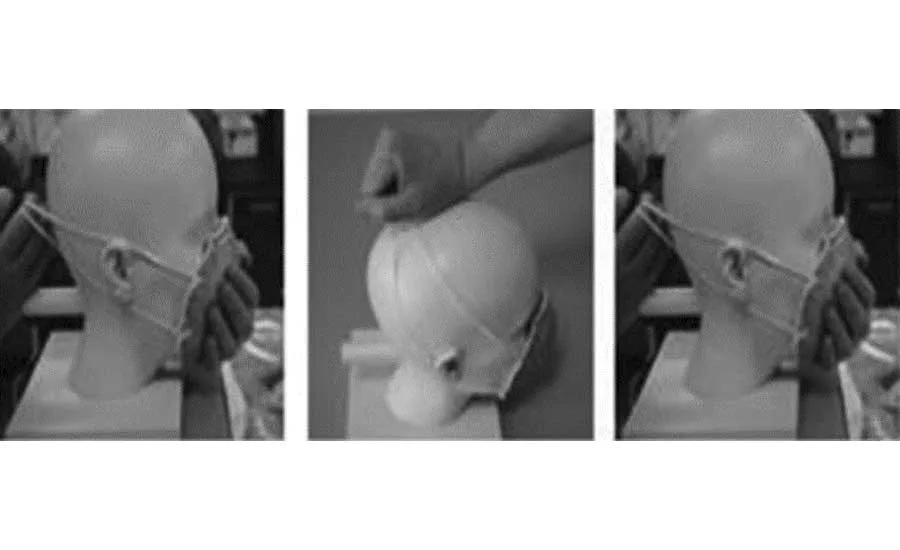
filtering facepiece
January 24, 2018

The importance of covering a cough or a sneeze to prevent spreading germs to those around us, often using the crook of an elbow, is something that most of us learned before starting school. Healthcare providers typically wear personal protective equipment, such as the filtering facepiece respirator, to protect both themselves and their patients. However, whether or not this equipment can be reused and still provide the necessary protection is a complicated issue.

(In Photo from NIOSH/NPPTL: Improper donning and doffing combined with reuse resulted in more viruses transferred to the hands during scenarios simulating the use of filtering facepiece respirator.)

During an epidemic, personal protective equipment for healthcare providers can mean the difference between containing the disease and spreading it further. Chief among this kind of equipment is the NIOSH-approved N95 filtering facepiece respirator, which covers the mouth and nose to filter out viruses and other harmful substances. In normal circumstances, filtering facepiece respirators are disposable. In the event of a severe epidemic, however, respirator demand could outpace supply, potentially requiring healthcare providers to reuse them. One problem with reusing a respirator is the viruses and other harmful substances that it captures can be transferred to the user’s hands when putting the respirator on and taking it off, or donning and doffing.

To test the likelihood of contamination, NIOSH scientists measured virus levels on the hands after donning and doffing filtering facepiece respirators in different scenarios simulating contamination with a cough or sneeze. In the laboratory, they combined bacteriophage MS2—a virus that is harmless to people—with fluorescein dye to form airborne and evaporated droplets. They then observed 13 volunteers perform three scenarios: improper doffing, proper doffing and reuse, and improper doffing and reuse of filtering facepiece respirators using a head form. For each scenario, they measured the levels of virus on the hands of the volunteers aged between 18 and 60 years old.

On average, the scientists detected about 8%–15% of the virus droplets had transferred from the respirators to the hands of the volunteers after donning and doffing the filtering facepiece respirators on and off the head form. Compared to proper doffing and reuse and improper doffing without reuse, improper doffing combined with reuse resulted in more viruses transferred. These results support the recommendations from the Centers for Disease Control and Prevention (CDC) for the proper removal of filtering facepiece respirators. In addition, they highlight the importance of discarding used filtering facepiece respirators after direct contamination by a cough or a sneeze. The study appeared in the Journal of Occupational and Environmental Hygiene.

More information is available:

  • Transfer of Bacteriophage MS2 and Fluorescein from N95 Filtering Facepiece Respirators to Hands: Measuring Fomite Potential
  • CDC Sequence for Putting on Personal Protective Equipment

Source: NIOSH

KEYWORDS: health and wellness health care workers infectious disease Respiratory Protection

Share This Story

Looking for a reprint of this article?
From high-res PDFs to custom plaques, order your copy today!

Recommended Content

JOIN TODAY
to unlock your recommendations.

Already have an account? Sign In

  • forklift safety

    Exploring the latest technologies in forklift safety

    With more staff and more stock in warehousing now more...
    Facility Safety
    By: Josh Cramer
  • welding

    All about welder’s flash or arc eye

    A flash burn is a painful inflammation of the cornea,...
    Environmental Health and Safety
  • dangerous jobs

    The 10 most dangerous jobs in the U.S.

    On-the-job deaths have been rising — hitting the highest...
    Construction Industry Safety and Health
    By: Benita Mehta
Manage My Account
  • eMagazine Subscriptions
  • ISHN Newsletter & Other Newsletter Alerts
  • Online Registration
  • Manage My Preferences
  • Subscription Customer Service

More Videos

Sponsored Content

Sponsored Content is a special paid section where industry companies provide high quality, objective, non-commercial content around topics of interest to the ISHN audience. All Sponsored Content is supplied by the advertising company and any opinions expressed in this article are those of the author and not necessarily reflect the views of ISHN or its parent company, BNP Media. Interested in participating in our Sponsored Content section? Contact your local rep!

close
  • man wearing the the Sundström SR200 Full Face Mask Respirator
    Sponsored byOHD

    5 Fit Testing Mistakes That Could Cost You

  • This image shows Magid AcuSpex polarized blue mirrored safety glasses.
    Sponsored byMagid Glove and Safety

    Construction PPE Guide: What Crews Need for Each Task

  • lone worker in confined space
    Sponsored byAlphasense Ltd.

    GET THE LEAD OUT of your Safety Oxygen Sensors!

Popular Stories

SpaceX 7 launch

OSHA Investigating Fatal Fall at SpaceX Starbase

dust explosion

Tennessee OSHA Issues Record $3.1M Fine After Deadly Explosion at Munitions Plant

Worker Impairment

How to Tell When a Co-Worker is Impaired? A Safety Pro’s Challenge

top 10 most dangerous jobs

Poll

Seasonal Readiness

With the federal heat stress prevention rule on the horizon, which area of your safety program needs the most attention?
View Results Poll Archive

Products

Surviving an OSHA Audit A Management Guide, 2nd Edition

Surviving an OSHA Audit A Management Guide, 2nd Edition

See More Products

ISHN Podcasts

Related Articles

  • Tabs aid doffing of filtering facepiece respirators

    See More
  • New NIOSH study supports OSHA annual fit testing requirements for filtering facepiece respirators

    See More
  • 3M Personal Safety Division donates nearly 1 million respirators to help fight Ebola Virus

    See More

Related Products

See More Products
  • 1119906652.webp

    Alive and Well at the End of the Day: The Supervisor's Guide to Managing Safety in Operations, 2E

See More Products

Related Directories

  • Scientific Dust Collectors

    Scientific Dust Collectors (SDC) began in 1981 when our first patent for improving filter cleaning was issued. Our patented UniFlow Supersonic Nozzle -based cleaning system is where it all starts. Combined with our High Side Inlets, Wide Filter Spacing, and Inlet Baffling, we are able to guarantee performance, efficiency, and filter life. ASHRAE 199 Test Lab on site.
×

Become a Leader in Safety Culture

Build your knowledge with ISHN, covering key safety, health and industrial hygiene news, products, and trends.

JOIN TODAY
  • RESOURCES
    • Advertise
    • Contact Us
    • Directories
    • Manufacturing Division
    • Store
    • Want More
  • SIGN UP TODAY
    • Create Account
    • eMagazine
    • Newsletters
    • Customer Service
    • Manage Preferences
  • SERVICES
    • Marketing Services
    • Reprints
    • Market Research
    • List Rental
    • Survey/Respondent Access
  • STAY CONNECTED
    • LinkedIn
    • Facebook
    • YouTube
    • X (Twitter)
  • PRIVACY
    • PRIVACY POLICY
    • TERMS & CONDITIONS
    • DO NOT SELL MY PERSONAL INFORMATION
    • PRIVACY REQUEST
    • ACCESSIBILITY

Copyright ©2026. All Rights Reserved BNP Media, Inc. and BNP Media II, LLC.

Design, CMS, Hosting & Web Development :: ePublishing