ISHN logo
search
cart
facebook twitter linkedin youtube
  • Sign In
  • Create Account
  • Sign Out
  • My Account
ISHN logo
  • NEWS
    • Today's News
    • Global Safety News
    • Government Regulations
  • PRODUCTS
    • Product Innovations
    • Featured Products
  • TOPICS
    • Environmental Health and Safety
    • Facility Safety
    • Workplace Health
    • Occupational Safety
    • PPE
    • More Topics
  • CONSTRUCTION
  • TECHNOLOGY
  • COLUMNS
    • Best Practices
    • Dave Johnson: What’s going on
    • Editorial Comments
    • Leading Safety
  • MULTIMEDIA
    • ISHN Podcast
    • Videos
    • Cold Stress Education Quiz
    • Webinars
    • White Papers
  • MORE
    • Buyer's Guide
    • Newsletters
    • Convention Companion
    • Polls
    • Events
    • ISHN Store
    • Sponsor Insights
  • EMAGAZINE
    • eMagazine
    • Archived Issues
    • Contact
    • Advertise
  • JOIN TODAY!
Workplace Health

Food safety at the farmers market
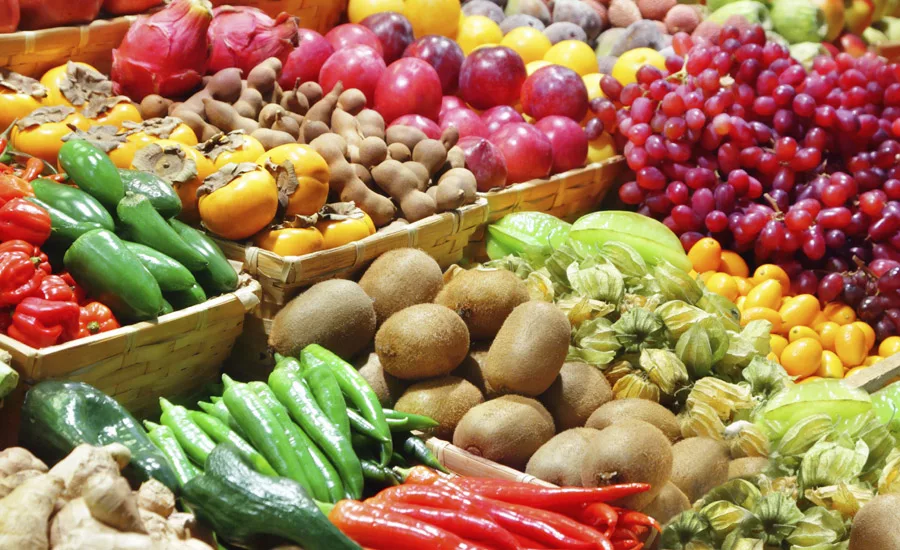
produce
May 7, 2018

The month of May means it’s nearly time for America’s favorite food lovers’ tradition: visiting your local farmers market. While the romaine lettuce implicated in the recent E coli outbreak was sold at supermarkets, food safety advocates are reminding consumers that produce from farmers markets may also harbor pathogens such as E. coli, Listeria, and Salmonella, which are found naturally in soil as well as in manure.

Which basically means, everything needs to be washed.

Stop Foodborne Illness, a national public health organization whose mission is preventing illness and death from foodborne pathogens, has tips for both vendors and customers at farmers markets. Serious cases of foodborne illness can have severe and long-lasting health consequences, particularly on babies, young children, pregnant women, older adults, and people with compromised immune systems.

“It’s a good idea to know the signs of safe food handling when you visit each market vendor,” said Deirdre Schlunegger, CEO of Stop Foodborne Illness. “Knowing your favorite farmers and vendors are using safe food practices, definitely boosts one’s confidence in their purchases!”

Most states have passed legislation regulating farmers’ markets. For example, in Illinois, most home-canned foods other than jams, jellies and preserves cannot be sold at the farmers market. Typically, farmers markets must be inspected by local health departments who make sure each market meets food safety standards, and most vendors, including those from so-called “cottage industries,” must be licensed to sell their products at farmers markets.

What to look for when it comes to safe food handling

The condition of the vendors’ booths and their products can tell you a lot about their safe food practices. Here are some things to look for:

  • Clean hands. Dirty fingernails or a filthy apron aren’t appetizing. For vendors serving food – are they wearing gloves, and is their hair covered?
  • A certification notice. Some vendors will display certificates that show they have been trained in food safety. These are good indicators that their foods are handled properly.
  • The carton is clean. When buying eggs, look to see if the carton is clean – inside and out, and make sure the eggs are clean and not cracked. Reused egg cartons are fine, if clean.
  • Cold foods are cold. Meats, cheeses and other dairy, and eggs should be kept cold. Salads and cold sandwiches should feel like they’re straight from the fridge.
  • Meat, poultry and fish are cooked to a safe temperature. The only way to determine a safe temperature for meat, poultry or fish, is by using a cooking thermometer. If you’re not sure, ask.
  • Hot foods are hot. The “Danger Zone” for food (where bacteria multiply quickly) is between 40°F and 140°F. Cooked foods like soups and burgers should be piping hot.
  • Samples are being safely handled. Vendors using gloves, tongs, tissues, or other utensils are doing it right! (They shouldn’t be using bare hands.) Are knives, serving utensils, dishes, and service surfaces kept clean? If not, take a pass on these foods.
  • Ciders, juices, and dairy products are pasteurized. Since unpasteurized foods are serious sources of foodborne pathogens, shoppers should ask when products, including the samples, are not clearly labeled.

On hot days …

  • Be mindful of jars open for sampling —sauces, salsas, jams, pickles and so on —they should not be out for more than two hours at outside temperature. One hour, if it’s over 90°F. Many markets have started offering hand-washing stations with hand sanitizer. We encourage you to use them.
  • If you’re purchasing perishables like dairy, eggs, or meat bring a cooler or insulated bag with ice to the market, so your newly purchased products can be kept cold for the ride home in the hot car.
  • Make the farmers market your final stop before heading home. Your fresh veggies and fruit, and other perishable foods, won’t have to sit long in a hot car, and will make it to the refrigerator that much more quickly.

About Stop Foodborne Illness

Stop Foodborne Illness is a national nonprofit, public health organization dedicated to preventing illness and death from foodborne pathogens by promoting sound food safety policy and best practices, building public awareness, and assisting those impacted by foodborne illness. For more food safety tips please visit www.Stopfoodborneillness.org/awareness/. If you think you have been sickened from food, contact your local health professional. You may subscribe to receive Stop Foodborne Illness e-Alerts and eNews here: www.Stopfoodborneillness.org/take-action/sign-up-for-e-alerts/.

Resources

Download Quick Facts: At the Farmers Market.

For a list of farmers markets in your area click here: www.ams.usda.gov/local-food-directories/farmersmarkets

If you’re interested in policies and regulations affecting farmers markets in your state, contact the department of health. For more information: www.stopfoodborneillness.org/awareness/food-safety-by-state/

The Illinois Farmers Market Food Safety Guide can be downloaded in PDF format here.


KEYWORDS: illness

Share This Story

Looking for a reprint of this article?
From high-res PDFs to custom plaques, order your copy today!

Recommended Content

JOIN TODAY
to unlock your recommendations.

Already have an account? Sign In

  • forklift safety

    Exploring the latest technologies in forklift safety

    With more staff and more stock in warehousing now more...
    Facility Safety
    By: Josh Cramer
  • welding

    All about welder’s flash or arc eye

    A flash burn is a painful inflammation of the cornea,...
    Environmental Health and Safety
  • dangerous jobs

    The 10 most dangerous jobs in the U.S.

    On-the-job deaths have been rising — hitting the highest...
    Construction Industry Safety and Health
    By: Benita Mehta
Manage My Account
  • eMagazine Subscriptions
  • ISHN Newsletter & Other Newsletter Alerts
  • Online Registration
  • Manage My Preferences
  • Subscription Customer Service

More Videos

Sponsored Content

Sponsored Content is a special paid section where industry companies provide high quality, objective, non-commercial content around topics of interest to the ISHN audience. All Sponsored Content is supplied by the advertising company and any opinions expressed in this article are those of the author and not necessarily reflect the views of ISHN or its parent company, BNP Media. Interested in participating in our Sponsored Content section? Contact your local rep!

close
  • man wearing the the Sundström SR200 Full Face Mask Respirator
    Sponsored byOHD

    5 Fit Testing Mistakes That Could Cost You

  • This image shows Magid AcuSpex polarized blue mirrored safety glasses.
    Sponsored byMagid Glove and Safety

    Construction PPE Guide: What Crews Need for Each Task

  • lone worker in confined space
    Sponsored byAlphasense Ltd.

    GET THE LEAD OUT of your Safety Oxygen Sensors!

Popular Stories

SpaceX 7 launch

OSHA Investigating Fatal Fall at SpaceX Starbase

Automated loading dock equipment

After March 2026 Rivian Death, Safety Managers Reassess Loading Dock Systems Under OSHA's Warehouse Emphasis Program

psychology in the workplace

Most Workplaces Measure Psychological Safety, Ignoring Psychosocial Risks

top 10 most dangerous jobs

Poll

Seasonal Readiness

With the federal heat stress prevention rule on the horizon, which area of your safety program needs the most attention?
View Results Poll Archive

Products

Surviving an OSHA Audit A Management Guide, 2nd Edition

Surviving an OSHA Audit A Management Guide, 2nd Edition

See More Products

ISHN Podcasts

Related Articles

  • Halloween

    Avoid scary food safety hazards at Halloween

    See More
  • caution sign

    Hazard Communication Keeps Safety at the Forefront

    See More
  • Health and safety at the crossroads: EU-OSHA’s annual report 2012

    See More

Related Products

See More Products
  • 1119906652.webp

    Alive and Well at the End of the Day: The Supervisor's Guide to Managing Safety in Operations, 2E

  • 1119772133.jpg

    Delivering Safety Excellence: Engagement Culture at Every Level

  • fearless world.jpg

    The Fearless World of Professional Safety in the 21st Century

See More Products

Related Directories

  • MSA - The Safety Co.

    WE KNOW WHAT'S AT STAKE. Unpredictable work environments are often part of the job. That's why it's critically important to have the right safety equipment at the moment it matters most. MSA's complete lines of safety solutions help protect those workers at the heart of your operation.
×

Become a Leader in Safety Culture

Build your knowledge with ISHN, covering key safety, health and industrial hygiene news, products, and trends.

JOIN TODAY
  • RESOURCES
    • Advertise
    • Contact Us
    • Directories
    • Manufacturing Division
    • Store
    • Want More
  • SIGN UP TODAY
    • Create Account
    • eMagazine
    • Newsletters
    • Customer Service
    • Manage Preferences
  • SERVICES
    • Marketing Services
    • Reprints
    • Market Research
    • List Rental
    • Survey/Respondent Access
  • STAY CONNECTED
    • LinkedIn
    • Facebook
    • YouTube
    • X (Twitter)
  • PRIVACY
    • PRIVACY POLICY
    • TERMS & CONDITIONS
    • DO NOT SELL MY PERSONAL INFORMATION
    • PRIVACY REQUEST
    • ACCESSIBILITY

Copyright ©2026. All Rights Reserved BNP Media, Inc. and BNP Media II, LLC.

Design, CMS, Hosting & Web Development :: ePublishing