ISHN logo
search
cart
facebook twitter linkedin youtube
  • Sign In
  • Create Account
  • Sign Out
  • My Account
ISHN logo
  • NEWS
    • Today's News
    • Global Safety News
    • Government Regulations
  • PRODUCTS
    • Product Innovations
    • Featured Products
  • TOPICS
    • Environmental Health and Safety
    • Facility Safety
    • Workplace Health
    • Occupational Safety
    • PPE
    • More Topics
  • CONSTRUCTION
  • TECHNOLOGY
  • COLUMNS
    • Best Practices
    • Dave Johnson: What’s going on
    • Editorial Comments
    • Leading Safety
  • MULTIMEDIA
    • ISHN Podcast
    • Videos
    • Cold Stress Education Quiz
    • Webinars
    • White Papers
  • MORE
    • Buyer's Guide
    • Newsletters
    • Convention Companion
    • Polls
    • Events
    • ISHN Store
    • Sponsor Insights
  • EMAGAZINE
    • eMagazine
    • Archived Issues
    • Contact
    • Advertise
  • JOIN TODAY!
Occupational SafetyEnvironmental Health and SafetyGlobal Safety NewsWorkplace Health

Enormous gaps IDd in the recognition of occupational cancers in Europe

January 2, 2019

A new report by EUROGIP presents an analysis of the extent to which occupational cancers are recognised in nine European countries: Austria, Belgium, Denmark, Finland, France, Germany, Italy, Sweden and Switzerland. It also looks at the schemes for identifying occupational cancers, especially via monitoring the health of people exposed to carcinogens in the course of their working careers.

The report looks at how the data has developed between 2005 and 2016. From an overall perspective, little progress has been made. Occupational cancers remain greatly under-recognised, weighing heavily on all prevention efforts. Austria and Germany are the only two countries where any real progress can be seen over this 12-year period. In the case of Germany, the progress is mainly in the field of skin cancers, which account for 39% of occupational cancers recognised in 2016. However, these do not feature at all in the figures for Austria and Sweden and only to a very low degree in those of France and Switzerland. In certain countries, the number of cancer cases recognised as occupational diseases has even gone down (Italy and Sweden), despite better knowledge of the links between cancer and occupational exposure.

 Looking at the data from an overall perspective, we see three distinct groups of countries. In two countries, the number of recognised cases of occupational cancers per 100,000 insured persons is higher than 10 (Germany: 15.1 and France: 11.39). In a further two countries, the number is between 5 and 10 (Denmark and Italy), while in the remaining five it is below 5. The most dramatic situation is to be found in Sweden, where the number is just 0.5 or, in relation to the whole Swedish working population, just 27 cases in 2016.

Although in the majority of European countries possibilities exist to have occupational diseases recognised that are not on a closed list, this procedure is slowly becoming an impossible task in the case of cancers. With less than 1% of recognised cancers not featured in closed lists, there is a dire need for a major revision of the existing lists.

The majority of occupational cancers are not even reported. In the view of ETUI researcher Laurent Vogel, "restrictive recognition practices act as a major deterrent, discouraging the majority of victims from embarking on a complicated administrative and judicial battle with an uncertain outcome. The situation is compounded by social inequalities, with women, workers in precarious employment and people with problems accessing the legal system the ones most often having to renounce the compensation offered by occupational disease insurance systems. One major shortcoming of the report is that no distinction is made between men and women, despite many other studies highlighting the fact that women are more likely than men not to have their occupational cancers recognised. Such discrimination is tantamount to denial, with the word “woman” only appearing once in the report – in parentheses, stating that housewives don't get occupational cancer.

The report also reviews the health-monitoring schemes available after the work associated with the exposure has ended. Currently, no country in Europe does any systematic monitoring. Where monitoring does exist, it is only for certain carcinogens and for certain types of cancer. Germany is the country with the widest-based system, with schemes covering nine different exposure categories. In Denmark, data is systematically exchanged between the cancer registry and the occupational disease compensation body, for instance ensuring better recognition of mesothelioma (one of the cancers caused by asbestos). By contrast, for cancers of the nasal cavity (related to wood dust), the vast majority of files from the cancer register are subsequently rejected by the compensation organisation. In France, a programme for identifying work-related bladder cancers has produced significant results, with 231 cases recognised in 2016, against just 31 in 2007.

EUROGIP is a French organisation tasked with investigating issues relating to insurance and prevention of accidents at work and occupational diseases at European and international levels. It was set up in 1991 by the French health insurance fund CNAM and the French National Research and Safety Institute for the Prevention of Occupational Accidents and Diseases (INRS).

Read more:

The Eurogip report

KEYWORDS: illness occupational diseases

Share This Story

Looking for a reprint of this article?
From high-res PDFs to custom plaques, order your copy today!

Recommended Content

JOIN TODAY
to unlock your recommendations.

Already have an account? Sign In

  • forklift safety

    Exploring the latest technologies in forklift safety

    With more staff and more stock in warehousing now more...
    Workplace Training Strategies
    By: Josh Cramer
  • welding

    All about welder’s flash or arc eye

    A flash burn is a painful inflammation of the cornea,...
    Environmental Health and Safety
  • dangerous jobs

    The 10 most dangerous jobs in the U.S.

    On-the-job deaths have been rising — hitting the highest...
    Government Safety Regulations
    By: Benita Mehta
Manage My Account
  • eMagazine Subscriptions
  • ISHN Newsletter & Other Newsletter Alerts
  • Online Registration
  • Manage My Preferences
  • Subscription Customer Service

More Videos

Sponsored Content

Sponsored Content is a special paid section where industry companies provide high quality, objective, non-commercial content around topics of interest to the ISHN audience. All Sponsored Content is supplied by the advertising company and any opinions expressed in this article are those of the author and not necessarily reflect the views of ISHN or its parent company, BNP Media. Interested in participating in our Sponsored Content section? Contact your local rep!

close
  • man wearing the the Sundström SR200 Full Face Mask Respirator
    Sponsored byOHD

    5 Fit Testing Mistakes That Could Cost You

  • This image shows Magid AcuSpex polarized blue mirrored safety glasses.
    Sponsored byMagid Glove and Safety

    Construction PPE Guide: What Crews Need for Each Task

  • lone worker in confined space
    Sponsored byAlphasense Ltd.

    GET THE LEAD OUT of your Safety Oxygen Sensors!

Popular Stories

SpaceX 7 launch

OSHA Investigating Fatal Fall at SpaceX Starbase

dust explosion

Tennessee OSHA Issues Record $3.1M Fine After Deadly Explosion at Munitions Plant

Worker Impairment

How to Tell When a Co-Worker is Impaired? A Safety Pro’s Challenge

top 10 most dangerous jobs

Poll

Seasonal Readiness

With the federal heat stress prevention rule on the horizon, which area of your safety program needs the most attention?
View Results Poll Archive

Products

Surviving an OSHA Audit A Management Guide, 2nd Edition

Surviving an OSHA Audit A Management Guide, 2nd Edition

See More Products

ISHN Podcasts

Related Articles

  • The high cost of occupational cancers in Europe

    See More
  • In EU, women with occupational cancers get overlooked

    See More
  • New poll reveals most common cause of work-related stress in Europe

    See More

Related Products

See More Products
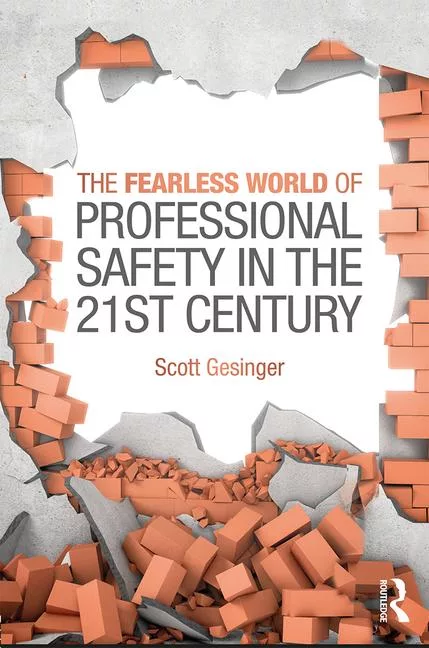
  • fearless world.jpg

    The Fearless World of Professional Safety in the 21st Century

  • 1119906652.webp

    Alive and Well at the End of the Day: The Supervisor's Guide to Managing Safety in Operations, 2E

See More Products
×

Become a Leader in Safety Culture

Build your knowledge with ISHN, covering key safety, health and industrial hygiene news, products, and trends.

JOIN TODAY
  • RESOURCES
    • Advertise
    • Contact Us
    • Directories
    • Manufacturing Division
    • Store
    • Want More
  • SIGN UP TODAY
    • Create Account
    • eMagazine
    • Newsletters
    • Customer Service
    • Manage Preferences
  • SERVICES
    • Marketing Services
    • Reprints
    • Market Research
    • List Rental
    • Survey/Respondent Access
  • STAY CONNECTED
    • LinkedIn
    • Facebook
    • YouTube
    • X (Twitter)
  • PRIVACY
    • PRIVACY POLICY
    • TERMS & CONDITIONS
    • DO NOT SELL MY PERSONAL INFORMATION
    • PRIVACY REQUEST
    • ACCESSIBILITY

Copyright ©2026. All Rights Reserved BNP Media, Inc. and BNP Media II, LLC.

Design, CMS, Hosting & Web Development :: ePublishing