Good health boosts fitness, morale & productivity
Preventive, proactive processes reduce costs & increase safety & performance
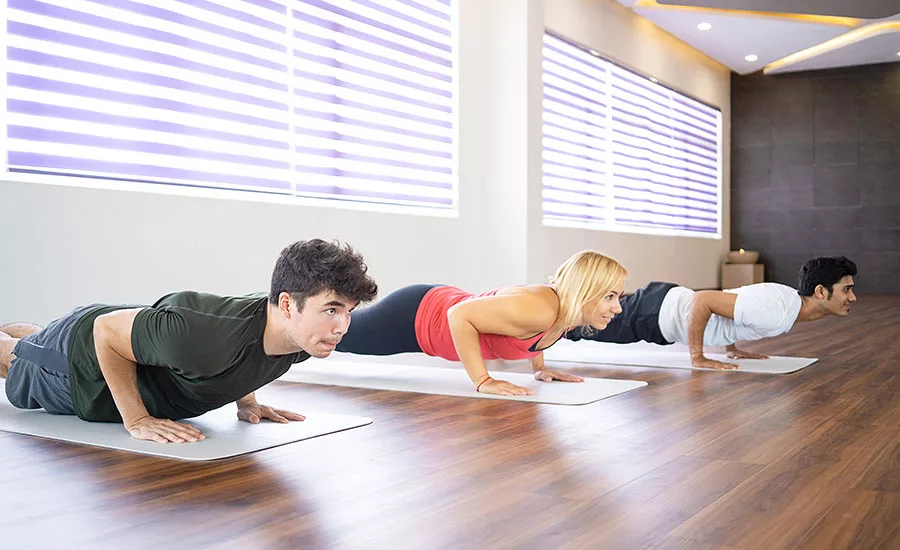
Wellness is defined as “the condition of good physical, mental and emotional health, especially when maintained by an appropriate diet, exercise, and other lifestyle modifications.”1 Many companies are turning to preventative programs to establish and encourage workplace wellness and reduce the amount of workplace musculoskeletal injuries.
Promoting health and wellness in the workplace leads to increased productivity, fewer injuries, reduced costs, emphasizes the importance of wellness education and improves employee morale and confidence in making informed decisions regarding employee health.
Chronic disease
Musculoskeletal disorders (MSD) are defined as an injury or discomfort of the musculoskeletal system, includes joints, muscles, tendons, ligaments and nerves. MSDs can arise due to sudden exertions, repetitive motions, repeated exposure or acute traumatic events. MSDs have become increasingly prevalent in the workforce. Companies have begun to proactively combat the rising occurrence of the disorders and chronic disease with onsite trainer models.
Many chronic diseases such as diabetes (Type 2) and cardiovascular disease are directly influenced by lifestyle choices and habits. This alone should emphasize the importance of wellness. Education is crucial in making informed decisions regarding an individual’s health and wellbeing.
Type 2 diabetes can be controlled, reduced or eliminated through diet, exercise and maintaining healthy weight. According to the CDC, 90-95 percent of diabetes in the United States is vastly preventable. Each of these associated risks and conditions drastically affect workplace safety and increase the risk for injury. Diabetics are less likely to feel extreme temperatures, pain and experience decreased circulation resulting in delaying healing process. This places the individual at high risk for injury on the job and off.
Side effects and risks of diabetes include but are not limited to:
- Heart disease
- Hypertension
- Increased risk of stroke
- Diabetic retinopathy (vision loss)
- Foot complications
- Impaired sensory
- Nervous system dysfunction
- Impaired circulation and skin disorders
A BMI (Body Mass Index) of 25 or greater places an individual in a high-risk population for pre-diabetes. Studies have shown that as little as 30 minutes of moderate exercise each day can boost metabolism, aiding in fat loss and promoting cardiovascular fitness to reduce the risk of diabetes.
Cardiovascular disease & serious medical complications
How can wellness programs influence safety in the workplace? Wellness programs are centered around promoting a health and safety culture within the workplace using ergonomic assessments, physical demand analysis, stretch programs and educational tools to identify potential risk factors and hazards. Ergonomic assessments and physical demand analysis provide insight to potential risks of the occupation and allow for recommendations and accommodations to equipment and tools used to increase safety and reduce risk of injury. Return-to-work programs are designed to ensure employees are physically capable of performing the required demands of their occupation.
The focus of these programs has shifted from treatment of injuries to a proactive approach of preventing and reducing injury occurrence. This “proactive, not reactive” approach, utilizing the onsite trainer model, allows employees to access a skilled and trained professional, athletic trainer or physical therapist assistant who specialize in prevention, assessment and management of injuries and identification of potential risks and hazards.
This model promotes keeping employees healthy, well and with less days away from the job due to injury. Employers benefit through decreasing health care costs and expenditures, reduced recordables and lost time, increased productivity, lowered employee turnover, improved employee morale and occupational satisfaction.
The model is designed to have a trained professional onsite to allow ease of access to employees. Individuals who participate in these programs have access to a vast array of information, treatments and tools to boost employee’s wellness on and off the job. The skilled professionals conduct orthopedic assessments, implement first aid care abiding by OSHA standards, perform ergonomic assessments, physical demand analysis, return-to-work training, as well as provide health and wellness education regarding nutrition and exercise.
Clinicians’ role
Onsite clinicians create a positive impact on employee work environment by reducing the aches, discomforts and limiting the amount of injuries. Nutrition and exercise education can provide the necessary tools to combat declining health as result of poor diet and inadequate physical activity. The clinicians can provide insight on possible risk factors co-morbidities and the potential hazards if left unaddressed. In turn, employee morale is boosted as employees feel the employer is invested in their overall health and wellbeing. Onsite models are a great tool used to assess and expedite processes when an injury (recordable) has occurred. Trainers can identify the severity of the injury and request a referral to the appropriate healthcare professional for a timely intervention, preventing the injury from progressing to a more serious health complication.
Wellness programs are strategically designed to give employees tools, support, confidence and education to develop and maintain healthy lifestyles. Living a healthy and well lifestyle can boost positive moods and self-esteem, allowing for a more productive day. Preventative program methods combat the escalading chronic diseases, musculoskeletal dysfunctions and aid in stress management to improve employee’s wellbeing in both the workplace and home. After all, an informed healthy workforce is a safe workforce.
Reference
- The American Heritage® Stedman's Medical Dictionary, Copyright © 2002, 2001, 1995 by Houghton Mifflin Company. Published by Houghton Mifflin Company
Looking for a reprint of this article?
From high-res PDFs to custom plaques, order your copy today!