ISHN logo
search
cart
facebook twitter linkedin youtube
  • Sign In
  • Create Account
  • Sign Out
  • My Account
ISHN logo
  • NEWS
    • Today's News
    • Global Safety News
    • Government Regulations
  • PRODUCTS
    • Product Innovations
    • Featured Products
  • TOPICS
    • Environmental Health and Safety
    • Facility Safety
    • Workplace Health
    • Occupational Safety
    • PPE
    • More Topics
  • CONSTRUCTION
  • TECHNOLOGY
  • COLUMNS
    • Best Practices
    • Dave Johnson: What’s going on
    • Editorial Comments
    • Leading Safety
  • MULTIMEDIA
    • ISHN Podcast
    • Videos
    • Cold Stress Education Quiz
    • Webinars
    • White Papers
  • MORE
    • Buyer's Guide
    • Newsletters
    • Convention Companion
    • Polls
    • Events
    • ISHN Store
    • Sponsor Insights
  • EMAGAZINE
    • eMagazine
    • Archived Issues
    • Contact
    • Advertise
  • JOIN TODAY!
Government Safety RegulationsOccupational SafetyPPEWorkplace Safety CultureRisk ManagementOil and Gas Industry Safety & Health

Damages, injuries, expenses following a combustible dust incident

Be aware of the many losses that can pile up
By Timothy Heneks, PE
Hi-Visibility garments continue to evolve
March 12, 2019

When considering the hazards associated with combustible dust, most organizational leaders are aware of the direct impact that a dust explosion could have on their facility. Even when it is understood that hazards exist within a system and that protection measures have been recommended, a flawed cost-benefit analysis could result in no action being taken.

This is especially true when the recommended action involves the retrofit of engineered protection systems (i.e. explosion vents) onto existing processing equipment such as a dust collector, dryer or bucket elevator. In some cases, it is possible the price for protection could exceed the original cost of the protected equipment itself. The facility is probably even insured for damages caused by such a scenario.

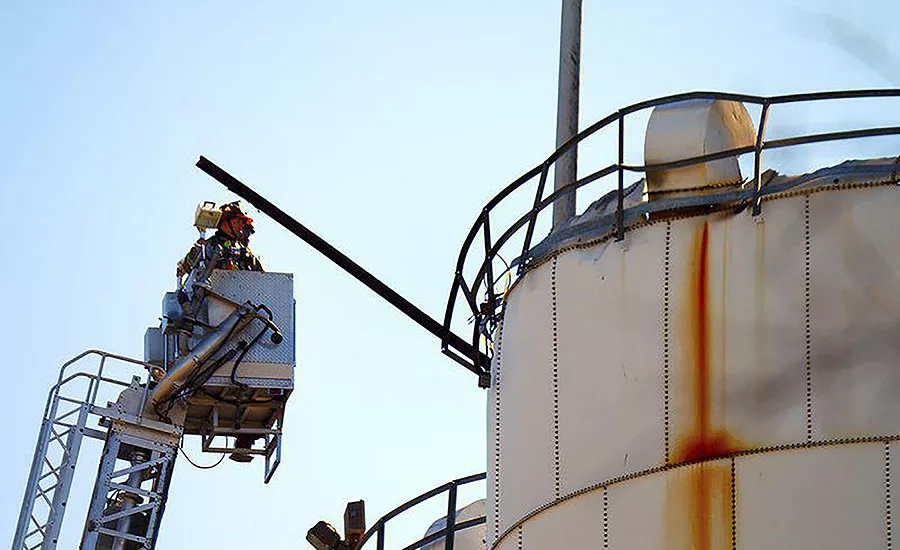
But what is often not accounted for in such a cost-benefit analysis is what comes after an incident. The days and weeks following a dust explosion or flash fire are often riddled with unforeseen obstacles and losses which can accumulate into huge expenses stemming from the original incident.

1. Equipment & Facility Damage

This is often the most obvious and accounted for loss as combustible dust hazards are addressed. The cost of your spray dryer or packaging building is a tangible and concrete asset that can be easily identified when determining the risk associated with a fire or explosion. But accounting only for the equipment or the building itself will not capture the full picture when it comes to total costs following an incident.

2. Primary Accident Injuries/Fatalities

Across industries, the stated priority for almost all manufacturing operations is SAFETY FIRST. The risk associated with a dust explosion is literally a matter of life and death for the employees (and contractors) that work in the processing area on a daily basis. Injuries that occur during the event can include thermal burns when exposed to a fireball; head/neck injuries due to falling debris or falls from height; and broken bones or sprains sustained while evacuating. When aggravating circumstances are introduced (i.e. accumulations of combustible dust or lack of proper evacuation plans), these injuries will become more severe and occur in higher frequency.

3. Lost Production

Following any accident at your facility, the most substantial and lasting consequence is the interruption to production. Both unscheduled downtime and diversion of operations resources to assist in cleanup/repair can prevent your facility from putting out product for days and even weeks following a dust explosion.

4. Product Quality

Lost product is bad enough in the wake of a combustible dust fire or explosion, but then you learn that the product currently in your processing equipment could be off-spec! Even product found in storage silos in the warehouse could be compromised due to the high temperatures, combustion products, and water (or other suppressant) used to put out the flames.

Following a combustible dust incident, it is possible for the contents of the entire process to be lost due to quality concerns (especially if the product is pharmaceutical or food grade). The risk of pushing through contaminated or off-spec product will often dictate that the current batch be scrapped or sold as off-grade.

5. Increased Contractor Work On-Site

While the operations and quality teams attempt to sort out how to provide the required product in the interim, the maintenance staff is charged with getting the process back up and running as quickly as possible. In almost all cases, this means brining in outside contractors to perform repairs and change out consumable parts that were impacted during the dust explosion.

For small events, it is common that filter bags, gaskets and belts are replaced; valves are re-built; and other damage is repaired. Larger events may require contractor crews to re-build full systems or sections of the plant before normal operations can resume. This increase in on-site activity introduces new risk to your operation on top of the direct labor costs.

6. Secondary Injuries During Repairs

It should not come as a surprise that an increase in non-routine repair work and presence of contractors would result in more injuries on-site. Try as we might, there is just no avoiding the probability that more work begets more injuries.

Although it might not be accounted for or related back directly to the initial event, these injuries resulting from efforts to get a process back on line following a dust explosion are costly. Just think about the elevated work, hot work, confined space entry, electrical work, and other hazardous activities are required to start a process up following a combustible dust event. Would these activities be required if not for the initial event?

In summary

The damages caused by a fire or explosion reach far beyond the cost to repair the equipment or building which is affected, and often impact a facility in ways that insurance is not able to fully mitigate. For these reasons, the real losses from an industrial accident can be difficult to accurately depict in a cost-benefit analysis model.Specific actions, such as completing a Dust Hazard Analysis (DHA), ensuring adequate dust collection, the use of properly rated vacuum cleaners on combustible dust, and implementing explosion protection systems can help to reduce the impact of an event at your facility. Taking responsible steps toward combustible dust safety will ensure that your facility remains safe, your people remain focused, and your process keeps running.

KEYWORDS: Combustible dust dust collection

Share This Story

Looking for a reprint of this article?
From high-res PDFs to custom plaques, order your copy today!

Timothy Heneks is the Director of Engineering Services at Dustcon Solutions Inc. Dustcon focuses on helping clients identify and address combustible dust hazards by offering services such as Dust Hazard Analysis (DHA), Combustible Dust Testing, and Combustible Dust Training.

For more information, visit www.dustconsolutions.com.

Recommended Content

JOIN TODAY
to unlock your recommendations.

Already have an account? Sign In

  • forklift safety

    Exploring the latest technologies in forklift safety

    With more staff and more stock in warehousing now more...
    Workplace Training Strategies
    By: Josh Cramer
  • welding

    All about welder’s flash or arc eye

    A flash burn is a painful inflammation of the cornea,...
    Environmental Health and Safety
  • dangerous jobs

    The 10 most dangerous jobs in the U.S.

    On-the-job deaths have been rising — hitting the highest...
    Transportation Safety
    By: Benita Mehta
Manage My Account
  • eMagazine Subscriptions
  • ISHN Newsletter & Other Newsletter Alerts
  • Online Registration
  • Manage My Preferences
  • Subscription Customer Service

More Videos

Sponsored Content

Sponsored Content is a special paid section where industry companies provide high quality, objective, non-commercial content around topics of interest to the ISHN audience. All Sponsored Content is supplied by the advertising company and any opinions expressed in this article are those of the author and not necessarily reflect the views of ISHN or its parent company, BNP Media. Interested in participating in our Sponsored Content section? Contact your local rep!

close
  • man wearing the the Sundström SR200 Full Face Mask Respirator
    Sponsored byOHD

    5 Fit Testing Mistakes That Could Cost You

  • This image shows Magid AcuSpex polarized blue mirrored safety glasses.
    Sponsored byMagid Glove and Safety

    Construction PPE Guide: What Crews Need for Each Task

  • lone worker in confined space
    Sponsored byAlphasense Ltd.

    GET THE LEAD OUT of your Safety Oxygen Sensors!

Popular Stories

SpaceX 7 launch

OSHA Investigating Fatal Fall at SpaceX Starbase

Worker Impairment

How to Tell When a Co-Worker is Impaired? A Safety Pro’s Challenge

psychology in the workplace

Most Workplaces Measure Psychological Safety, Ignoring Psychosocial Risks

top 10 most dangerous jobs

Poll

Seasonal Readiness

With the federal heat stress prevention rule on the horizon, which area of your safety program needs the most attention?
View Results Poll Archive

Products

Surviving an OSHA Audit A Management Guide, 2nd Edition

Surviving an OSHA Audit A Management Guide, 2nd Edition

See More Products

ISHN Podcasts

Related Articles

  • Long road to a combustible dust standard (1/27)

    See More
  • OSHA takes first step to propose a combustible dust standard (10/21)

    See More
  • Five injured by combustible dust flash fire, five companies cited by OSHA (4/11)

    See More

Related Products

See More Products
  • 1119010160.jpg

    Guidelines for Combustible Dust Hazard Analysis

  • 9781138072824.jpg

    Accident/Incident Prevention Techniques, Second Edition

  • 9781138749573.jpg

    Occupational Health and Safety Management: A Practical Approach, Third Edition

See More Products

Related Directories

  • Scientific Dust Collectors

    Scientific Dust Collectors (SDC) began in 1981 when our first patent for improving filter cleaning was issued. Our patented UniFlow Supersonic Nozzle -based cleaning system is where it all starts. Combined with our High Side Inlets, Wide Filter Spacing, and Inlet Baffling, we are able to guarantee performance, efficiency, and filter life. ASHRAE 199 Test Lab on site.
×

Become a Leader in Safety Culture

Build your knowledge with ISHN, covering key safety, health and industrial hygiene news, products, and trends.

JOIN TODAY
  • RESOURCES
    • Advertise
    • Contact Us
    • Directories
    • Manufacturing Division
    • Store
    • Want More
  • SIGN UP TODAY
    • Create Account
    • eMagazine
    • Newsletters
    • Customer Service
    • Manage Preferences
  • SERVICES
    • Marketing Services
    • Reprints
    • Market Research
    • List Rental
    • Survey/Respondent Access
  • STAY CONNECTED
    • LinkedIn
    • Facebook
    • YouTube
    • X (Twitter)
  • PRIVACY
    • PRIVACY POLICY
    • TERMS & CONDITIONS
    • DO NOT SELL MY PERSONAL INFORMATION
    • PRIVACY REQUEST
    • ACCESSIBILITY

Copyright ©2026. All Rights Reserved BNP Media, Inc. and BNP Media II, LLC.

Design, CMS, Hosting & Web Development :: ePublishing