ISHN logo
search
cart
facebook twitter linkedin youtube
  • Sign In
  • Create Account
  • Sign Out
  • My Account
ISHN logo
  • NEWS
    • Today's News
    • Global Safety News
    • Government Regulations
  • PRODUCTS
    • Product Innovations
    • Featured Products
  • TOPICS
    • Environmental Health and Safety
    • Facility Safety
    • Workplace Health
    • Occupational Safety
    • PPE
    • More Topics
  • CONSTRUCTION
  • TECHNOLOGY
  • COLUMNS
    • Best Practices
    • Dave Johnson: What’s going on
    • Editorial Comments
    • Leading Safety
  • MULTIMEDIA
    • ISHN Podcast
    • Videos
    • Cold Stress Education Quiz
    • Webinars
    • White Papers
  • MORE
    • Buyer's Guide
    • Newsletters
    • Convention Companion
    • Polls
    • Events
    • ISHN Store
    • Sponsor Insights
  • EMAGAZINE
    • eMagazine
    • Archived Issues
    • Contact
    • Advertise
  • JOIN TODAY!
Occupational SafetyEnvironmental Health and SafetySafety & Health Best Practices Workplace Health

CDC, OSHA: Heat stress risk starts at 85 degrees Fahrenheit

May 13, 2019

After an analysis of 25 OSHA-documented heat-related illnesses — 14 fatal and 11 nonfatal — the Centers for Disease Control suggested that employers start screening their workers for heat stress when the heat index reaches 85 degrees Fahrenheit rather than the 91 F OSHA currently recommends. Heat stress covers a wide variety of potential illnesses, including life-threatening heat stroke.

The CDC's review was intended to test its own NIOSH recommended occupational exposure limits, which take factors like levels of heat acclimation, the type of work clothing and worker predisposition to heat illness into consideration in a real-world setting. Of the 25 cases being analyzed, six fatalities occurred when the heat index was less than 91 F, and four fatalities occurred when the heat index was between 85 F and 90 F. Heat index screening should be used when the wet bulb globe temperature method is unavailable. The wet bulb globe temperature method measures the heat stress in direct sunlight via temperature, wind speed, humidity, sun and cloud cover.

So that workers don't succumb to a heat-related illness, OSHA recommends that employers implement an acclimatization program that gets workers used to being in the heat little by little, provide first aid training, make sure workers drink plenty of fluids and give employees rest breaks in a shaded area. 

OSHA recommends that workers and onsite supervisors be trained to recognize the signs of heat stroke (body temperature rises to 104 F, confusion, loss of consciousness, seizures, no sweat) and heat exhaustion (body temperature of greater than 100.4 F, headache, nausea, dizziness, weakness, irritability, confusion, thirst, heavy sweating). Workers experiencing these symptoms should be taken to a shady area and treated with cold compresses — and in the case of heat exhaustion, be given something to drink — and then taken to an emergency room.

Other less serious heat-related illnesses are heat cramps and heat rash. Heat cramps can be treated with frequent fluid intake — water and/or carbohydrate-electrolyte drinks like Gatorade. The best remedy for heat rash is to keep affected areas dry and as cool as possible. Workers can apply powder but no creams or lotions.

Even without a specific heat illness prevention regulation, OSHA cited Middleburg, Florida-based Southeastern Subcontractors with a serious violation after one of its workers died from heat stroke, also called hyperthermia. OSHA said the company failed to protect its workers from the heat. The agency also cited Southeastern for failing to report a workplace death to OSHA within 8 hours after the accident and fined the company a total of $22,173. The agency uses its General Duty to protect workers clause in such cases.

Source: www.constructiondrive.com

KEYWORDS: illness occupational exposure

Share This Story

Looking for a reprint of this article?
From high-res PDFs to custom plaques, order your copy today!

Recommended Content

JOIN TODAY
to unlock your recommendations.

Already have an account? Sign In

  • forklift safety

    Exploring the latest technologies in forklift safety

    With more staff and more stock in warehousing now more...
    Workplace Training Strategies
    By: Josh Cramer
  • welding

    All about welder’s flash or arc eye

    A flash burn is a painful inflammation of the cornea,...
    Environmental Health and Safety
  • dangerous jobs

    The 10 most dangerous jobs in the U.S.

    On-the-job deaths have been rising — hitting the highest...
    Occupational Safety
    By: Benita Mehta
Manage My Account
  • eMagazine Subscriptions
  • ISHN Newsletter & Other Newsletter Alerts
  • Online Registration
  • Manage My Preferences
  • Subscription Customer Service

More Videos

Sponsored Content

Sponsored Content is a special paid section where industry companies provide high quality, objective, non-commercial content around topics of interest to the ISHN audience. All Sponsored Content is supplied by the advertising company and any opinions expressed in this article are those of the author and not necessarily reflect the views of ISHN or its parent company, BNP Media. Interested in participating in our Sponsored Content section? Contact your local rep!

close
  • man wearing the the Sundström SR200 Full Face Mask Respirator
    Sponsored byOHD

    5 Fit Testing Mistakes That Could Cost You

  • This image shows Magid AcuSpex polarized blue mirrored safety glasses.
    Sponsored byMagid Glove and Safety

    Construction PPE Guide: What Crews Need for Each Task

  • lone worker in confined space
    Sponsored byAlphasense Ltd.

    GET THE LEAD OUT of your Safety Oxygen Sensors!

Popular Stories

SpaceX 7 launch

OSHA Investigating Fatal Fall at SpaceX Starbase

Automated loading dock equipment

After March 2026 Rivian Death, Safety Managers Reassess Loading Dock Systems Under OSHA's Warehouse Emphasis Program

psychology in the workplace

Most Workplaces Measure Psychological Safety, Ignoring Psychosocial Risks

top 10 most dangerous jobs

Poll

Seasonal Readiness

With the federal heat stress prevention rule on the horizon, which area of your safety program needs the most attention?
View Results Poll Archive

Products

Surviving an OSHA Audit A Management Guide, 2nd Edition

Surviving an OSHA Audit A Management Guide, 2nd Edition

See More Products

ISHN Podcasts

Related Articles

  • heat-related illnesses, sunburn, or skin cancer

    OSHA's Heat Stress Rule: Proposal Insights From a Labor Attorney

    See More
  • rising summer temperatures

    OSHA’s proposed heat stress rule comes as summer temps continue to rise

    See More
  • Heat Safety

    House Committee Wants OSHA to Withdraw Heat Stress Prevention Proposal

    See More

Related Products

See More Products
  • 1118911040.jpg

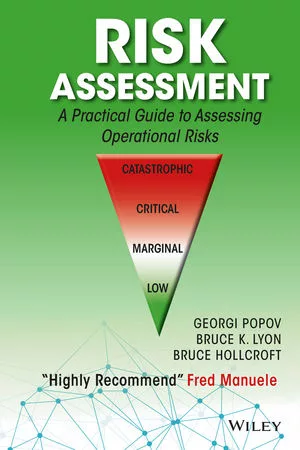
    Risk Assessment: A Practical Guide to Assessing Operational Risks

  • industrial hy.jpg

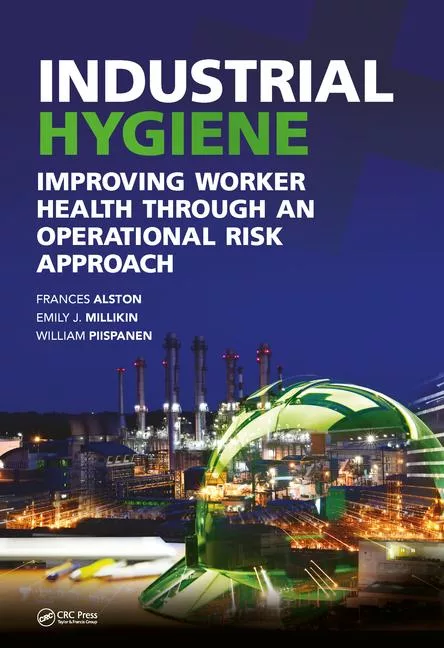
    Industrial Hygiene: Improving Worker Health through an Operational Risk Approach

  • 1119772133.jpg

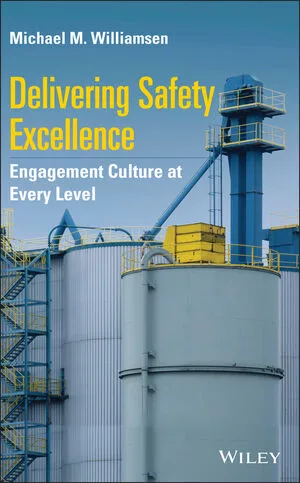
    Delivering Safety Excellence: Engagement Culture at Every Level

See More Products

Events

View AllSubmit An Event
  • March 4, 2015

    ACGIH® TLV® for Heat Stress and Strain in the Context of Heat Stress Management webinar

    While the Heat Stress and Strain TLV® is designed for exposure assessment, it exists in the context of an integrated heat stress management program. This webinar will outline the components of a heat stress management program to illustrate how the TLV® can be used for exposure assessment and the development of controls.
View AllSubmit An Event
×

Become a Leader in Safety Culture

Build your knowledge with ISHN, covering key safety, health and industrial hygiene news, products, and trends.

JOIN TODAY
  • RESOURCES
    • Advertise
    • Contact Us
    • Directories
    • Manufacturing Division
    • Store
    • Want More
  • SIGN UP TODAY
    • Create Account
    • eMagazine
    • Newsletters
    • Customer Service
    • Manage Preferences
  • SERVICES
    • Marketing Services
    • Reprints
    • Market Research
    • List Rental
    • Survey/Respondent Access
  • STAY CONNECTED
    • LinkedIn
    • Facebook
    • YouTube
    • X (Twitter)
  • PRIVACY
    • PRIVACY POLICY
    • TERMS & CONDITIONS
    • DO NOT SELL MY PERSONAL INFORMATION
    • PRIVACY REQUEST
    • ACCESSIBILITY

Copyright ©2026. All Rights Reserved BNP Media, Inc. and BNP Media II, LLC.

Design, CMS, Hosting & Web Development :: ePublishing