Manage extreme heat to avoid exhaustion, stroke, possible death
Climate control respirators
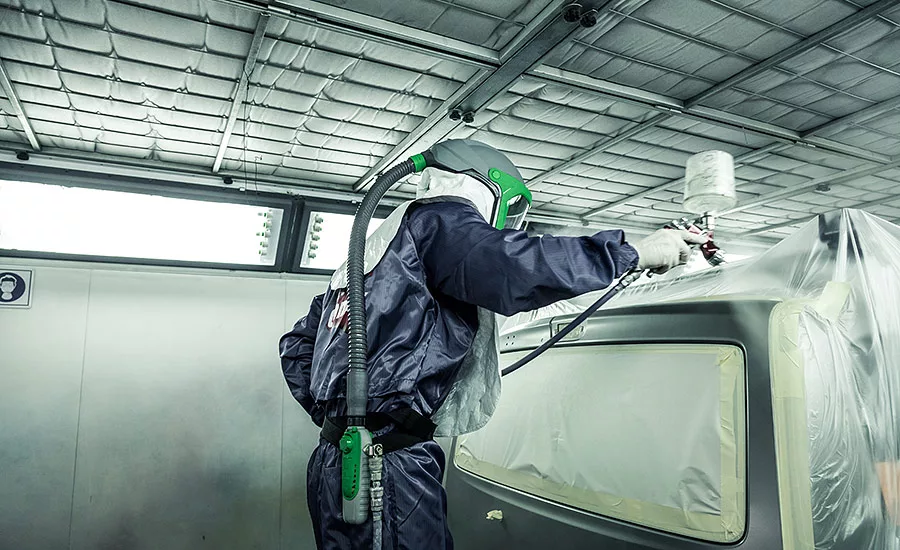
Industrial work environments are not ideal for comfort. They are often hot, stuffy, and stifling. Factor in the appropriate PPE that many workers are required to wear, and regulating body temperature can become extremely difficult, if not impossible. Without preventative measures, the results can be fatal.
Respirators and other PPE are key in protecting workers who are exposed to harmful substances. However, this protective gear can exacerbate the effects of extreme heat, making workers uncomfortable or leading to severely harmful or potentially fatal effects.
In attempts to cool themselves down or be more comfortable, workers may remove or alter their PPE or respiratory protection. This is both dangerous and illegal, as it can void OSHA compliance and leave them exposed to harmful substances in their environments. Instead, workers and employers alike must look to other methods to help maintain comfort when PPE or respiratory protection is required.
Why heat is so dangerous
If not properly addressed, heat exhaustion and heat stroke can result in death. To prevent this, the body’s natural response to overheating is to increase blood flow to the skin, leading to sweat. The evaporation of sweat off skin then helps cool the body down. U.K. regulatory body Health and Safety Executive (HSE) acknowledges that respirators and other PPE can exacerbate the effects of severe temperatures, stating that “[PPE] can cause heat stress due to its weight and the fact that it prevents sweat evaporating from the skin.”
If the body cannot regulate quickly or efficiently enough it goes into dehydration, heat exhaustion, and then stroke, which can be fatal. Signs of stroke include confusion, fainting, seizures, headaches, and nausea and need immediate medical treatment, according to OSHA.
“When the ambient temperature of the surrounding air is 95 degrees F or higher, radiation, convection, and conduction stop working. Evaporation is all that is left to cool the body. Protective clothing used by welders, firefighters, racers, and hazmat workers will make the heat situation even worse,” OHSA states.
Heat stress in the industrial landscape
OSHA notes that any process or environment that raises a worker’s deep core body temperature can increase the risk of heat stroke. In addition to hot climates, this includes strenuous physical activity, contact with hot objects, and radiant heat sources such as metal casting pots.
Heat can affect workers both physically and mentally. When overheated, worker productivity and efficiency has been shown to decrease, impacting their accuracy. OSHA reports that “worker's reaction times can be dramatically reduced by even a 2 percent dehydration level due to heat stress.” In industrial environments with hazardous substances and heavy machinery, inaccuracy and slower reaction times can greatly impact the safety of all employees.
OSHA has cited heat stress as one of the biggest contributing factors in preventable accidents and work-related injuries. However, the key to this data is “preventable.” According to OSHA, to be successful in prevention, companies and workers alike must be able to “identify and implement the corrective actions necessary to prevent future incidents”.
Reducing risk: the challenges
It is difficult for regulatory bodies to set a standard maximum working temperature due to extreme heat typical in industrial environments, like foundries. The HSE acknowledges that many varying factors can apply, as “a reasonable temperature for a workplace depends on work activity and the environmental conditions of the workplace.” This means employers may struggle to determine what temperature is dangerous or when controls should be put in place to minimize the effects of extreme heat.
Defining the risk is also difficult because individuals’ heat tolerances vary. Where one worker may be comfortable at a certain temperature, another may struggle to concentrate or begin to suffer physical effects. This can make it hard for employers to maintain an environment that suits every employee, and they have limited control outdoors.
Indoor workers are also at risk. "Heat illness can happen indoors year-round. Employers must accustom workers in industrial environments to their facility," says Bonita Winingham, OSHA’s Omaha area director.
OSHA suggests several ways to mitigate the risk of heat stress:
Engineering controls
Companies can install ventilation or air treatment/air cooling systems which work to lower the temperature of the air in the work environment. Local air cooling can be employed to reduce temperatures in specific areas. Employers can also work to reduce radiant heat by using shields or barriers.
While these methods can be effective, they are limited by the work environment and are not always feasible, especially outdoors.
Administrative/work practice controls
Worker-centric options for mitigating the risk of extreme heat include conducting work at a slower pace, taking more breaks, rotating staff out so they have longer recovery times between shifts, and scheduling work accordingly during cooler parts of the day. Companies with temporary or new employees need to take extra precaution, as workers not accustomed to extreme temperatures can be more susceptible. Some studies suggest climatizing these employees with shorter shifts and more frequent breaks.
Though these practices are generally helpful for employee wellbeing, they are also not always possible; additionally, they can impact a company’s bottom line due to higher costs, lost productivity and efficiency.
PPE as a control
While PPE can, in some cases, exacerbate the effects of heat, it can also be implemented to help combat them. In fact, OSHA states that the use of circulating air is “the most highly effective, as well as the most complicated, personal cooling system.” Commonly found in such PPE as supplied air respirators, these systems direct compressed air around the body and are effective in improving both evaporative and convective cooling.
Often referred to as climate control, these supplied air systems work for users both indoors and outdoors and are controlled individually, allowing workers to set the temperature to their own personal preferences.
Climate control devices for respiratory protection
Climate control devices are useful in mitigating heat stress when used with supplied air, loose fitting respirators. They attach to the air supply and let users cool their incoming air as desired. Advanced devices tend to be small, lightweight, and sit comfortably on the wearer’s hip. Cooled air is pushed into the head top and circulated around the head and upper torso, providing fast, easy relief.
Comfort is important, but safety is paramount. Regulating body temperature is crucial in ensuring both individual workers and their co-workers remain focused, efficient, productive, and – most of all – safe on the job.
Sources:
Baker, Bruce, and John LaDueMay. “How Heat Stress Affects Performance.” Occupational Health & Safety, Occupational Health & Safety, ohsonline.com/Articles/2010/05/01/How-Heat-Stress-Affects-Performance.aspx.
“Eaton Corp. Cited for Employee's Heat-Related Kidney Failure at Kearney, Nebraska, Automotive Manufacturing Plant | Occupational Safety and Health Administration.” Occupational Health & Safety Administration, UNITED STATES DEPARTMENT OF LABOR, www.osha.gov/news/newsreleases/region7/12162014.
“Heat-Related Illnesses and First Aid.” Occupational Safety and Health Administration, UNITED STATES DEPARTMENT OF LABOR, www.osha.gov/SLTC/heatstress/heat_illnesses.html.
“Safety & Health Guides - Heat Stress Guide.” Occupational Safety and Health Administration, UNITED STATES DEPARTMENT OF LABOR, www.osha.gov/SLTC/emergencypreparedness/guides/heat.html.
“Temperature in the Workplace-Frequently Asked Questions.” HSE, Health and Safety Executive, www.hse.gov.uk/temperature/faq.html.
“Water. Rest. Shade. OSHA's Campaign to Keep Workers Safe in the Heat.” Occupational Safety and Health Administration, UNITED STATES DEPARTMENT OF LABOR, www.osha.gov/heat/index.html.
Looking for a reprint of this article?
From high-res PDFs to custom plaques, order your copy today!