ISHN logo
search
cart
facebook twitter linkedin youtube
  • Sign In
  • Create Account
  • Sign Out
  • My Account
ISHN logo
  • NEWS
    • Today's News
    • Global Safety News
    • Government Regulations
  • PRODUCTS
    • Product Innovations
    • Featured Products
  • TOPICS
    • Environmental Health and Safety
    • Facility Safety
    • Workplace Health
    • Occupational Safety
    • PPE
    • More Topics
  • CONSTRUCTION
  • TECHNOLOGY
  • COLUMNS
    • Best Practices
    • Dave Johnson: What’s going on
    • Editorial Comments
    • Leading Safety
  • MULTIMEDIA
    • ISHN Podcast
    • Videos
    • Cold Stress Education Quiz
    • Webinars
    • White Papers
  • MORE
    • Buyer's Guide
    • Newsletters
    • Convention Companion
    • Polls
    • Events
    • ISHN Store
    • Sponsor Insights
  • EMAGAZINE
    • eMagazine
    • Archived Issues
    • Contact
    • Advertise
  • JOIN TODAY!
Today's Safety NewsGovernment Safety RegulationsTransportation SafetyWorkplace Health

California, feds battle over bus driver meal, rest breaks

bus
June 12, 2019

In a state v. federal fight regarding worker protections, California and the bus industry are butting heads over hours of service (HOS) regulations. The latest salvo was fired this week, when California Attorney General Xavier Becerra urged the Federal Motor Carrier Safety Administration (FMCSA)  to deny a petition by the American Bus Association (ABA) that claims California labor protections for bus drivers are preempted by federal law.

“Depriving drivers of adequate meal and rest breaks undermines regulations put in place to protect the welfare of California workers,” said Becerra. “We refuse to sit by as the ABA attempts to avoid granting basic workplace protections to bus drivers.”

The ABA’s petition follows a similar petition filed by the American Trucking Association in 2018, which resulted in a preemption ruling by the FMCSA. A federal district court subsequently ruled that the preemption applied to cases that commenced before the determination was issued. The court held that the FMCSA’s order “bars enforcement of the relevant provisions of the California Labor Code as applied to property-carrying commercial vehicle drivers.”

That FMCSA determination remains mired in legal challenges.

State law

California laws require transportation industry employers to provide workers with a minimum 30 minute meal period after five hours of work, unless the total work day is no more than six hours long. The employee must be relieved of all duty during the meal period, unless the nature of the work prevents that. A ten minute rest break per every four hours is also mandated, preferably within the middle of the work period.

Fatigue and accidents

In its petition, the ABA notes that the California Meal and Rest Break Rules (MRB) “are presumably designed to limit the fatigue of transportation workers, and thereby prevent fatigue-related accidents, by designating meal and rest breaks of fixed durations at certain intervals in the work period…But that fact merely recognizes that fatigue might play a role in accidents in many industries, including transportation using commercial trucks and buses. That the relationship between worker hours and safety is not exclusive to commercial motor vehicle transportation does not in any way prohibit FMCSA from exercising its statutory authority to ensure that the state’s requirements have a safety benefit, are not incompatible with the federal regulations applicable to the same activity, and do not unreasonably burden interstate commerce.”

California Labor Secretary Julie A. Su focused on worker well-being in comments about the ongoing regulatory dispute.

“California bus drivers have a right to basic worker protections that include meal and rest breaks,” said Su. “Any scenario that allows drivers to work from 10 to 15 hours a day without breaks not only creates a public safety issue, but violates California labor laws that protect workers across industries. We will resist any efforts to undermine the state’s right to set employment standards that protect workers and create a level playing field.”

KEYWORDS: fatigue hours of service

Share This Story

Looking for a reprint of this article?
From high-res PDFs to custom plaques, order your copy today!

Recommended Content

JOIN TODAY
to unlock your recommendations.

Already have an account? Sign In

  • forklift safety

    Exploring the latest technologies in forklift safety

    With more staff and more stock in warehousing now more...
    Workplace Training Strategies
    By: Josh Cramer
  • welding

    All about welder’s flash or arc eye

    A flash burn is a painful inflammation of the cornea,...
    Environmental Health and Safety
  • dangerous jobs

    The 10 most dangerous jobs in the U.S.

    On-the-job deaths have been rising — hitting the highest...
    Government Safety Regulations
    By: Benita Mehta
Manage My Account
  • eMagazine Subscriptions
  • ISHN Newsletter & Other Newsletter Alerts
  • Online Registration
  • Manage My Preferences
  • Subscription Customer Service

More Videos

Sponsored Content

Sponsored Content is a special paid section where industry companies provide high quality, objective, non-commercial content around topics of interest to the ISHN audience. All Sponsored Content is supplied by the advertising company and any opinions expressed in this article are those of the author and not necessarily reflect the views of ISHN or its parent company, BNP Media. Interested in participating in our Sponsored Content section? Contact your local rep!

close
  • man wearing the the Sundström SR200 Full Face Mask Respirator
    Sponsored byOHD

    5 Fit Testing Mistakes That Could Cost You

  • This image shows Magid AcuSpex polarized blue mirrored safety glasses.
    Sponsored byMagid Glove and Safety

    Construction PPE Guide: What Crews Need for Each Task

  • lone worker in confined space
    Sponsored byAlphasense Ltd.

    GET THE LEAD OUT of your Safety Oxygen Sensors!

Popular Stories

SpaceX 7 launch

OSHA Investigating Fatal Fall at SpaceX Starbase

Worker Impairment

How to Tell When a Co-Worker is Impaired? A Safety Pro’s Challenge

psychology in the workplace

Most Workplaces Measure Psychological Safety, Ignoring Psychosocial Risks

top 10 most dangerous jobs

Poll

Seasonal Readiness

With the federal heat stress prevention rule on the horizon, which area of your safety program needs the most attention?
View Results Poll Archive

Products

Surviving an OSHA Audit A Management Guide, 2nd Edition

Surviving an OSHA Audit A Management Guide, 2nd Edition

See More Products

ISHN Podcasts

Related Articles

  • Bus driver hides dizzy spells, almost crashes bus

    See More
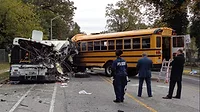
  • Baltimore school bus crash

    NTSB wants Baltimore to tighten school bus driver qualifications

    See More
  • NTSB

    School bus driver's medical condition a factor in fatal crash, fire

    See More

Related Products

See More Products
  • 2016_WM.jpg

    ANSI/ASSE Z9.11-2016 Laboratory Decommissioning

  • download (1).jpg

    Safety Rebels Real-World Transformations in Health and Safety

  • 9781264257829_24.jpeg

    Construction Safety: Health, Practices and OSHA

See More Products
×

Become a Leader in Safety Culture

Build your knowledge with ISHN, covering key safety, health and industrial hygiene news, products, and trends.

JOIN TODAY
  • RESOURCES
    • Advertise
    • Contact Us
    • Directories
    • Manufacturing Division
    • Store
    • Want More
  • SIGN UP TODAY
    • Create Account
    • eMagazine
    • Newsletters
    • Customer Service
    • Manage Preferences
  • SERVICES
    • Marketing Services
    • Reprints
    • Market Research
    • List Rental
    • Survey/Respondent Access
  • STAY CONNECTED
    • LinkedIn
    • Facebook
    • YouTube
    • X (Twitter)
  • PRIVACY
    • PRIVACY POLICY
    • TERMS & CONDITIONS
    • DO NOT SELL MY PERSONAL INFORMATION
    • PRIVACY REQUEST
    • ACCESSIBILITY

Copyright ©2026. All Rights Reserved BNP Media, Inc. and BNP Media II, LLC.

Design, CMS, Hosting & Web Development :: ePublishing