ISHN logo
search
cart
facebook twitter linkedin youtube
  • Sign In
  • Create Account
  • Sign Out
  • My Account
ISHN logo
  • NEWS
    • Today's News
    • Global Safety News
    • Government Regulations
  • PRODUCTS
    • Product Innovations
    • Featured Products
  • TOPICS
    • Environmental Health and Safety
    • Facility Safety
    • Workplace Health
    • Occupational Safety
    • PPE
    • More Topics
  • CONSTRUCTION
  • TECHNOLOGY
  • COLUMNS
    • Best Practices
    • Dave Johnson: What’s going on
    • Editorial Comments
    • Leading Safety
  • MULTIMEDIA
    • ISHN Podcast
    • Videos
    • Cold Stress Education Quiz
    • Webinars
    • White Papers
  • MORE
    • Buyer's Guide
    • Newsletters
    • Convention Companion
    • Polls
    • Events
    • ISHN Store
    • Sponsor Insights
  • EMAGAZINE
    • eMagazine
    • Archived Issues
    • Contact
    • Advertise
  • JOIN TODAY!
Occupational SafetyEditorial Comments: Safety & Health | ISHNWorkplace HealthWorkplace Safety Culture

Editor's Letter

Safety at home should include ergonomics

Pain-free WFH

By Benita Mehta
Safety at home should include ergonomics
May 6, 2020

If you’ve transitioned into working from home recently, along with many non-essential workers, you might be in danger of developing heath issues. Ergonomics is an area often ignored, but considered essential to eliminate pain from repetitive movements and bad posture.

Why ergonomics?

Ergonomics is “the science of fitting workplace conditions and job demands to the capabilities of the working population,” according to NIOSH. Fitting the task to the worker, rather than forcing the worker to fit the task can be a tough habit to break. Ergonomics also includes avoiding tasks that may lead to injuries. OSHA defines ergonomics as “the science of designing the job to fit the worker, rather than physically forcing the worker’s body to fit the job. Adapting tasks, work stations, tools and equipment to fit the worker can help reduce physical stress on a worker’s body and eliminate many potentially serious, disabling work-related musculoskeletal disorders.”

Musculoskeletal disorders (MSDs) such as carpal tunnel syndrome, tendinitis, muscle strains and lower back injuries affect the muscles, nerves, blood vessels, ligaments and tendons, according to OSHA. But practicing good ergonomics can help prevent workers from acquiring MSDs.

So, anything that may cause an employee to get hurt or be physically uncomfortable while working falls under the umbrella of workplace ergonomics.

Occasionally responding to emails at the kitchen table or quickly checking on things from your couch on nights and weekends might be fine, but now that many people are spending eight hours, or more, each day working from home, it’s time to consider creating a more permanent workspace in your home. Working from home day after day for weeks, and even months, is very different from doing it for a couple hours a week.

I recently upgraded my chair in my home office to a more ergonomic model, and it’s amazing what a different it has made. Simply changing the height of your chair can reduce strain on eyes, neck and your back, and even your wrists and elbows.

Knowledge about ergonomics has become a bigger consideration in recent years due to long-term health and wellness benefits, including for non-office workers.

Tips on staying safe

Even if you’re working temporarily from your kitchen table, and don’t have a dedicated home office, there are plenty of things you can do to improve back health and neck strain.

  • Using an external keyboard or monitor versus only a laptop, and keeping your eyes a proper distance from the monitor. Studies have shown that the preferred distance is 20 inches.
  • Sitting with your knees at a 90-degree angle so you can relieve pressure from your back.
  • Consider lumbar support when choosing a chair to keep your back straight and supported.
  • Setting up your monitor so you are looking straight ahead, not down or sideways, to avoid neck strain.
  • Try standing for a while, or at least getting up and moving for a few minutes for every 30 minutes you’ve been sitting. There are some great resources online for ergonomic stretches you can do at your workstation:
    • https://www.ccohs.ca/oshanswers/ergonomics/office/stretching.html
    • https://www.ors.od.nih.gov/sr/dohs/HealthAndWellness/Ergonomics/Pages/exercises.aspx
  • Proper lighting. Usually, workplaces will have much brighter lights than you have in your home. Consider using a desk lamp. Using both natural and artificial light can reduce the risk of eye strain and headaches.

Making do

Charity Madrid-Torres, a health and safety specialist with Risk Management Services at the Univerity of Arizona, says, “The main thing right now is to work as best as possible with the things you have at home. For many people, that means getting the best out of furniture that isn’t adjustable in the same ways that you might be used to…”

What if you don’t have an ergonomic office chair? “If you’re working on the couch with your feet up, that’s OK, as long as you try to sit up in a straight position as much as possible,” Madrid-Torres says. “Most importantly, make sure your shoulders are straight and rest them against the back rest. Take a couch cushion or pillow, or a small laptop desk to raise it to nearly eye level. The main thing is try not to hunch if possible.”

Madrid-Torres says try to make sure whatever chair you’re using supports your back as much as possible with your feet flat on the floor. She suggests placing books or a box for your feet to rest on if your desk is too high.            

At this point, we’re not sure when those deemed non-essential will be allowed to re-enter workplaces and when social distancing will cease. However, there are steps you can take to ensure you’re staying safe while on the job in your home or at any makeshift office you’ve created.


— Benita Mehta, ISHN Chief Editor


Editor’s note: While Dave Johnson has moved on after 40 years as chief editor of ISHN, he’s sticking around in his new role as Editor-at-Large. He’ll still appear in the magazine with occasional articles and contributions featuring his expertise. In this issue, be sure to read his cover story on how EHS professionals are dealing with COVID-19.

KEYWORDS: musculoskeletal disorders (MSDs) OSHA statistics sedentary lifestyle wellness research working conditions

Share This Story

Looking for a reprint of this article?
From high-res PDFs to custom plaques, order your copy today!

Benita mehta 200

Benita Mehta is chief editor of ISHN. She has been with ISHN since 2015 and has been chief editor since 2020. 

Recommended Content

JOIN TODAY
to unlock your recommendations.

Already have an account? Sign In

  • forklift safety

    Exploring the latest technologies in forklift safety

    With more staff and more stock in warehousing now more...
    Facility Safety
    By: Josh Cramer
  • welding

    All about welder’s flash or arc eye

    A flash burn is a painful inflammation of the cornea,...
    Environmental Health and Safety
  • dangerous jobs

    The 10 most dangerous jobs in the U.S.

    On-the-job deaths have been rising — hitting the highest...
    Transportation Safety
    By: Benita Mehta
Manage My Account
  • eMagazine Subscriptions
  • ISHN Newsletter & Other Newsletter Alerts
  • Online Registration
  • Manage My Preferences
  • Subscription Customer Service

More Videos

Sponsored Content

Sponsored Content is a special paid section where industry companies provide high quality, objective, non-commercial content around topics of interest to the ISHN audience. All Sponsored Content is supplied by the advertising company and any opinions expressed in this article are those of the author and not necessarily reflect the views of ISHN or its parent company, BNP Media. Interested in participating in our Sponsored Content section? Contact your local rep!

close
  • man wearing the the Sundström SR200 Full Face Mask Respirator
    Sponsored byOHD

    5 Fit Testing Mistakes That Could Cost You

  • This image shows Magid AcuSpex polarized blue mirrored safety glasses.
    Sponsored byMagid Glove and Safety

    Construction PPE Guide: What Crews Need for Each Task

  • lone worker in confined space
    Sponsored byAlphasense Ltd.

    GET THE LEAD OUT of your Safety Oxygen Sensors!

Popular Stories

SpaceX 7 launch

OSHA Investigating Fatal Fall at SpaceX Starbase

Automated loading dock equipment

After March 2026 Rivian Death, Safety Managers Reassess Loading Dock Systems Under OSHA's Warehouse Emphasis Program

psychology in the workplace

Most Workplaces Measure Psychological Safety, Ignoring Psychosocial Risks

top 10 most dangerous jobs

Poll

Seasonal Readiness

With the federal heat stress prevention rule on the horizon, which area of your safety program needs the most attention?
View Results Poll Archive

Products

Surviving an OSHA Audit A Management Guide, 2nd Edition

Surviving an OSHA Audit A Management Guide, 2nd Edition

See More Products

ISHN Podcasts

Related Articles

  • Your spring cleaning should include a home hazard check

    See More
  • Wide-World-of-Safety-Podcast-MAIN-780x439.png

    PODCAST | Workplace safety at Los Alamos: Home of the atomic bomb

    See More
  • What your HazCom program should include

    See More

Related Products

See More Products
  • 1119906652.webp

    Alive and Well at the End of the Day: The Supervisor's Guide to Managing Safety in Operations, 2E

  • 1119772133.jpg

    Delivering Safety Excellence: Engagement Culture at Every Level

  • 111885960X.jpg

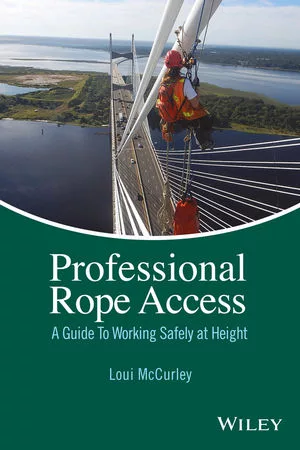
    Professional Rope Access: A Guide To Working Safely at Height

See More Products
×

Become a Leader in Safety Culture

Build your knowledge with ISHN, covering key safety, health and industrial hygiene news, products, and trends.

JOIN TODAY
  • RESOURCES
    • Advertise
    • Contact Us
    • Directories
    • Manufacturing Division
    • Store
    • Want More
  • SIGN UP TODAY
    • Create Account
    • eMagazine
    • Newsletters
    • Customer Service
    • Manage Preferences
  • SERVICES
    • Marketing Services
    • Reprints
    • Market Research
    • List Rental
    • Survey/Respondent Access
  • STAY CONNECTED
    • LinkedIn
    • Facebook
    • YouTube
    • X (Twitter)
  • PRIVACY
    • PRIVACY POLICY
    • TERMS & CONDITIONS
    • DO NOT SELL MY PERSONAL INFORMATION
    • PRIVACY REQUEST
    • ACCESSIBILITY

Copyright ©2026. All Rights Reserved BNP Media, Inc. and BNP Media II, LLC.

Design, CMS, Hosting & Web Development :: ePublishing