Are you confident your remote workers are safe?
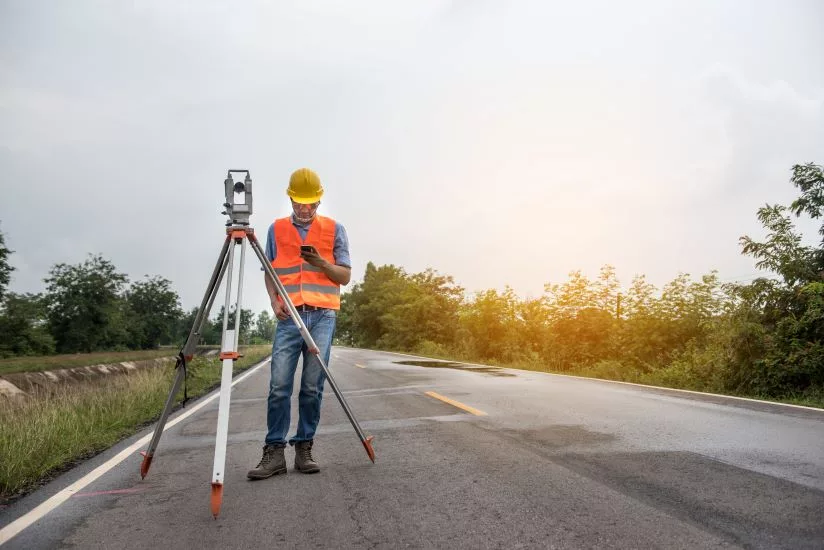
With tens of millions of Americans returning to work after the COVID-19 quarantine, the workspaces they are returning to aren’t the same places as when they left them months ago. While the spread of the deadly virus is somewhat under control, employers now need to take different steps when protecting their team, particularly for those who are working alone. In addition to the existing workplace hazards prior to the pandemic, remote or lone workers must also be protected from a hazard that is invisible to the human eye.
With social distancing guidelines and widespread budget cuts in place, workers may now be separated or finding themselves solitary, requiring some of them to perform their jobs alone. With these new circumstances, you need to take further steps to make sure you know where your lone workers are and if they’re safe.
Does it seem a bit daunting? You’re not the only one who feels this way. But thankfully, there are ways to combat this microscopic enemy, giving you some peace of mind that your lone workers are out of harm’s way.
Conduct a hazard-risk assessment
Before the pandemic, there was already a number of workplace hazards to worry about. But because of the recent health crisis, your workplace may now have new risks that need to be identified for the safety of your team. The possibility of COVID-19 infection presents a new set of workplace hazards, that include sanitation and social interaction risks. Before you look at ways of protecting your lone workers, you need make an exhaustive list of all of the risks and hazards that pose a threat to your team. Your risk assessment will be an evolving document as new hazards and challenges arise.
Develop and implement a working alone policy
A lone worker policy is an effective way to ensure that your lone workers are well-educated on your company’s work-alone rules and have extensive knowledge of all workplace hazards that could be encountered on the job. It’s a useful tool that ensures both employers and employees are aware of the risks involved with lone work. When developing this policy, consider the potential legal ramifications of protecting your workers. This is another reason to implement proactive safety measures before an accident occurs, not only hurting your valued team members but harming your organization as well.
Thoroughly train workers and managers
Once you’ve developed your lone worker policy, you need go through the policy with your team, making sure they know how to deal with the identified risks. Training your team can involve workshops, courses and even mock scenarios where you have your team run through an emergency situation to help them practice the proper response. This training is also a valuable opportunity to engage your remote team, helping build comradery within your organization.
Provide the appropriate equipment and tools
Along with the proper systems, policies and training in place, lone workers need the appropriate tools to safely perform their daily tasks. Well-equipped workers result in not only work being properly done, but staff who are more safe and protected from any risks. As the employer, it is your responsibility to equip your workers with the safest, most updated equipment and tools available.
Be prepared for a worst-case scenario
This was important before but it’s even more important now – make sure you have developed an emergency communications plan for when the safety of your lone workers is unfortunately compromised. When an emergency does take place, a thought-out, well-developed communications plan is integral to the safety of your workers, especially those working remotely and alone. Part of your plan can include an automated lone worker monitoring tool that include proactive check-ins, location tracking and fall detection.
Promote a culture of safety
One of the easiest steps you can take to protect your workers is establish a culture of safety within your company. Whether it’s having accessible first aid kits in the office and work area, encouraging and demonstrating tidy work areas, or posters/stickers reminding staff to regularly wash their hands or wear their hard hats, creating an environment where safety is clearly a priority, can go a long way for the well-being of your team and lone workers.
Don’t forget about mental health
The mental health of your team should be priority regardless of what industry you’re in. But for those working alone, you need to pay extra attention to their emotional well-being because they are lacking that social contact and interaction. If possible, provide your workers with resources such as counselling, gym or yoga memberships, and/or meditation apps.
Proactive action during COVID-19
Some of the most effective weapons against the spread of COVID-19 are, of course, washing your hands, wearing face masks, practicing social distancing and employing contact tracing. Contact tracing identifies those who have been in contact with an infected person, tests them for infection and then treats them if needed, isolating cases before it spreads. Contact tracing can be done manually, requiring a lot of time, or it can be performed using an automated system. A solid contact tracing system will prevent the spread of the virus within your company and the community, allowing you to continue your operations.
Looking for a reprint of this article?
From high-res PDFs to custom plaques, order your copy today!