Are you perpetuating lone worker myths?
These ways of thinking can jeopardize their well-being and safety
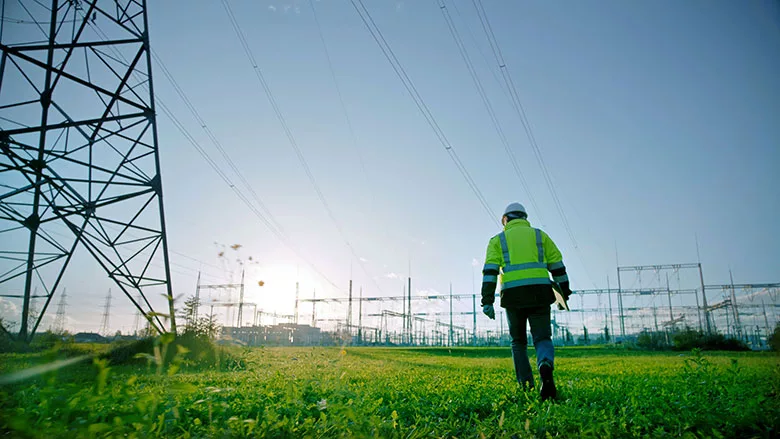
Photo: SimonSkafar/ iStock / Getty Images Plus
Working alone is dangerous. Lone workers face occupational hazards and increased risks those in pairs or teams do not experience when performing their jobs. These include inaccessible or difficult communication, increased risk of harassment and assault, and no coworkers to help if they are hurt or ill — lone workers can also experience stress and loneliness from the isolative nature of the work. Additionally, there are several safety myths around lone worker safety that — unless clarified with both safety managers and lone workers — can jeopardize the wellbeing of those performing their jobs alone.
Myth: Lone workers are always isolated
The most common myth about lone workers is that they are completely isolated from other people. While that is sometimes the case, lone workers often perform their jobs around members of the public and are in regular communication with their fellow team members and managers. This is thanks to safety systems in place and communication devices and networks that allow lone workers to maintain contact in remote locations.
In a white paper from the National Safety Council (NSC), researchers found that an effective strategy to enable two-way communication with lone workers is through lone worker monitoring technologies and GPS technologies, as well as additional benefits including enhanced safety capabilities and increased cost-savings. By acknowledging lone workers are not completely secluded and by keeping them connected, it can help mitigate occupational risks like harassment and assault from members of the public.
Myth: Lone worker technology tracks all of the person’s activities
These types of technologies are safety-focused and only monitor the person’s location or activities during work hours or agreed-upon periods; the employer must be fully transparent with when they are monitored which must be communicated clearly to the lone workers.
These safety technologies can be easily activated and deactivated when work activities are done, stopping all automated monitoring and protection from the safety app or device. If employees are concerned about their privacy and how they are being monitored while at work, the NSC recommends that employers involve lone workers in the onboarding process with the new technology, as well as communicating to them the benefits of why this being performed.
Myth: Lone worker safety is challenging and expensive
Due to the unique safety challenges lone workers face, there is a major misconception that addressing lone worker safety is challenging and costly. Many companies practice inexpensive monitoring strategies like the buddy system which has benefits but are at risk of human error and can cost more. The reality is, however, that with thorough planning and preparation, lone worker safety can be straightforward and cost-effective, such as a comprehensive lone worker program or lone worker-focused policies and protocols.
In the white paper mentioned earlier, the NSC found that a key benefit of lone worker monitoring technologies was increased cost-savings and efficiencies by centralizing safety check-ins to confirm their safety. To properly identify and therefore address their unique safety challenges, regular hazard assessments need to be performed of the work environments, ahead of time, so that adequate planning can take place.
Myth: Only certain industries have lone workers
There’s a common belief that lone workers are only found in specific sectors such as healthcare, energy and water and utility workers. While these industries do typically employ more people who work alone than others, a definitive lone worker can be found in almost every professional area. In some cases, people may be only considered a lone worker part of the time they are working, such as those who are required to work in both teams and out in the field alone.
Lone workers, regardless of job or industry, are defined as an employee performing their job without coworkers or without direct supervision from a manager.
Some companies may employ lone workers and not be aware of it because they do work in an industry that typically employs lone workers. However, by performing hazard assessments and an evaluation of their environments and circumstances according to the six categories of lone workers, employers can properly identify these vulnerable employees within their company. Lone workers, regardless of job or industry, are defined as an employee performing their job without coworkers or without direct supervision from a manager.
Myth: Lone worker safety is all about physical danger
Lone worker safety is not only about physical threats and danger. When people work alone for long periods of time, they can get lonely as well as concerned and stressed about their safety — particularly in bad weather or remote locations. The mental health of lone employees must be addressed, and they need to have a channel to remain connected throughout their solitary work so that they can request help in an emergency.
By proactively addressing the emotional health and challenges of lone and solitary workers, employers can prevent future issues such as burnout, fatigue and other issues the lone workers may have. Occupational hazards do not only include physical threats — they can also include subjective dangers that are a risk within the context of a specific jobsite or role. Researchers found that strong psychological safety in the workplace has several benefits and “fosters the generation of innovative ideas, facilitates effective decision-making, and improves problem-solving capabilities.”
Truth: Lone work can be performed safely
With advances in smaller and smarter safety technologies and communication networks that connect a person anywhere in the world, people can work alone in more different places and in more different jobs than ever before. These same technologies that allow them to connect can help protect, allowing lone work to be performed remotely and safely — while keeping their privacy secure and protected. By leveraging the same networks, lone workers can be protected more effectively with little to zero disruption to their jobs and work. Devices such as satellite communicators allow employees to be able to request emergency help from remote locations and communicate if they feel threatened or need medical attention. Additionally, by creating and fostering a strong and positive safety culture, lone workers can benefit from the resulting supportive network and benefits.
One of the biggest dangers facing lone workers are the myths surrounding their circumstances, which, if not addressed, can lead to hurt people and a damaged company in the future with possibly OSHA fines depending on local safety legislation. By examining current workers and work environments, employers can manage the safety of lone workers and the occupational challenges they face – even those they cannot see.
Looking for a reprint of this article?
From high-res PDFs to custom plaques, order your copy today!