ISHN logo
search
cart
facebook twitter linkedin youtube
  • Sign In
  • Create Account
  • Sign Out
  • My Account
ISHN logo
  • NEWS
    • Today's News
    • Global Safety News
    • Government Regulations
  • PRODUCTS
    • Product Innovations
    • Featured Products
  • TOPICS
    • Environmental Health and Safety
    • Facility Safety
    • Workplace Health
    • Occupational Safety
    • PPE
    • More Topics
  • CONSTRUCTION
  • TECHNOLOGY
  • COLUMNS
    • Best Practices
    • Dave Johnson: What’s going on
    • Editorial Comments
    • Leading Safety
  • MULTIMEDIA
    • ISHN Podcast
    • Videos
    • Cold Stress Education Quiz
    • Webinars
    • White Papers
  • MORE
    • Buyer's Guide
    • Newsletters
    • Convention Companion
    • Polls
    • Events
    • ISHN Store
    • Sponsor Insights
  • EMAGAZINE
    • eMagazine
    • Archived Issues
    • Contact
    • Advertise
  • JOIN TODAY!
Occupational SafetyWorkplace HealthConstruction Industry Safety and Health

Asbestos safety measures for construction workers

September 27, 2021

Each year, members of the cancer community recognize Mesothelioma Awareness Day (MAD) by spreading awareness about the disease. Mesothelioma is a preventable type of cancer caused by exposure to asbestos. Today, laws prohibit new uses of asbestos in the U.S, but construction workers continue to be at risk of exposure from old uses of the mineral.

The Occupational Safety and Health Administration (OSHA) has created laws to protect workers from dangerous airborne particles. However, respiratory protection was the third most cited OSHA violation in 2020. To prevent asbestos exposure in the workplace, it’s important for construction workers and employers to understand proper safety practices.


Why are construction workers at risk of asbestos exposure?

Until the 1980s, asbestos was widely used to construct many homes and buildings. The mineral was popular in construction because of its strength, durability and resistance to heat. For decades, construction crews utilized asbestos products in insulation, roofing, drywall, plumbing and a variety of other areas.

As the dangers of asbestos became known, OSHA created regulations to protect workers from exposure. The Environmental Protection Agency (EPA) also limited the asbestos use in new products. Unfortunately, homes and buildings constructed before the 1980s may still contain asbestos products.

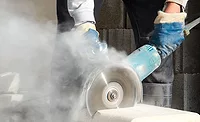
Today, construction workers risk asbestos exposure during renovations and demolitions of older structures. If an asbestos-containing material breaks apart at a construction site, fibers may be released into the air. Workers who inhale airborne asbestos fibers risk developing mesothelioma or lung cancer later in life.


Protections and safety measures for workers

To protect workers from asbestos exposure, OSHA outlines specific standards for the construction industry. Building owners and employers of construction workers are required to follow specific rules under these standards.

Employers must closely monitor the air quality at job sites where asbestos may be present. Individuals working in areas with asbestos-containing materials should be provided with the appropriate personal protective equipment, such as ventilators. Employers must also provide medical monitoring and exams to individuals working in an asbestos-contaminated area.

The EPA’s Clean Air Act also requires employers to follow certain protocols. For example, work areas must be thoroughly inspected before a renovation or demolition. If the presence of asbestos-containing materials is suspected, the renovation owner or operator is required to notify the appropriate state agency. Most states then require contractors to submit a plan to remove the hazardous materials.


Safely removing asbestos materials

The best way to safely remove asbestos-containing materials from a construction site is to hire a professional abatement contractor. Asbestos abatement professionals are educated on how to remove the material according to state and federal standards.

Professional abatement contractors must also be licensed to legally remove asbestos-containing materials. Employers should never permit unlicensed construction workers to remove asbestos materials. Improper removal of asbestos can put workers and individuals nearby at risk.

Employers who do not comply with state and federal asbestos regulations can face hefty fines and potential jail time. These regulations exist to protect workers and the public from mesothelioma and other asbestos diseases.

KEYWORDS: asbestos mesothelioma

Share This Story

Looking for a reprint of this article?
From high-res PDFs to custom plaques, order your copy today!

Recommended Content

JOIN TODAY
to unlock your recommendations.

Already have an account? Sign In

  • forklift safety

    Exploring the latest technologies in forklift safety

    With more staff and more stock in warehousing now more...
    Facility Safety
    By: Josh Cramer
  • welding

    All about welder’s flash or arc eye

    A flash burn is a painful inflammation of the cornea,...
    Environmental Health and Safety
  • dangerous jobs

    The 10 most dangerous jobs in the U.S.

    On-the-job deaths have been rising — hitting the highest...
    Construction Industry Safety and Health
    By: Benita Mehta
Manage My Account
  • eMagazine Subscriptions
  • ISHN Newsletter & Other Newsletter Alerts
  • Online Registration
  • Manage My Preferences
  • Subscription Customer Service

More Videos

Sponsored Content

Sponsored Content is a special paid section where industry companies provide high quality, objective, non-commercial content around topics of interest to the ISHN audience. All Sponsored Content is supplied by the advertising company and any opinions expressed in this article are those of the author and not necessarily reflect the views of ISHN or its parent company, BNP Media. Interested in participating in our Sponsored Content section? Contact your local rep!

close
  • man wearing the the Sundström SR200 Full Face Mask Respirator
    Sponsored byOHD

    5 Fit Testing Mistakes That Could Cost You

  • This image shows Magid AcuSpex polarized blue mirrored safety glasses.
    Sponsored byMagid Glove and Safety

    Construction PPE Guide: What Crews Need for Each Task

  • lone worker in confined space
    Sponsored byAlphasense Ltd.

    GET THE LEAD OUT of your Safety Oxygen Sensors!

Popular Stories

SpaceX 7 launch

OSHA Investigating Fatal Fall at SpaceX Starbase

Worker Impairment

How to Tell When a Co-Worker is Impaired? A Safety Pro’s Challenge

Automated loading dock equipment

After March 2026 Rivian Death, Safety Managers Reassess Loading Dock Systems Under OSHA's Warehouse Emphasis Program

top 10 most dangerous jobs

Poll

Seasonal Readiness

With the federal heat stress prevention rule on the horizon, which area of your safety program needs the most attention?
View Results Poll Archive

Products

Surviving an OSHA Audit A Management Guide, 2nd Edition

Surviving an OSHA Audit A Management Guide, 2nd Edition

See More Products

ISHN Podcasts

Related Articles

  • 6 must-have safety measures for underground utility workers

    See More
  • New safety measures for NYC site workers (2/19)

    See More
  • Dust hazard analysis deadline approaches

    How to reduce dust exposure for construction workers

    See More

Related Directories

  • SafetyLine Lone Worker

    SafetyLine Lone Worker helps companies monitor the status of workers who are remote, alone, or working in hazardous situations. We are an automated check-in monitoring and emergency notification service. SafetyLine uses its communications infrastructure to ensure that workers have comprehensive monitoring, 24/7, without the need for costly monitoring centers.
×

Become a Leader in Safety Culture

Build your knowledge with ISHN, covering key safety, health and industrial hygiene news, products, and trends.

JOIN TODAY
  • RESOURCES
    • Advertise
    • Contact Us
    • Directories
    • Manufacturing Division
    • Store
    • Want More
  • SIGN UP TODAY
    • Create Account
    • eMagazine
    • Newsletters
    • Customer Service
    • Manage Preferences
  • SERVICES
    • Marketing Services
    • Reprints
    • Market Research
    • List Rental
    • Survey/Respondent Access
  • STAY CONNECTED
    • LinkedIn
    • Facebook
    • YouTube
    • X (Twitter)
  • PRIVACY
    • PRIVACY POLICY
    • TERMS & CONDITIONS
    • DO NOT SELL MY PERSONAL INFORMATION
    • PRIVACY REQUEST
    • ACCESSIBILITY

Copyright ©2026. All Rights Reserved BNP Media, Inc. and BNP Media II, LLC.

Design, CMS, Hosting & Web Development :: ePublishing