Power plants can optimize performance with wireless technology
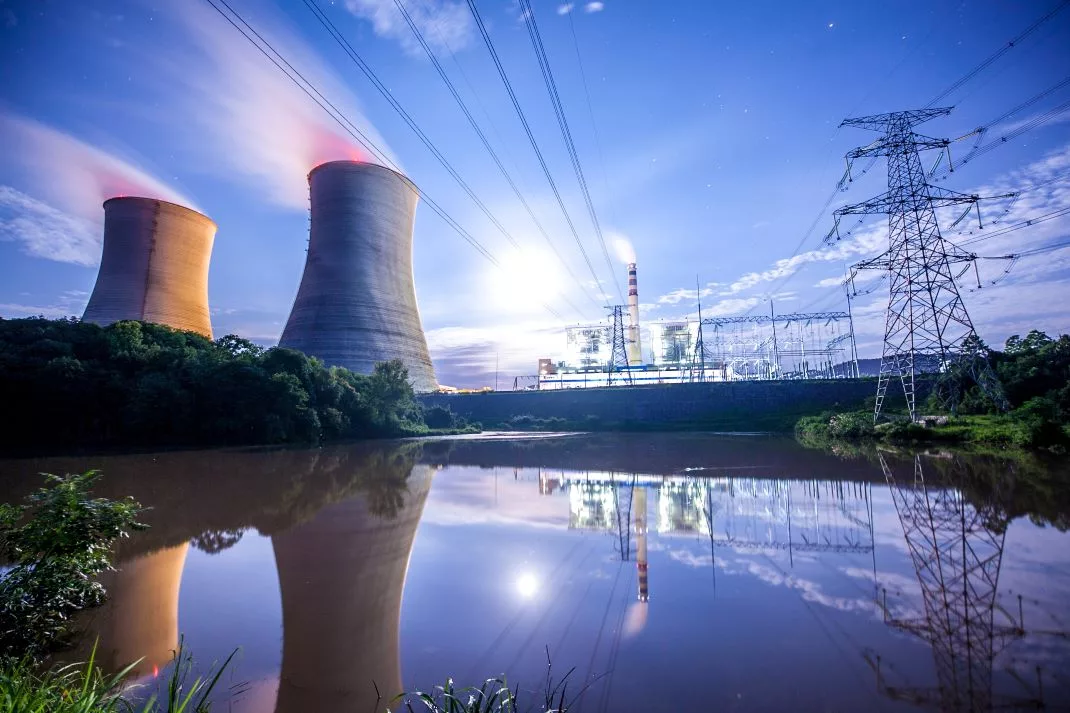
Credit: Getty Images
There’s no denying that power plants play a significant role in how the world operates. Society needs electricity to run smoothly, and power plants supply that electricity when connected to an electrical grid.
For example, manufacturers are adopting tech like artificial intelligence (AI) to automate some basic tasks and allow human employees to focus on bigger, more important jobs. New technological breakthroughs for power plants come when there’s a need to focus on sustainability to protect the environment and avoid using up natural resources.
Now, wireless technology may play a pivotal role in power plants. Here’s how it will likely improve power plant operations.
Implementing 5G into power plants for optimization
5G is a fully wireless form of digital communication. It allows seamless communication between devices without human intervention. This results in a fully interconnected world, which transforms many industries, such as health care, retail, and finance.
The benefits of adopting wireless tech in the power sector are substantial, and as the tech continues to evolve, the benefits will only grow in number and scale. Wireless technology in a power plant may include, but is not limited to:
- Paging systems
- Cellular phone systems
- Two-way communication devices
- Operator logs
- Work tracking systems
- Remote radiation protection systems
These could help streamline many power plant processes. For example, employees may be better able to manage their time at work with work tracking systems, and managers can stay on top of employees to achieve higher productivity levels.
Aside from increasing efficiency, wireless tech can actually result in cost savings for power plant operators. In one case where wireless power was used, it ended up cutting wiring costs by 50% or more and even reduced installation time.
Why adopt wireless power plant technology?
Wireless technology connects devices to each other and humans, making it easier to understand when specific machines need maintenance or new parts to ensure they are in working order. Additionally, power plants should expect to deal with an influx of data, as this technology produces more data that can be useful for things like predictive analytics.
It’s important to keep in mind that all new technologies come with a learning curve, and it does take time to implement new technologies. However, 5G in power plants is expected to be a worthwhile investment, and it will likely become more prevalent in the power sector in the future.
As time goes on, it will be crucial for power plants to be interconnected. Moving towards renewable energy is something every country is focusing its efforts on, especially with the Paris Agreement.
Combating climate change
The goal of the Paris Agreement is to lessen the impact of global warming, and many countries are participating in the agreement. Combating climate change is a priority across industries, and the power sector is no exception.
Employees in the sector should be ready for training in these key technologies, as they’ll soon play a major role in their day-to-day schedules.
In other industries, like the automotive sector, some companies have been able to offer high-quality solutions such as signal processing for test noise and vibrations. While this does not directly connect to power plants, it does support the idea that technology can improve internal processes and make for more efficient practices.
Increasing safety in power plants
Safety is a top priority for all types of businesses, and it’s even more critical in power plants. Wireless technology can help employees monitor equipment within the plant, so they’ll know when something requires maintenance to ensure it's in proper working order.
Suppose a machine is not working properly. In that case, wireless tech can help diagnose the root cause instead of sending in an employee who could be exposed to ionizing radiation, which could occur due to an accident or natural disaster.
When these maintenance checks can be made remotely, employees can sidestep putting their lives at risk to ensure machinery is working correctly. This enhances overall safety in a plant and is yet another reason wireless technology plays such an essential role.
The future of wireless tech in power plants and the shift to renewables
Thankfully, with improved technology, power plants will be run more efficiently and will go from 0 to 100 output much faster than the plants that lag in adopting wireless technology. As power plants become increasingly connected, the opportunities for moving to renewable energy sources are made easier.
This can significantly reduce greenhouse gas emissions and improve the condition of the environment where the plant is located. Because plants will be more connected, their ability to adapt to changes will likely improve.
Take General Electric, for example. GE used Internet of Things (IoT) technology to make oil and power plants more efficient. The ultimate goal would be to leverage various types of technology to create long-term investments in alternative energy.
New plans to build coal power plants have emerged in some other countries, like China and India. In the U.S., one goal is for plants to operate more sustainably, but it all centers around efficiency. The faster a power plant can run, the more electricity it can supply.
The future looks bright for wireless technology in many industries, specifically the power sector. It’s expected that wireless monitoring of power plant processes will be streamlined, and some of the most common challenges associated with operating a plant will have less of an impact.
Expect wireless tech in power plants
Any leaders in the power industry should be willing to adopt new wireless technology that could potentially revolutionize how power plants operate and make for greater power plant reliability.
Employees will need to be trained on how to use these technologies to ensure all plant components and workflows are running properly. This will be the only way to achieve high performance and efficiency. It’s likely that wireless technology, like 5G and the IoT, will evolve even more over the next few years, and power plants will need to keep up.
Looking for a reprint of this article?
From high-res PDFs to custom plaques, order your copy today!