Best practices for maintaining air quality
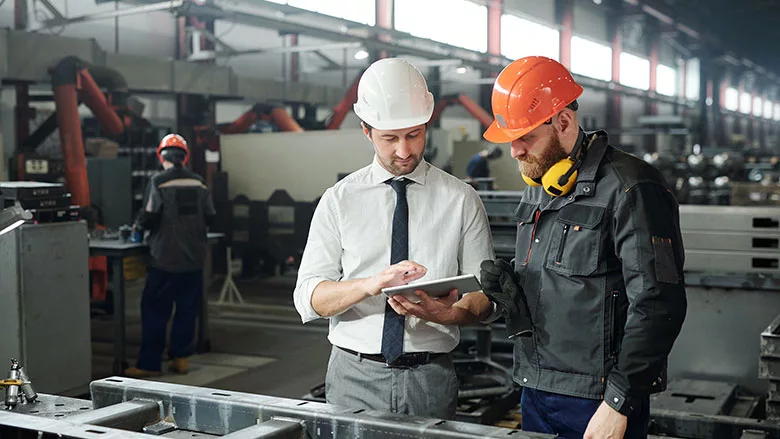
Photo credit: shironosov / iStock / Getty Images Plus
In 2020, residents and commercial building owners began focusing on indoor air quality. The Center for Disease Control informed society the COVID-19 virus can spread through air particles in small spaces. By maintaining good indoor air quality, individuals can protect their health and well-being.
Lowering emissions, removing pollutants and adopting new building designs may help individuals improve the air in a structure. Clean indoor climates increase workers’ productivity, which benefits business owners. Reducing local emissions also improves a structure’s sustainability and eco-consumer appeal.
Air quality limitations
Constructors can create better access to clean air by first evaluating any limitations. One significant challenge comes from inefficient building designs. Some structures contain few windows, which limits cross ventilation.
Outdated buildings also present air quality limitations from deteriorating materials. Walls may release asbestos from degrading insulation over time. Asbestos can contaminate indoor air and increase individuals’ health risks.
Inefficient heating, ventilation and air conditioning systems also present air quality difficulties. Outdated, damaged or unmaintained systems may spread contaminants throughout a building instead of filtering them out. Poor building envelopes can also increase humidity levels and the risk of mold development.
Mold is a bioaerosol distributed throughout the air via HVAC systems. Living in mold-contaminated environments increases residents’ risks of developing Legionnaires’ disease. People can protect themselves against such harsh respiratory conditions by maintaining optimal indoor air quality.
Improve ventilation features
Building owners can ensure indoor air quality by improving their structures’ ventilation features. They may hire a builder to facilitate construction projects that specialize in improving air quality. Individuals can search for lean manufactured building materials to minimize pollution and maintain healthy indoor air over time.
Builders may also improve indoor ventilation by installing more windows. They can place them on opposing sides of a building to move high-pressure air inside to push low-pressure air out. Creating natural airflow can remove contaminants and improve indoor air quality.
Employers can keep their employees safe by developing a natural airflow schedule. They could train workers to open opposing windows throughout the year to promote cross-ventilation. Relying on cross-ventilation to remove indoor toxins also decreases localized greenhouse gas emissions.
Most HVAC systems run on fossil-fuel-derived electricity. The power source releases emissions into the environment during the combustion phase. Relying on natural ventilation features can reduce emissions and buildings’ fossil fuel dependence.
Replace carpet with hardwood floors
Building owners can also improve indoor air quality by replacing carpets with hardwood floors. Rugs can be a breeding ground for dust mites, which produce allergens. Dust mite droppings contain contaminants and respiratory irritants.
Proteins in the droppings can increase a person’s risk of experiencing asthma attacks. They may also cause sneezing, coughing, congestion, watery eyes and facial pressure. Dust mites are less likely to colonize and reproduce on hardwood floors.
Create an HVAC filter replacement schedule
Individuals can make indoor air quality better by frequently changing their HVAC air filters. The filters capture and store respiratory irritants like dust and pollen. Advanced ones may also target bacteria to prevent individuals from developing health conditions.
Maintenance professions can protect employees health and safety by recommending and creating a filter replacement schedule. These schedules depend on the type of filter in a building — pleated ones may last longer than single panel versions.
Some HVAC filters are washable, making them a more sustainable option. Individuals should identify the longevity of their HVAC components before creating a replacement schedule.
Install air purifiers
Constructors may also maintain good indoor air by installing advanced air-filtration technologies. Before investing in an air filter, people should evaluate their room and particle sizes. They also may identify which indoor contaminants are most present.
Professionals use a Clean Air Delivery Rating system to determine a system’s efficiency levels. They suggest 120 square foot rooms use air purifiers with 80 CADR and those with high ceilings may require cleansers with advanced ratings.
Add indoor plants
Individuals can also improve and maintain indoor air quality by adding purifying plants. Specifically, philodendrons are beneficial plants to add to residential and commercial spaces. The plant species removes contaminants and toxins from the air, which creates better indoor conditions.
Spider plants, peace lilies, dracaena and aloe vera also purify the air in a building. Business owners can maintain their offices’ air quality by setting up plant management schedules and watering routines to ensure their plants’ health and longevity.
Taking the first steps
Builders and maintenance professionals may improve their indoor air quality by first identifying their top contaminants and emissions. They can hire quality auditors to take indoor air samples and explore living conditions. Then, they use the data to develop an air quality maintenance plan and improve respiratory health.
Looking for a reprint of this article?
From high-res PDFs to custom plaques, order your copy today!