Measure twice. Cut once safely
The critical role of PPE in the restoration and construction trades
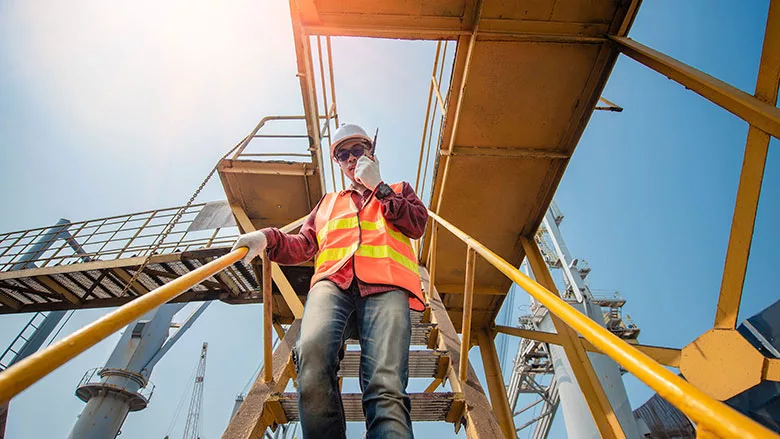
Iam Anupong / iStock / Getty Images Plus
When it comes to protecting against the dangers of mold, asbestos, lead, biohazardous waste, viral and bacterial pathogens, or any other environmental contaminant, PPE gear, also known as personal protective equipment, is the only option.
That said, the use of PPE gear is often forgotten, overlooked, or intentionally abandoned for comfort or convenience purposes. To prevent team members from being contaminated unintentionally on job sites, they need to be knowledgeable about the reality of these dangers and the hazards they pose.
The history of PPE
It may not seem like it, but personal protective equipment has a long and ever-evolving history that reflects humanity's always increasing understanding of occupational hazards. The concept of protecting oneself from external threats dates back thousands of years depending on what is considered protective equipment. Here are a few examples:
Gloves
Gloves have been around for so long that they even got a mention in Homer’s book Odyssey. Gloves were probably originally made from the hides of animals to create tough leather hand protectors for various purposes, from firing a bow and arrow, to skinning fresh game, to simply protecting from the harsh cold weather just like most gloves are still used today. In fact, gloves have been saving people’s hands and arms for so long that they eventually became a fashion accessory for Michael Jackson!
Hard hats
While the specifics of hard hats today are much different than those of yore, the purposes are still the same. Hats protect wearers from falling objects, airborne debris, and even the elements. The original hats were helmets designed to protect users from enemy combatants, but protecting the human skull from an axe blade or an I-beam is still the same goal.
Eye protection
The first use of eye protection from an occupational standpoint is credited to Powell Johnson of Baron Alabama who invented them as a means of helping protect the workers in industrial smelting and ironworks from the intense heat of blast furnaces. But in truth, strips of cloth with clits cut into them have been found archeologically speaking much older than this for protecting wearers from the glare of the sun.
For centuries ancient civilizations used rudimentary forms of these protections during various activities from trekking through snow to smelting bog iron. As industries advanced and new challenges emerged, the need for specialized and higher quality protective gear became apparent.
The modern era of PPE
The formalization of PPE standards gained a foothold during the Industrial Revolution. The growth of manufacturing and heavy industry highlighted the risks associated with various occupations, prompting the development of safety equipment specific to those industries.
Over time, PPE has evolved into a comprehensive set of tools and garments designed to shield workers from a wide array of hazards and the conditions those hazards are found in.
The nature of PPE
Personal protective equipment encompasses a diverse range of gear tailored to specific risks and environments. From gloves and masks to full-body suits and respirators, PPE is designed to create a barrier between the wearer and potential contaminants.
Today, the effectiveness of personal protective equipment lies in its ability to reduce exposure and mitigate the risks associated with hazardous substances or situations to wearers. That said, the effectiveness of this gear is predicated on the experience, knowledge, and proper use by specialists.
Unfortunately, as any wearer of PPE will know, it is not a one-size-fits-all solution. PPE is a carefully selected combination of gear based on the nature of the task at hand, and the physical characteristics of the user.
The effectiveness of PPE relies on proper selection, fit, and usage. Ill-fitting or improperly worn equipment can compromise its protective capabilities completely. This emphasizes the importance of education and training on proper and effective PPE use.
When to use PPE
Understanding when to use personal protective equipment is crucial for maintaining a safe working environment. PPE should be worn whenever there is a potential risk of exposure to hazardous substances or conditions, such as lead, mold, or asbestos contamination.
This includes situations where there is a risk of inhalation, contact with skin, or ingestion of harmful materials. These many routes that hazardous materials can take to find their way into the path of workers is why education on the importance of PPE is crucial.
In various industries, such as construction, healthcare, and manufacturing, PPE is a fundamental component of the everyday work environment. For instance, construction workers may need respiratory protection when working with materials like asbestos, while healthcare professionals require gloves and gowns to prevent the spread of infectious diseases.
Use of PPE in these situations has become so standardized that it would be highly irregular or even illegal to proceed without it. Imagine your doctor starting to perform surgery without first donning a pair of latex gloves. This same standardization of practices is what the restoration and construction industry is currently lacking, and why further education on the need for and proper use of PPE is critical.
When not to use PPE
In order to know when PPE is needed and required, it is important to know when situations arise where it isn’t a critical factor. While the importance of PPE is undeniable, there are situations where wearing protective gear may be inappropriate or counterproductive.
Understanding when not to use PPE is as crucial as knowing when to wear it. For instance, if a respirator is not required for a specific task, wearing one unnecessarily can lead to discomfort, reduced productivity, and a false sense of security which may hinder protection in future scenarios.
Improper use of PPE can create a false sense of invulnerability, leading workers to neglect other safety protocols or engage in risky behavior because they feel safe inside a bubble. It's also important to recognize situations where personal protective equipment is unnecessary to ensure that resources are allocated efficiently and that workers can perform their tasks effectively without hindrances.
The complacency of PPE use
One of the challenges associated with PPE use is the complacency that can develop over time with workers in these scenarios. Familiarity with job tasks and a perceived lack of immediate danger may lead workers to neglect the consistent and proper use of protective equipment.
As an example, Jerry may be the best drywaller in the business, but he won’t be in business very long if he can’t breathe after inhaling drywall dust his whole life. This complacency poses a significant risk, as it can not only compromise the safety of the individual and the integrity of the work environment, but it can also lead others to a false impression of safety as well.
Leadership is critical on a job site, and having a leader who is safe and protected inspires others more than one who coughs his way through dusty work.
Employers play a crucial role in combating complacency by fostering a culture of safety and emphasizing the importance of consistent PPE use. Regular training sessions, reminders, and updates on emerging hazards can help reinforce the significance of protective gear in maintaining a secure workplace.
What are the dangers of not using PPE?
The dangers of not using PPE extend beyond immediate health risks to long-term consequences for both individuals and organizations. Exposure to hazardous substances can result in severe health issues, ranging from respiratory problems to chronic illnesses and, in some extreme cases, fatalities.
Failure to use PPE also increases the risk of workplace accidents, leading to injuries that could have been prevented with proper protective measures.
Additionally, the financial implications of neglecting PPE use cannot be overstated. Work-related injuries and illnesses can and will result in increased healthcare costs, legal liabilities, and productivity losses. Employers may face regulatory penalties and damage to their reputation if they are found to be willfully neglecting occupational safety standards.
What are the benefits of using PPE on job sites?
The benefits of using PPE on job sites are multifaceted and extend to both employers and employees. Firstly, PPE safeguards the health and well-being of workers, reducing the incidence of injuries, illnesses, and job-related long-term health issues. This, in turn, fosters a more productive and engaged workforce.
From an organizational perspective, implementing robust personal protective equipment protocols enhances compliance with safety regulations, mitigates legal risks, and protects the company's reputation.
A commitment to safety and the well-being of employees can also contribute to a positive corporate culture, attracting and retaining top talent in a competitive job market. Imagine a potential job with an employer who is professional enough to have and use PPE, versus one who doesn’t. Even if they are the same job, potential employees will gravitate towards the organization that already has their health interests in mind.
The future of workforce PPE
Personal protective equipment is an indispensable component of occupational safety, providing a crucial defense against a myriad of environmental contaminants and hazards from biohazard exposure to asbestos contamination.
Understanding the nature of personal protective equipment and recognizing when and how to use it are essential steps in keeping employees safe, and in fostering a culture of safety in the workplace. Overcoming the complacency associated with PPE use requires continuous education and reinforcement of its importance by both peers and employers.
The dangers of neglecting PPE are extreme, encompassing immediate health risks, long-term health consequences, and even financial liabilities. Conversely, the benefits of using PPE on job sites extend to the well-being of individuals, organizational success, and the overall advancement of occupational safety standards throughout the industry.
In the end, the goal of PPE education is to make use of it as standardized as it is for other industries like medical professionals. The battle for keeping those at risk safe is evergreen, but we will know victory is on the side of the threatened when it becomes a badge of honor to be protected while working.
Looking for a reprint of this article?
From high-res PDFs to custom plaques, order your copy today!