The Critical Role of Gas Monitoring
How to ensure safety in confined space entry
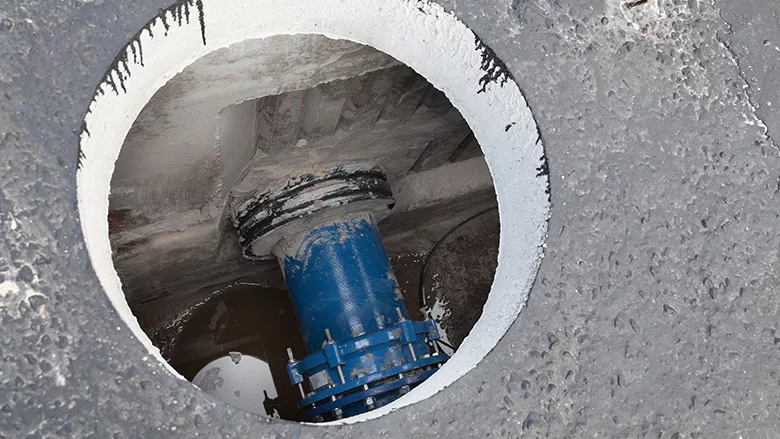
Photo: rootstocks / iStock / Getty Images Plus
Confined spaces are common in a multitude of industries, and while they may look different depending on your application, they all have the potential to contain invisible gas hazards that can knock you off your feet before you know what hit you.
The dangers associated with confined space entry are well-documented, with two workers on average losing their lives each week due to incidents in these environments. Even more alarming, 60% of these fatalities involve would-be rescuers who perish while attempting to save their peers.
To safeguard workers, it is paramount to have a well-structured plan that includes the use of reliable gas detection equipment. By combining best practices for gas detection with your company’s own safety policies, you can create a well-rounded confined space entry plan that ensures everyone makes it home safely every day.
Understanding the hazards
The first step in ensuring safety in confined spaces is recognizing the potential hazards. Confined spaces can harbor a variety of atmospheric dangers, such as oxygen deficiency, oxygen enrichment, combustible gases, and toxic gases. These hazards can appear due to the very nature of the confined space, the materials stored or processed within it, or the activities conducted therein.
Oxygen levels, for example, are a critical parameter to monitor. The minimum safe level of oxygen in a confined space is 19.5%. Below this threshold, workers can experience impaired judgment, rapid fatigue, and even loss of consciousness. Conversely, oxygen levels above 23.5% increase the risk of ignition of combustible gases, posing a severe fire hazard.
Combustible gases present another significant threat. Each gas has a specific Lower Explosive Limit (LEL) and Upper Explosive Limit (UEL). For instance, methane has an LEL of 5% and a UEL of 15%. Gas concentrations within this range can ignite, leading to potentially catastrophic explosions. Continuous monitoring of these gases is essential, as their levels can fluctuate rapidly.
Comprehensive planning and preparation
To navigate these hazards, a detailed and well-documented confined space entry plan is essential. This plan should outline the equipment required for detecting atmospheric hazards, the procedures for testing the atmosphere before entry, and the steps to take during and after entry. Regulatory requirements often mandate the use of direct-reading gas detectors to assess oxygen levels, flammable gases, vapors, and toxic air contaminants.
Training is a crucial component of any confined space entry plan. Operators must be well-versed in the procedures and the proper use of gas detectors. A study by the National Institute for Occupational Safety and Health (NIOSH) revealed that 85% of confined space fatalities involved individuals who had not received adequate training. Regular training sessions ensure that workers can correctly interpret gas detector readings and respond appropriately to alarms.
The essential role of gas detection
Gas detection is the cornerstone of confined space safety. Direct-reading gas detectors are indispensable tools for monitoring hazardous gases. When using these devices, look for ones that offer flexible sensor options to detect multiple gases simultaneously and come equipped with features like man-down alarms, panic buttons, and wireless connectivity.
Before entering a confined space, it is vital to test the atmosphere using a gas detector with a sampling pump. This process involves drawing samples from various levels within the space (top, middle, and bottom) as different gases settle at different heights. The "2x2 Rule" is a useful guideline here: wait two minutes plus two seconds for every foot of tubing used to ensure accurate readings.
Continuous monitoring during entry is equally important. Atmospheric conditions in confined spaces can change swiftly, making it imperative for workers to wear personal gas detectors that provide real-time data. In these instances, look for personal and area monitors that are “connected,” which means they can enhance safety by wirelessly sharing gas readings and alarms, ensuring that attendants outside the space are always aware of the conditions within.
Rescue preparedness
In the event of an emergency, having a robust rescue plan is critical. The instinct to rush in and save a colleague can be deadly in the presence of gas hazards. Connected gas detectors can mitigate this risk by providing real-time information about the hazards inside the confined space. This data allows rescuers to assess the situation accurately and take appropriate protective measures before attempting a rescue.
Maintenance and compliance
Maintaining gas detectors is crucial to their effectiveness. Regular bump tests, zeroing, and calibrations ensure that the sensors are functioning correctly and providing accurate readings. Docking stations can automate these processes, making it easier to keep records and ensure compliance with safety regulations.
When creating your confined space entry plan, look for gas detector maintenance programs that include options for gas detectors, calibration gas, docking stations, and training, ensuring that equipment is always in optimal condition. Some companies also offer subscription services for maintenance. By outsourcing maintenance, companies can focus on their core operations while ensuring that their safety equipment is always ready for use.
Conclusion
Confined spaces present inherent risks, but with proper planning, training, and the right equipment, these risks can be managed effectively. Gas monitoring is a critical component of confined space safety, providing the data needed to make informed decisions and protect workers. By adhering to best practices and leveraging advanced gas detection technology, companies can create a safer working environment and ensure that their employees return home safely at the end of each day.
Looking for a reprint of this article?
From high-res PDFs to custom plaques, order your copy today!