Mitigate Cold Stress Risks with Proper PPE and Training
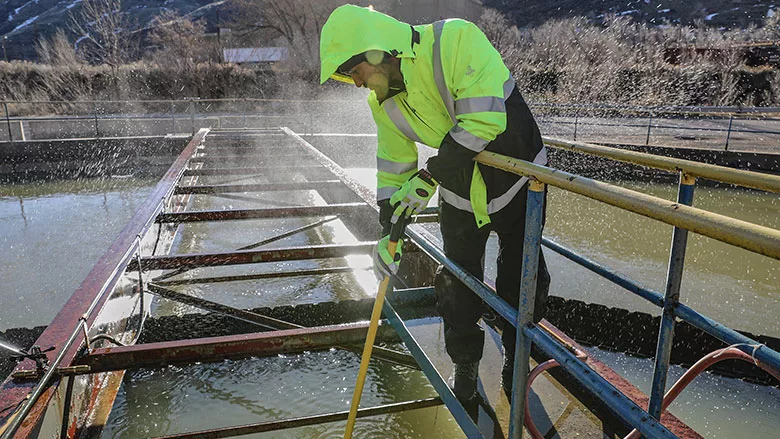
Photo credit: Refrigiwear
It’s common for industrial safety managers to be concerned about heat stress, but working in the cold can be equally dangerous.
Employers who do not address the safety hazards of working in cold temperatures risk lost productivity, accidents and injuries caused by cold stress. Selecting properly insulated PPE and training employees to wear it correctly can mitigate these risks.
What is Cold Stress?
Cold stress occurs when blood draws away from the extremities and into the core to maintain sufficient warmth for the vital organs to function. This decrease in blood circulation increases the risk of hypothermia. It also cools the skin and increases the risk of frostbite, particularly in the arms, legs, hands, feet and face.
Cold stress also induces fatigue, drowsiness, disorientation and delayed reaction times. When industrial employees experience cold stress while operating tools, equipment or vehicles, they become a danger to themselves and everyone else in the facility.
Cold stress can set in at relatively mild temperatures around 50°F, especially when working in wet or windy conditions. Anyone working in the cold can experience cold stress, but those workers with certain health conditions like high blood pressure or diabetes are at greater risk.
What are the Symptoms?
Cold stress warning signs include shivering, fatigue or drowsiness and a tingling sensation followed by numbness.
Cold stress becomes a medical emergency when symptoms progress to confusion or disorientation; slurred speech; changes in skin color, such as turning from red to purple to white; and changes in skin texture, such as a waxy appearance.
How to Prevent Cold Stress
To prevent cold stress in industrial environments, safety managers must understand how the body loses heat and how environmental factors influence the type of insulated PPE needed.
- The body loses heat in five ways. First, heat is lost through radiation when body heat rises to the surface and radiates away. Prevent this kind of heat loss by keeping the skin covered from head to toe with insulated PPE.
- Second, the body loses heat via convection or “wind chill.” In an industrial setting, convection usually comes from riding on forklifts and equipment. Look for workwear with wind-tight fabrics to avoid wind chill.
- Third, when workers exert themselves, they experience heat loss through evaporation as sweat on the skin makes the body feel colder. Choose moisture-wicking materials and dress in layers to avoid sweating.
- Fourth, respiration and breathing in cold air can lower body temperature. Prevent respiration heat loss by keeping the nose and mouth covered with a thermal gaiter or mask.
- Fifth, contact with cold surfaces such as concrete floors in factories and warehouses or industrial equipment steals body heat through conduction. Wearing appropriately insulated gloves and safety toe boots with composite toes instead of cold-conducting steel toes will keep workers warmer.
How to Choose Insulated PPE
The next factors to consider in choosing insulated PPE are the ambient conditions and the activity level of the employee.
PPE manufacturers often use thermal testing to determine a range of cold temperatures that a garment, glove, or boot should protect against. These ratings provide a frame of reference for selecting insulated PPE that matches both the ambient temperature and the activity level of their employees.
For facilities operating in low temperatures, employees in a sedentary position will feel colder and need more heavily insulated PPE than employees who are more active and generate more body heat. For example, an employee whose work requires sitting still in a -20°F environment may prefer warmer PPE rated for -40°F, while an employee whose work requires more physical activity may prefer lighter PPE rated for 0°F.
Employers must also consider the insulation, materials and design requirements to choose insulated PPE that protects workers without impeding their productivity.
Synthetic insulation made of polyester or plant-based materials are lighter and more durable than natural down insulation, plus they offer more resistance to moisture. They also have the advantage of being sewn into place, so they won’t settle, clump or leave “cold spots” with repeated use.
Synthetic outershell materials are also preferred in industrial settings. Treated materials such as nylon and polyester can be wind-tight and water-repellent, with the added benefit of increased durability.
Finally, safety managers must consider the overall suitability of insulated PPE for the task at hand. Some job functions require a wide range of motion, so garments with extra features like stretch-panels at the knees, waist, elbows and shoulder joints may be necessary for those employees. Other jobs may require manual dexterity while working in tight quarters. Those employees may need insulated gloves with articulated impact protection pads and more advanced insulation to deliver warmth without bulk that can hinder dexterity.
How to Layer Insulated PPE Correctly
The National Institute for Occupational Safety and Health (NIOSH) explains that dressing in layers is the key to preventing cold stress and working more productively in the cold.
Start with a thermal base layer. Stay away from cotton long johns and instead choose fabric blends that wick sweat away from the skin. Next, add a core-warming mid-layer. A thermal sweatshirt, insulated vest or high-bib overalls provide an extra layer of insulation around the core, making it easier for the heart to circulate blood to the extremities. Then, choose wind-tight, water-repellent outerwear to keep a barrier between employees and the elements.
Each layer should fit loosely. Avoid insulated PPE that is too tight around the waist, wrists, and calves, as this can restrict circulation and increase the risk of cold stress.
Prevent cold-related injuries to the feet, such as trench foot and frostbite, with moisture-wicking socks and waterproof, safety toe work boots. Train employees to check their feet during rest breaks and change damp or sweaty socks for a dry pair, as needed.
Hands should be protected with insulated work gloves. In extreme conditions, a glove liner may also be needed for adequate protection from cold. Employees working in wet environments should use waterproof gloves while those working with blades should use insulated cut-resistant gloves. Employees working with heavy equipment or machinery may also need insulated gloves with impact-protection pads or abrasion-resistant palms to avoid injuries.
Finally, remember to layer on protection for vulnerable areas of the head, face, ears and neck. Some industrial facilities do not allow hoods because they can restrict peripheral vision. An alternative is to wear a neck gaiter to cover the nose, mouth and neck and add an insulated cap to layer over the head and ears. In facilities that require hard hats or helmets, consider a thermal balaclava designed to fit over the brim to cover the face and neck without obstructing peripheral vision.
Stay Warm, Stay Safe
It takes dedication and determination to work in the cold. Employers who choose the proper insulated PPE and train their employees to wear it properly can avoid the risks and costs associated with cold stress, cold-related injuries and lost productivity.
Looking for a reprint of this article?
From high-res PDFs to custom plaques, order your copy today!