A Proactive Approach to Managing Cold Stress
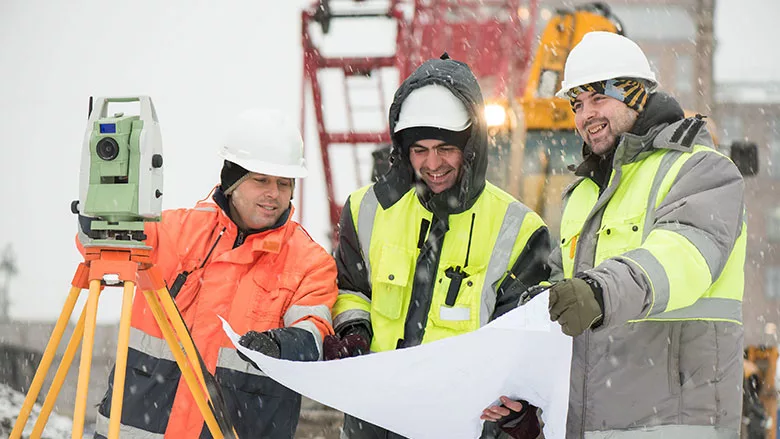
The onset of cold weather doesn’t always announce itself with blizzards and black ice. It creeps in quietly, subtly manifesting through damp gloves, shortened daylight hours, and the slow chill that seeps into exposed skin. While diligent employers, safety managers, and crew members prepare for obvious winter threats, it’s the overlooked risks that often cause the most severe consequences.
The Dangers of Cold Stress and Why It Matters
Cold stress occurs when the body is unable to maintain its normal temperature. As core temperatures drop, blood vessels constrict, muscles stiffen, and cognitive function begins to decline. This can impair judgment, slow reaction times, and—when left unattended—can lead to serious health consequences, such as:
- Frostbite: Tissue damage caused by freezing skin and underlying layers, often affecting fingers, toes, ears, and nose. In severe cases, frostbite can lead to permanent muscle, nerve, and bone damage.
- Hypothermia: While mild symptoms can manifest as shivering, dizziness, and rapid breathing, it can quickly escalate to confusion, loss of consciousness, and even death when left untreated.
- Trench Foot: A painful condition caused by prolonged exposure to cold, wet environments, trench foot often starts as sensations of tingling, itching, or numbness. Left unaddressed, these symptoms can escalate into swelling, blistering, and even tissue breakdown, potentially leading to infection or long-term nerve damage.
- Chilblains: Inflammatory skin lesions triggered by repeated exposure to cold, damp conditions, often mistaken for minor irritation. Chilblains usually appear on the fingers, toes, ears, and nose, causing itching, swelling, and sores.
While outdoor laborers, emergency responders, and utility workers are especially vulnerable as fall transitions to winter, cold stress can affect anyone exposed to low temperatures for extended periods. Moreover, what qualifies as “cold” isn’t universal. A temperature that feels tolerable in one region may pose serious risks in another. Wind chill, humidity, and dampness can amplify the danger, even in climates not traditionally associated with winter extremes.
The Business Cost of Cold Stress
Beyond health concerns, cold stress carries direct operational consequences:
- Increased workers’ compensation claims
- Higher liability exposure
- Delays on projects or emergency response timelines
For employers, recognizing cold stress is not only a safety priority but also a productivity and compliance necessity.
Implementing a Cold Stress Prevention Program
A successful cold stress safety program combines engineering controls, administrative practices, proper PPE, and worker training. The goal isn’t just comfort — it’s keeping employees safe, alert, and productive.
Reduce Exposure with Engineering and Administrative Controls
Where applicable, the most effective way to mitigate the cold stress risks is to modify the work environment and related procedures. Engineering controls, such as wind barriers, insulated enclosures, or radiant heaters, can significantly lessen the severity of cold exposure. These physical interventions create safer microclimates where work can continue without compromising health and safety.
Where applicable, the most effective way to mitigate the cold stress risks is to modify the work environment and related procedures.
These should be complemented by essential administrative controls. Supervisors should gradually acclimatize new or returning workers by easing them into cold work environments over several days. Other key practices include scheduling physically demanding tasks during the warmest parts of the day, implementing mandatory work/rest schedules with frequent breaks in heated shelters, and providing warm beverages and calorie-dense snacks to help workers maintain core body temperature.
Take a Layered Approach to Personal Protective Equipment (PPE)
An intentional layering system enables workers to adapt to winter’s unpredictable weather patterns, allowing them to add or remove garments to maintain a stable core temperature and reduce the risk of cold stress.
Here’s how an effective layering system works:
- Base Layer: Keeping the body dry during the colder months is critical, as sweat trapped against the skin can chill the body. Innerwear made from synthetic blends makes for excellent base layers, wicking moisture away from the skin and keeping it dry.
- Middle Layer: Materials like fleece and polyester trap body heat while promoting mobility. As the insulating core, the goal here is to choose garments that provide warmth without bulk.
- Outer Layer: As the final barrier against the elements, outer layers should be windproof, waterproof, and breathable to shield workers from snow, rain, and biting gusts. The best PPEs feature adjustable cuffs, storm flaps, and hoods for optimal protection even in extreme conditions.
Since hands, feet, and the face lose heat the fastest, protect extremities with insulated gloves, waterproof boots, hard hat liners, balaclavas, and neck gaiters.
Build Situational Awareness with Regular Training
All personnel should be trained to recognize the signs and symptoms of cold-related illnesses in themselves and their colleagues and respond with the appropriate intervention, whether that entails seeking medical attention, relocating to a heated shelter, or notifying a supervisor. Persistent shivering, fatigue, confusion, slowed coordination, and skin discoloration are all warning signals. Early intervention can spell the difference between a brief recovery and a serious medical emergency.
During high-exposure tasks or extreme weather, implement a buddy system so workers can monitor each other throughout the shift. This proven protocol helps catch cold stress symptoms that lone workers might overlook in themselves.
Account for Other Seasonal Risks
A comprehensive winter safety plan must also account for other seasonal risks that frequently lead to workplace incidents, including:
- Slips, Trips, and Falls: Ice, snow, and slush dramatically increase the risk of falls on walking and working surfaces. Even in regions with moderate winters, early morning frost, overnight condensation, and freeze-thaw cycles can create slick patches on walkways, scaffolding, and equipment platforms. To help mitigate these hazards, apply salt, sand, or chemical de-icers before shifts begin, especially in high-traffic areas.
- Carbon Monoxide Exposure: Fuel-burning equipment such as propane heaters, generators, and gas-powered tools can produce dangerous levels of carbon monoxide (CO) when operated in enclosed or poorly ventilated spaces. To prevent CO poisoning, ensure adequate ventilation in all enclosed work areas and install gas detectors to monitor CO levels.
- Reduced Visibility: Winter conditions like snowfall, sleet, and shorter daylight hours significantly reduce visibility, increasing the risk of vehicle and equipment-related incidents. To mitigate these hazards, all personnel on site must wear high-visibility clothing. They must also be trained to remain aware of their surroundings and confirm eye contact with equipment operators before entering an active work zone.
Finally, a strong safety culture is what ties it all together. Workers must feel empowered to report unsafe conditions or voice concerns about their well-being without fear of reprisal. Open communication, regular safety briefings, and visible support from leadership reinforce that safety isn’t just a compliance checklist, but a shared responsibility for everyone’s well-being.
Before the season sets in, audit your current winter safety plan. Check for gaps in PPE, engineering controls, and emergency protocols. Even minor oversights, such as outdated gear or inadequate break schedules, can escalate into serious incidents under extreme conditions.
We also recommend partnering with trusted safety equipment suppliers or experienced safety professionals to help ensure your team is fully prepared. These experts can craft tailored recommendations based on your industry, job site conditions, and exposure risks.
Looking for a reprint of this article?
From high-res PDFs to custom plaques, order your copy today!