Trump Administration to Reconsider Asbestos Ban
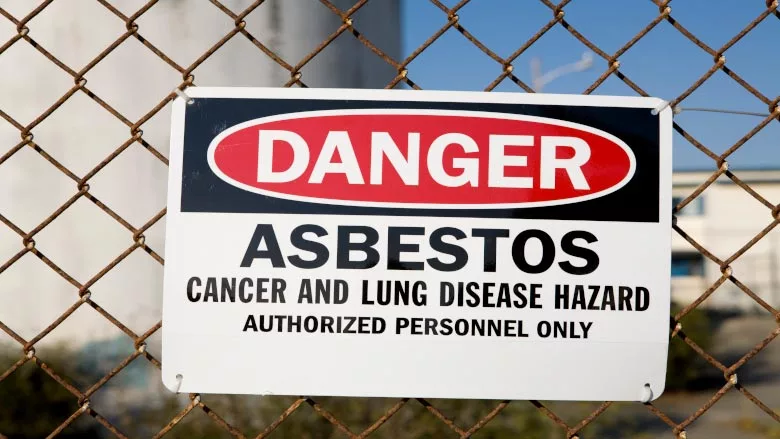
Credit: carterdayne / E+ / Getty Images Plus
In March, the U.S. Environmental Protection Agency (EPA) finalized a rule under the Toxic Substances Control Act (TSCA) to ban the use and import of asbestos — a known carcinogen still presents in some vehicles and industrial facilities in the United States. This was the first chemical banned under a 2016 update to the chemical safety law. The ban targeted chrysotile asbestos, which is the only form currently used or imported in the U.S. and came after the previous Trump administration postponed similar action.
Legal Challenge and Court Stay
Industry groups responded quickly, filing legal challenges and arguing that the ban was too broad and failed to consider existing workplace safety regulations. They echoed arguments made in a successful industry appeal during the late 1980s, which blocked the EPA’s first attempt to ban asbestos. Since then, bipartisan legislation has strengthened TSCA, and the EPA — under the Biden administration — completed a fresh review leading to the 2024 chrysotile ban.
In a significant legal twist, the Fifth U.S. Circuit Court of Appeals granted a stay on these industry challenges at the EPA’s own request. The agency now must conduct a regulatory review mandated by a Trump-era executive order. Industry opponents claim the EPA overstepped by issuing a blanket ban instead of working within established occupational health guidelines, disregarding the scientific consensus that there is no safe level of asbestos exposure. The stay halts litigation and requires the EPA to reconsider the ban in light of the Trump administration’s broader policy priorities, which tend to favor industry concerns over public health. The rule isn't overturned, but its future is uncertain. Depending on the EPA’s review, the regulation could be upheld, amended, or rescinded — potentially reigniting legal disputes and reshaping the future of asbestos regulation in the U.S. For public health advocates and those affected by asbestos-related diseases, the delay represents another hurdle in eliminating this hazardous material.
Although asbestos use has steadily declined in the U.S., and over 50 countries have banned it outright, raw chrysotile asbestos was still imported as recently as 2022 for the chlor-alkali industry. This industry uses asbestos diaphragms to produce sodium hydroxide and chlorine, which are essential for water treatment. Eight such plants remain in operation in the U.S.
EPA Policy Shift
The March 2025 court stay reflects the Trump administration’s approach to regulation: reducing federal oversight to promote economic growth. The executive order at the heart of this review requires federal agencies to revisit major regulations from the past five years, focusing on those affecting domestic energy and industrial competitiveness. This regulatory philosophy stands in stark contrast to overwhelming scientific evidence that asbestos is a deadly carcinogen with no safe exposure level. The EPA’s 2024 ban on chrysotile asbestos, though long overdue, was a critical public health measure that should remain in place.
Recent Changes and EPA’s Next Steps
Recently, the Trump administration announced plans to reconsider the proposed ban on chrysotile asbestos, as revealed in a new court filing. This signals a potential shift in the EPA’s regulatory stance, despite the prior proposal for stricter limits under TSCA. Chrysotile asbestos is mainly used in vehicle brakes, gaskets, and some industrial materials. Although U.S. asbestos use has declined over decades, a complete federal ban has never been enacted. Asbestos exposure is directly linked to mesothelioma, lung cancer, and other severe diseases.
Public health advocates warn that easing restrictions could put lives at risk and reverse progress in workplace safety. The EPA has stated it will review the scientific basis for the ban and consider public input before making a final decision.
Requesting a pause in ongoing litigation, the EPA asked the Fifth Circuit to halt the case for six months to reassess the 2024 rule—though the agency indicated that any regulatory changes could take up to two and a half years. During this time, the EPA will review whether some rule requirements exceeded the mandates of the 2016 TSCA amendments and whether workplace protections should be revised.
EPA’s Plans and Industry Arguments
If the court grants a pause, the EPA will reconsider whether workplace protections in the rule should apply to chemical manufacturers beyond just titanium dioxide producers. For instance, Chemours Co., a titanium dioxide maker, voluntarily disclosed to the EPA its use of asbestos-containing sheet gaskets. Yet, the rule’s worker safety requirements were broadly applied to other chemical producers, despite noted information gaps.
The EPA will also examine whether the bans on asbestos sheet gaskets and chrysotile asbestos for certain chlor-alkali manufacturers went further than the law requires. Chlor-alkali manufacturers can use asbestos-based diaphragms or alternative technologies to produce chlorine and caustic soda. The agency intends to ensure that the rule is based on the best available science, as TSCA requires.
Industry groups — including the American Chemistry Council (ACC) and Olin — plan to challenge whether the EPA properly followed TSCA, and specifically whether asbestos workplace regulation should fall under the Occupational Safety and Health Administration instead. Meanwhile, labor unions and health organizations, led by the Asbestos Disease Awareness Organization (ADAO), argue the EPA’s rule does not do enough to protect workers and the public. Workers at risk include auto mechanics exposed to imported parts with asbestos and factory employees handling asbestos-containing gaskets in industrial equipment.
Key Legal Precedents and Ongoing Case
Both industry and labor petitioners have cited previous Fifth Circuit decisions on asbestos. Industry briefs reference the 1991 Corrosion Proof Fittings v. EPA decision, which overturned a broad asbestos ban because the agency had not chosen the least burdensome regulatory alternative as required by the original 1976 TSCA. That ruling was pivotal in shaping the 2016 TSCA amendments, which removed some regulatory barriers. Labor briefs point to the Fifth Circuit’s Borel v. Fibreboard ruling, where manufacturers were required to disclose risks from foreseeable uses of their products. The current case — Texas Chemistry Council v. EPA, 5th Cir., No. 24-60193 — remains pending, with the EPA’s motion to pause litigation filed on June 16, 2025.
Looking for a reprint of this article?
From high-res PDFs to custom plaques, order your copy today!