Practical Steps to Strengthen Respirator Fit Testing
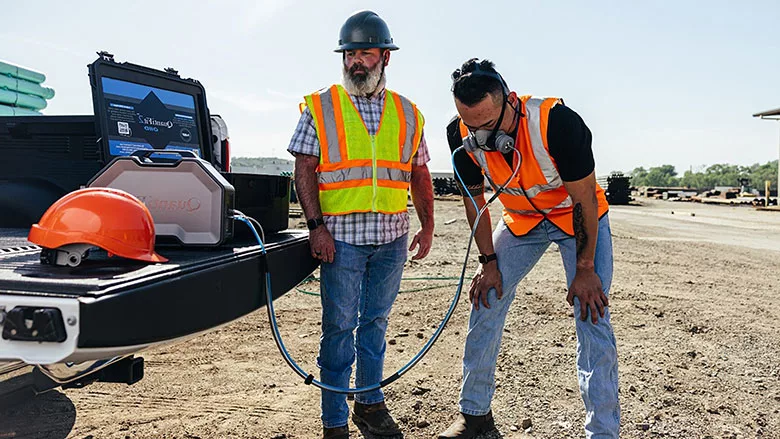
Respiratory hazards remain a persistent concern in industrial environments. Workers may encounter chemical vapors, welding fumes, silica dust, biological aerosols, or other contaminants that pose short- and long-term exposure risks. To protect workers effectively, many organizations issue tight-fitting respirators — and OSHA 29 CFR 1910.134 requires that these respirators be fit tested upon initial use and at least annually.
However, many safety teams still experience challenges implementing fit testing consistently. Common issues include failed tests due to poor preparation, limited respirator sizing availability, inconsistent test procedures, and documentation gaps. Fortunately, improving your fit testing program does not always require complex policy changes. It requires structure, communication, and repeatability.
The following practical steps can be implemented immediately to strengthen respirator fit testing programs across industrial workplaces.
Start with Task-Based Respirator Selection
A fit test is only effective when the correct respirator is being tested for the actual workplace hazard. Before scheduling workers, review the job hazard assessment:
- What airborne contaminants are present?
- What are the exposure levels and frequency?
- What Assigned Protection Factor (APF) is required?
- Should workers be in filtering facepieces, half-face, or full-face elastomeric respirators?
This prevents the common issue of workers being tested on what is available, rather than what is appropriate.
Choose the Fit Testing Method that Matches Risk Level
OSHA permits both qualitative and quantitative fit testing methods, but they are not interchangeable.
| Method | Appropriate For | Strengths | Considerations |
|---|---|---|---|
| Qualitative Fit Testing (QLFT) | Filtering facepieces and half-face respirators up to APF 10 | Simple, low cost, straightforward | Pass/fail only, subjective to worker sensitivity |
| Quantitative Fit Testing (QNFT) | Full-face respirators, tight-fitting PAPRs, SCBA | Numerical fit factor, objective data | Requires instrumentation, more controlled setup |
For lower-risk particulate exposures, QLFT may be sufficient, although QNFT will be more objective and may still be considered. For chemical, high-toxicity, or SCBA applications, QNFT is essential for confidence.
Prepare Workers Before Testing
One of the most preventable causes of failed fit tests is lack of preparation. A short pre-fit education session significantly improves pass rates and reduces retests.
Workers should:
- Be clean shaven where the seal contacts skin
- Avoid smoking, eating, or chewing gum for 15 minutes prior
- Know which respirator make/model/size they use
- Be medically cleared for respirator use
Supervisors should:
- Verify respirator availability and multiple sizes
- Ensure filters, cartridges, adapters, and test solutions are stocked
- Confirm equipment is functioning and protocols are accessible
- A 5-minute briefing can save 30 minutes of rework.
Case Example: Municipal Water Treatment Facility
At a municipal water treatment facility in the Southeast, operators were required to wear half-face and full-face respirators when working around chlorine gas systems and during confined space entry tasks. Despite annual fit testing, the facility noted inconsistent pass rates and worker frustration, especially among newer staff.
When the safety team reviewed the procedure, they identified two improvement opportunities:
- Workers were not receiving respirator user seal check training before testing.
- Only one respirator size was stocked in storage rooms.
By implementing a brief pre-fit demonstration and ensuring each storage location carried at least three sizes, the facility’s fit test pass rate improved from 72% to 91% within one cycle, reducing testing time and improving worker confidence.
This example reinforces that fit testing performance is most often improved through preparation and inventory management.
Standardize the Process with Repeatable Steps
Create a simple step-by-step fit testing procedure accessible to anyone assisting in the process. This may include:
- Explain the purpose of the fit test.
- Demonstrate donning and user seal check.
- Conduct test exercises (movement, bending, etc.).
- Record the model, size, and results.
- Provide storage and maintenance reminders.
- Schedule annual renewal or retest if needed.
- A laminated checklist at the test station is often enough to ensure consistency across shifts and departments.
- Documentation Matters
- Maintain clear records showing:
- Worker name and test date
- Respirator model and size tested
- Fit test method used and result
- Person who conducted the test
- Any notes on refits or training provided
- Well-organized documentation supports OSHA compliance and reduces administrative workload during audits.
Quick Fit Testing Readiness Checklist (Print / Share Internally)
For Workers
☐ Clean-shaven where respirator seals
☐ Completed respirator medical clearance
☐ Know assigned respirator model and size
☐ Can perform user seal check confidently
For Supervisors
☐ Supply includes multiple sizes of required respirators
☐ Filters/cartridges are stocked and not expired
☐ Fit testing equipment is functioning and calibrated
☐ Annual retest reminder is scheduled
Conclusion
A strong fit testing program does more than check a compliance box. It ensures workers are protected, confident, and trained to use equipment correctly. With clear preparation, consistent procedures, and ongoing communication, industrial safety teams can significantly improve fit test outcomes and strengthen overall respiratory protection programs.
Looking for a reprint of this article?
From high-res PDFs to custom plaques, order your copy today!