ISHN logo
search
cart
facebook twitter linkedin youtube
  • Sign In
  • Create Account
  • Sign Out
  • My Account
ISHN logo
  • NEWS
    • Today's News
    • Global Safety News
    • Government Regulations
  • PRODUCTS
    • Product Innovations
    • Featured Products
  • TOPICS
    • Environmental Health and Safety
    • Facility Safety
    • Workplace Health
    • Occupational Safety
    • PPE
    • More Topics
  • CONSTRUCTION
  • TECHNOLOGY
  • COLUMNS
    • Best Practices
    • Dave Johnson: What’s going on
    • Editorial Comments
    • Leading Safety
  • MULTIMEDIA
    • ISHN Podcast
    • Videos
    • Cold Stress Education Quiz
    • Webinars
    • White Papers
  • MORE
    • Buyer's Guide
    • Newsletters
    • Convention Companion
    • Polls
    • Events
    • ISHN Store
    • Sponsor Insights
  • EMAGAZINE
    • eMagazine
    • Archived Issues
    • Contact
    • Advertise
  • JOIN TODAY!
Environmental Health and SafetyFacility Safety

The Role Hygiene Plays in Food Manufacturing Applications
By Zach Thompson
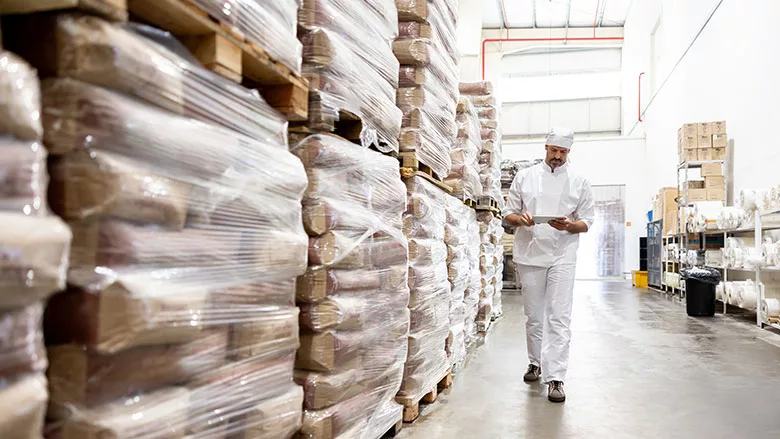
Worker checking inventory in a warehouse aisle.
Photo: Hispanolistic / E+ / Getty Images
June 16, 2026

Hygiene is non-negotiable in today’s food plants. As global supply chains face increased scrutiny, food plants are looking to hygienic plastic pallets to drive cleaner, safer and more efficient operations. Wood pallets are still being used, but this transition to reusable, hygienic solutions is becoming a baseline requirement for maintaining facility cleanliness.

Identifying Plant Cleanliness and Hygiene Pain Points

Today, 90% of companies still utilize wood pallets in their plants, which represents some potential challenges to a hygienic-focused facility. Wood is inherently porous and prone to splintering; the resulting wood chips, dust and debris can get in sensitive areas, potentially slowing or even shutting down automated equipment.

Wood invites moisture, making it a breeding ground for biological contaminants that can compromise an entire production batch. Further, the maintenance costs associated with constantly cleaning wood debris can impact operational margins.

Adhering to Established Pallet Cleanliness and Hygiene Requirements

Pallets used by food customers must meet rigorous cleanliness and hygiene requirements. They must also adhere to the Food Safety Modernization Act (FSMA) and Good Manufacturing Practices (GMP). FSMA, in particular, emphasizes sanitary transportation practices, requiring proper cleaning, maintenance and storage of food-contact surfaces, including pallets. The GMP, meanwhile, are a set of regulatory guidelines and quality standards that ensure products are consistently produced, controlled and documented according to established quality requirements.

To prevent foodborne illness and support contamination control, manufacturers need processes that support high visibility, durable construction and easy sanitization. Reusable plastic pallets, as an example, are designed specifically to meet those needs, keeping both product and plants clean.

The Benefits of Reusable Plastic Pallets

Reusable plastic pallets, manufactured from non-porous, moisture-resistant and easily cleanable FDA-compliant materials, offer an effective alternative to traditional wood pallets. These hygienic solutions feature easy to clean flow-through designs that eliminate hidden cavities where contaminants typically collect. Additionally, they offer these benefits:

  • Dimensional Consistency: Unlike wood, which can warp or change weight when wet, plastic pallets are durable and dimensionally consistent, making them easier to load into trucks and use in equipment. This also ensures repeatable performance in high-speed automated systems, which is vital. According to a World Metrics report, 25% of warehouses globally have adopted some form of automation, with about 30% of these facilities incorporating robotics.
  • Contamination Control: Reusable pallets can be molded in custom colors, making it easier for plant managers to separate raw materials from finished goods. This also helps support allergen management.
  • Enhanced Traceability: Reusable fleets can be tagged and labeled, which ensures that pallet movements are easily tracked and auditable.
  • Physical Hazard Reduction: Eliminating splinters, nails, wood chips, dust and other debris significantly reduces the risk of food product contamination and physical hazards on the shop floor.

Demonstrating ROI and Sustainability

While reusable plastic pallets require an upfront capital investment, they demonstrate a clear Return on Investment (ROI) over their long service life. Light duty pallets have been tested to last from 150-280 cycles, many times longer than wood counterparts.

Reusable plastic pallets also offer a truly circular solution. At the end of their long service life, pallets can be recovered, recycled and reprocessed into other useful products, allowing food manufacturing locations to meet sustainability goals while simultaneously keeping facilities clean. Beyond the reduction in replacement costs, these pallets save on freight and fuel by optimizing truckload fit through consistent sizing.

Transitioning to Reusable Pallets – Best Practices

When considering a shift to a hygienic plastic pallet fleet, businesses should be mindful of the following best practices:

  1. Assess Operational and Supply Chain Needs: Evaluate load capacities, handling methods and then specific types of goods being stored to ensure the pallet design matches the requirements.
  2. Establish Metrics: Define what success looks like – whether it is a reduction in equipment downtime or lower cleaning labor costs and share these milestones across the organization.
  3. Explore services to support your pallet program – Services like cleaning, leasing and pallet management are available, so companies can focus on their core business.
  4. Engage Leadership: Involve all levels of the organization in the decision-making process to ensure the transition aligns with both safety protocols and financial objectives.
  5. Invest in Training: Conduct employee training on proper pallet handling and maintenance, which ensures the assets remain in optimal condition to support operations for years to come.

By prioritizing hygiene and incorporating plastic reusable plastic pallets, food manufacturers can build a more resilient, compliant and efficient supply chain. In this era of rigorous cleanliness and hygiene requirements combined with heightened consumer expectations, reusable plastic pallets can be crucial contributors to protecting against contamination. Investing in hygienic reusable solutions ensures that both your operations and the products they deliver remain safe.

KEYWORDS: food safety manufacturing Supply Chain

Share This Story

Looking for a reprint of this article?
From high-res PDFs to custom plaques, order your copy today!

Zach Thompson is a product development leader focused on reusable packaging solutions for modern supply chains. As a Product Manager at ORBIS Corporation, he helps industries transition from single-use packaging to durable, reusable systems.

Recommended Content

JOIN TODAY
to unlock your recommendations.

Already have an account? Sign In

  • forklift safety

    Exploring the latest technologies in forklift safety

    With more staff and more stock in warehousing now more...
    Facility Safety
    By: Josh Cramer
  • welding

    All about welder’s flash or arc eye

    A flash burn is a painful inflammation of the cornea,...
    Environmental Health and Safety
  • dangerous jobs

    The 10 most dangerous jobs in the U.S.

    On-the-job deaths have been rising — hitting the highest...
    Construction Industry Safety and Health
    By: Benita Mehta
Manage My Account
  • eMagazine Subscriptions
  • ISHN Newsletter & Other Newsletter Alerts
  • Online Registration
  • Manage My Preferences
  • Subscription Customer Service

More Videos

Sponsored Content

Sponsored Content is a special paid section where industry companies provide high quality, objective, non-commercial content around topics of interest to the ISHN audience. All Sponsored Content is supplied by the advertising company and any opinions expressed in this article are those of the author and not necessarily reflect the views of ISHN or its parent company, BNP Media. Interested in participating in our Sponsored Content section? Contact your local rep!

close
  • man wearing the the Sundström SR200 Full Face Mask Respirator
    Sponsored byOHD

    5 Fit Testing Mistakes That Could Cost You

  • This image shows Magid AcuSpex polarized blue mirrored safety glasses.
    Sponsored byMagid Glove and Safety

    Construction PPE Guide: What Crews Need for Each Task

  • lone worker in confined space
    Sponsored byAlphasense Ltd.

    GET THE LEAD OUT of your Safety Oxygen Sensors!

Popular Stories

SpaceX 7 launch

OSHA Investigating Fatal Fall at SpaceX Starbase

Automated loading dock equipment

After March 2026 Rivian Death, Safety Managers Reassess Loading Dock Systems Under OSHA's Warehouse Emphasis Program

psychology in the workplace

Most Workplaces Measure Psychological Safety, Ignoring Psychosocial Risks

top 10 most dangerous jobs

Poll

Seasonal Readiness

With the federal heat stress prevention rule on the horizon, which area of your safety program needs the most attention?
View Results Poll Archive

Products

Surviving an OSHA Audit A Management Guide, 2nd Edition

Surviving an OSHA Audit A Management Guide, 2nd Edition

See More Products

ISHN Podcasts

Related Articles

  • safety professional meeting with project manager

    The Role Belief Plays in Risk Management

    See More
  • ISHN0517_F6_pic.jpg

    Hazards in food & beverage manufacturing are found in many workplaces

    See More
  • food and beverage manufacturing

    Proper PPE combats high rate of injuries in food and beverage manufacturing

    See More

Related Products

See More Products
  • 9781498773416.jpg

    The Legal Aspects of Industrial Hygiene and Safety

  • industrial hy.jpg

    Industrial Hygiene: Improving Worker Health through an Operational Risk Approach

  • ISHN Instrument & Controls Industrial Hygiene Buyers Guide

See More Products

Related Directories

  • American Industrial Hygiene Assn. (AIHA)

    AIHA is the association for scientists and professionals committed to preserving and ensuring occupational and environmental health and safety in the workplace and community. We support our members with our expertise, networks, comprehensive education programs, and other products and services that help them maintain the highest professional and competency standards.
×

Become a Leader in Safety Culture

Build your knowledge with ISHN, covering key safety, health and industrial hygiene news, products, and trends.

JOIN TODAY
  • RESOURCES
    • Advertise
    • Contact Us
    • Directories
    • Manufacturing Division
    • Store
    • Want More
  • SIGN UP TODAY
    • Create Account
    • eMagazine
    • Newsletters
    • Customer Service
    • Manage Preferences
  • SERVICES
    • Marketing Services
    • Reprints
    • Market Research
    • List Rental
    • Survey/Respondent Access
  • STAY CONNECTED
    • LinkedIn
    • Facebook
    • YouTube
    • X (Twitter)
  • PRIVACY
    • PRIVACY POLICY
    • TERMS & CONDITIONS
    • DO NOT SELL MY PERSONAL INFORMATION
    • PRIVACY REQUEST
    • ACCESSIBILITY

Copyright ©2026. All Rights Reserved BNP Media, Inc. and BNP Media II, LLC.

Design, CMS, Hosting & Web Development :: ePublishing