ISHN logo
search
cart
facebook twitter linkedin youtube
  • Sign In
  • Create Account
  • Sign Out
  • My Account
ISHN logo
  • NEWS
    • Today's News
    • Global Safety News
    • Government Regulations
  • PRODUCTS
    • Product Innovations
    • Featured Products
  • TOPICS
    • Environmental Health and Safety
    • Facility Safety
    • Workplace Health
    • Occupational Safety
    • PPE
    • More Topics
  • CONSTRUCTION
  • TECHNOLOGY
  • COLUMNS
    • Best Practices
    • Dave Johnson: What’s going on
    • Editorial Comments
    • Leading Safety
  • MULTIMEDIA
    • ISHN Podcast
    • Videos
    • Cold Stress Education Quiz
    • Webinars
    • White Papers
  • MORE
    • Buyer's Guide
    • Newsletters
    • Convention Companion
    • Polls
    • Events
    • ISHN Store
    • Sponsor Insights
  • EMAGAZINE
    • eMagazine
    • Archived Issues
    • Contact
    • Advertise
  • JOIN TODAY!

Senior leaders in safety

February 28, 2003
Last month, in the first of this series of three articles, we discussed how the behavior of senior leadership contributes to high performance in safety. Through what they choose to focus on, and their everyday actions, senior leaders can strengthen your organization's culture in ways that drive performance. Now let's build on this connection. What are the steps senior leaders need to take to foster the cultural characteristics leading to superior performance in safety?

Tools & skills

Managers make sure the right things happen at the right time to meet objectives. Leaders ensure that the overall culture is conducive to high performance. A body of research shows nine cultural characteristics are key. These are:

1) Teamwork - the effectiveness of workgroups in meeting targets and deadlines.

2) Workgroup relations - the degree to which co-workers respect each other.

3) Procedural justice - the level that workers rate the fairness of first-level supervisors.

4) Perceived support - the level to which employees feel the organization is concerned for their overall well-being.

5) Leader-member exchange - the strength of relationships that workers feel they have with their supervisors.

6) Management credibility - the perception of consistency and fairness of management in dealing with workers.

7) Organizational value for safety - the level of the organization's overall commitment to safety.

8) Upward communication - the adequacy of upward messages about safety.

9) Approaching others - the probability that workers will speak to each other about performance issues.

To impact these cultural "positives," leaders must create and recognize natural opportunities, and then seize on them to apply the proper tools. The three steps outlined below will help leaders develop those capabilities - and build a strong safety culture.

1) Define your culture

A good place to begin is to examine the current functioning of your organizational culture. Draw on the nine characteristics of high-performing organizations. Use this assessment as a blueprint, then define your desired culture in terms that are measurable and attainable.

Start with broad goals and break them down into specific terms. In the case of management credibility, that might be defining a culture where managers consistently follow through on commitments, where supervisors demonstrate fairness in personnel decisions, and where managers hold themselves to the same standards and expectations as their reports.

2) Connect to outcomes

With a clear picture of both the current and desired culture, leaders connect their own behaviors to the targeted outcomes to initiate improvements. Each organization has a chain of influence that runs from the corporate office to the shop floor. Leaders connect to the shop floor through the chain of command - supervisors and managers.

Leaders must ask: What needs to happen at each level for the desired outcomes to occur? For instance, if you want a high level of upward communication, shop floor employees must consistently communicate safety and performance concerns to supervisors. To make this a common practice, supervisors must be willing to listen, use information provided, and give positive feedback to employee communications. But for supervisors to do these things consistently, their managers also have things they must do.

3) Apply improvement tools

When leaders have mapped out the chain of behaviors that connect them to outcomes, they can apply a variety of tools to initiate improvement. Tools are directed not only at modeling desirable behaviors, but also at removing the barriers to performing them at every level.

Leaders make significant contributions to the safety performance of their organizations by leveraging their own actions to create a high-performing culture. As they build up performance levels in safety, they also build a culture that sustains improved performance across functions. In the next issue, we'll present examples of how real-world leaders use this approach to change the culture that drives their performance outcomes.

SIDEBAR: What is culture, anyway?

The word "culture" connotes something vague and hard to measure. In reality, culture comes down to "how we do things around here."

When we talk about a site having a culture of mistrust, we mean that people in the organization do not readily share information or cooperate. They tend to keep their cards close to their vests and act in other self-protective and sometimes hostile ways.

If we say that a site has a culture of teamwork, we see employees collaborating with each other on projects and consistently meeting deadlines. Culture, it turns out, is manifested by the way people do things.

Share This Story

Looking for a reprint of this article?
From high-res PDFs to custom plaques, order your copy today!

Recommended Content

JOIN TODAY
to unlock your recommendations.

Already have an account? Sign In

  • forklift safety

    Exploring the latest technologies in forklift safety

    With more staff and more stock in warehousing now more...
    Facility Safety
    By: Josh Cramer
  • welding

    All about welder’s flash or arc eye

    A flash burn is a painful inflammation of the cornea,...
    Environmental Health and Safety
  • dangerous jobs

    The 10 most dangerous jobs in the U.S.

    On-the-job deaths have been rising — hitting the highest...
    Occupational Safety
    By: Benita Mehta
Manage My Account
  • eMagazine Subscriptions
  • ISHN Newsletter & Other Newsletter Alerts
  • Online Registration
  • Manage My Preferences
  • Subscription Customer Service

More Videos

Sponsored Content

Sponsored Content is a special paid section where industry companies provide high quality, objective, non-commercial content around topics of interest to the ISHN audience. All Sponsored Content is supplied by the advertising company and any opinions expressed in this article are those of the author and not necessarily reflect the views of ISHN or its parent company, BNP Media. Interested in participating in our Sponsored Content section? Contact your local rep!

close
  • man wearing the the Sundström SR200 Full Face Mask Respirator
    Sponsored byOHD

    5 Fit Testing Mistakes That Could Cost You

  • This image shows Magid AcuSpex polarized blue mirrored safety glasses.
    Sponsored byMagid Glove and Safety

    Construction PPE Guide: What Crews Need for Each Task

  • lone worker in confined space
    Sponsored byAlphasense Ltd.

    GET THE LEAD OUT of your Safety Oxygen Sensors!

Popular Stories

SpaceX 7 launch

OSHA Investigating Fatal Fall at SpaceX Starbase

Automated loading dock equipment

After March 2026 Rivian Death, Safety Managers Reassess Loading Dock Systems Under OSHA's Warehouse Emphasis Program

psychology in the workplace

Most Workplaces Measure Psychological Safety, Ignoring Psychosocial Risks

top 10 most dangerous jobs

Poll

Seasonal Readiness

With the federal heat stress prevention rule on the horizon, which area of your safety program needs the most attention?
View Results Poll Archive

Products

Surviving an OSHA Audit A Management Guide, 2nd Edition

Surviving an OSHA Audit A Management Guide, 2nd Edition

See More Products

ISHN Podcasts

Related Articles

  • The role of senior leaders in safety performance

    See More
  • Senior leaders in safety

    See More
  • Senior leaders must buy-in to fatigue management programs

    See More

Related Products

See More Products
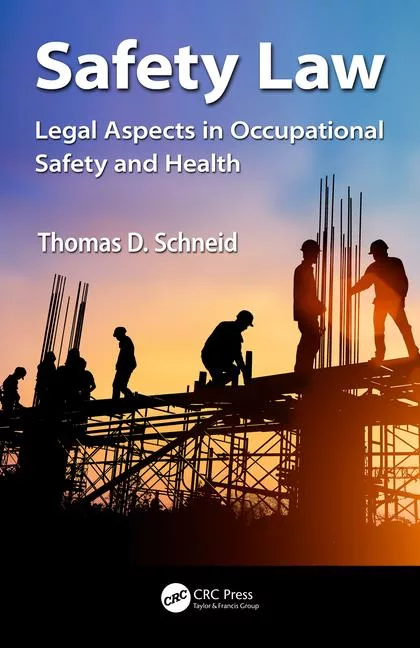
  • safety law.jpg

    Safety Law: Legal Aspects in Occupational Safety and Health

See More Products

Related Directories

  • Safe Site Check In LLC

    Make Jobsite Management Easy(™). Safe Site Check In saves jobsite safety, super, project, and cost managers hours a day including: Digital badging, onboarding & training, Safety screening, Daily log creation Safety JSA, EAP, SDS Project management integration, Subcontractor management, Remote site monitoring, Worker profiles, Incident investigations.
×

Become a Leader in Safety Culture

Build your knowledge with ISHN, covering key safety, health and industrial hygiene news, products, and trends.

JOIN TODAY
  • RESOURCES
    • Advertise
    • Contact Us
    • Directories
    • Manufacturing Division
    • Store
    • Want More
  • SIGN UP TODAY
    • Create Account
    • eMagazine
    • Newsletters
    • Customer Service
    • Manage Preferences
  • SERVICES
    • Marketing Services
    • Reprints
    • Market Research
    • List Rental
    • Survey/Respondent Access
  • STAY CONNECTED
    • LinkedIn
    • Facebook
    • YouTube
    • X (Twitter)
  • PRIVACY
    • PRIVACY POLICY
    • TERMS & CONDITIONS
    • DO NOT SELL MY PERSONAL INFORMATION
    • PRIVACY REQUEST
    • ACCESSIBILITY

Copyright ©2026. All Rights Reserved BNP Media, Inc. and BNP Media II, LLC.

Design, CMS, Hosting & Web Development :: ePublishing