ISHN logo
search
cart
facebook twitter linkedin youtube
  • Sign In
  • Create Account
  • Sign Out
  • My Account
ISHN logo
  • NEWS
    • Today's News
    • Global Safety News
    • Government Regulations
  • PRODUCTS
    • Product Innovations
    • Featured Products
  • TOPICS
    • Environmental Health and Safety
    • Facility Safety
    • Workplace Health
    • Occupational Safety
    • PPE
    • More Topics
  • CONSTRUCTION
  • TECHNOLOGY
  • COLUMNS
    • Best Practices
    • Dave Johnson: What’s going on
    • Editorial Comments
    • Leading Safety
  • MULTIMEDIA
    • ISHN Podcast
    • Videos
    • Cold Stress Education Quiz
    • Webinars
    • White Papers
  • MORE
    • Buyer's Guide
    • Newsletters
    • Convention Companion
    • Polls
    • Events
    • ISHN Store
    • Sponsor Insights
  • EMAGAZINE
    • eMagazine
    • Archived Issues
    • Contact
    • Advertise
  • JOIN TODAY!
Columns

PETERSEN'S PAGE: Building a safety culture

May 1, 2005
Building a positive safety culture in an organization starts with leadership — a leader (or leaders) perceives the status quo is not good enough — the way things are can and must be improved. The impetus for change is more often personal than financial, it seems.

Then it becomes essential to define current reality in the organization — where do we stand today in each aspect of the safety effort — where are the strengths and weaknesses?

In making these assessments, people at each level of the organization need to be surveyed, for there are usually vast differences of opinion at the different levels.

Once reality is determined, the organization and its leaders can assess the chasm between today and the vision of where the organization should be. In earlier articles, it was suggested some criteria for safety excellence based upon research. One large study of a number of excellent companies suggested these categories as important:

Safety leadership

  • Roles and responsibilities should be clearly defined for everyone from the CEO to the line supervisor.

  • For each important corporate safety initiative, identify a safety champion among top corporate managers and task them with driving that initiative.

  • Ownership by senior management of safety programs and performance should be visible to the organization. Active accountability can be demonstrated through discussion of performance with peers at management review meetings.

    Safety performance – incentive/recognition/counseling

  • Leaders in safety performance use metrics to effectively drive their continuous improvement efforts. Leading indicators are used to predict changes in safety performance. Monitor safety performance versus program implementation at all times.

  • Performance targets are well defined and clearly communicated. The targets challenge the organization to continuously improve. The best companies review and reset expectations according to feedback from employees, managers, the performance metrics, and their competition.

  • Safety performance is rewarded and tied to compensation and/or operating budgets.

  • Discipline is assessed consistently according to well-developed guidelines.

    Communicating/sharing of information

  • Companies that are leaders in safety communication solicit feedback from the recipients of safety information; they put senior managers on the plant floor to ask questions.

    Training for safety

  • Track training requirements to determine the status of training needs and level of compliance.

  • The leader in training solicits feedback from course attendees and the course sponsor. Safety training is evaluated at the time of information delivery as well as after the fact.

  • Behavior observations are used to indicate whether attendees retained the information presented in the training program. Observations are documented and used to modify the training program if needed.

    The current crop

    In looking at the safety systems present in organizations today, they seem to fall into a number of types:

    1) Build a culture. In the “right” culture behaviors will be appropriate. This is perhaps the least-used approach and the only one that makes real sense — to start by building a safety culture and then building the system elements that fit your culture and your management philosophy and systems.

    2) Comply with the government’s definition of a safety program. The government has provided a model program, so just do it. A common approach (required in some states). If you believe the government knows your company, your culture, your people better than you, your management and your people do, it could make sense, but it does fly in the face of much research that says there is no one right way.

    3) Buy a packaged program. There are plenty out there — from the state, the federal government, from consultants, on the Internet. Are they right for you? Do they fit your culture? You decide.

    4) Use a behavior-based approach. Concentrate on employee behaviors by defining desired behaviors and observing employees (measuring the behaviors). This has been popular for the last ten or more years, but perhaps is now fading a bit as the behavioral people have shifted their emphasis to management, leadership, accountability, culture, etc.

    5) Do what has always been done (whatever that may be). Still the most popular approach and the least valuable in terms of results.

    6) Do nothing. Perhaps no serious loss (or losses) will occur and perhaps OSHA will not appear. Also extremely popular — and very easy to do.

    Of the above six approaches, only #1 makes sense — to assess your culture today, to determine where you would like it to be, and then take the steps to get there.

  • Share This Story

    Looking for a reprint of this article?
    From high-res PDFs to custom plaques, order your copy today!

    Recommended Content

    JOIN TODAY
    to unlock your recommendations.

    Already have an account? Sign In

    • forklift safety

      Exploring the latest technologies in forklift safety

      With more staff and more stock in warehousing now more...
      Facility Safety
      By: Josh Cramer
    • welding

      All about welder’s flash or arc eye

      A flash burn is a painful inflammation of the cornea,...
      Environmental Health and Safety
    • dangerous jobs

      The 10 most dangerous jobs in the U.S.

      On-the-job deaths have been rising — hitting the highest...
      Government Safety Regulations
      By: Benita Mehta
    Manage My Account
    • eMagazine Subscriptions
    • ISHN Newsletter & Other Newsletter Alerts
    • Online Registration
    • Manage My Preferences
    • Subscription Customer Service

    More Videos

    Sponsored Content

    Sponsored Content is a special paid section where industry companies provide high quality, objective, non-commercial content around topics of interest to the ISHN audience. All Sponsored Content is supplied by the advertising company and any opinions expressed in this article are those of the author and not necessarily reflect the views of ISHN or its parent company, BNP Media. Interested in participating in our Sponsored Content section? Contact your local rep!

    close
    • man wearing the the Sundström SR200 Full Face Mask Respirator
      Sponsored byOHD

      5 Fit Testing Mistakes That Could Cost You

    • This image shows Magid AcuSpex polarized blue mirrored safety glasses.
      Sponsored byMagid Glove and Safety

      Construction PPE Guide: What Crews Need for Each Task

    • lone worker in confined space
      Sponsored byAlphasense Ltd.

      GET THE LEAD OUT of your Safety Oxygen Sensors!

    Popular Stories

    SpaceX 7 launch

    OSHA Investigating Fatal Fall at SpaceX Starbase

    Worker Impairment

    How to Tell When a Co-Worker is Impaired? A Safety Pro’s Challenge

    Automated loading dock equipment

    After March 2026 Rivian Death, Safety Managers Reassess Loading Dock Systems Under OSHA's Warehouse Emphasis Program

    top 10 most dangerous jobs

    Poll

    Seasonal Readiness

    With the federal heat stress prevention rule on the horizon, which area of your safety program needs the most attention?
    View Results Poll Archive

    Products

    Surviving an OSHA Audit A Management Guide, 2nd Edition

    Surviving an OSHA Audit A Management Guide, 2nd Edition

    See More Products

    ISHN Podcasts

    Related Articles

    • Building a safety culture

      See More
    • 5 steps to building a safety culture

      See More
    • Grainger releases white paper on building a sustainable safety culture in time for National Safety Month

      See More

    Related Products

    See More Products
    • 1119772133.jpg

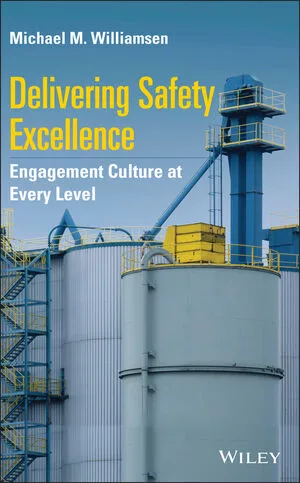
      Delivering Safety Excellence: Engagement Culture at Every Level

    • 9780367861148.jpg

      LEAD Safety A Practical Handbook for Frontline Supervisors and Safety Practitioners

    • 9781138749573.jpg

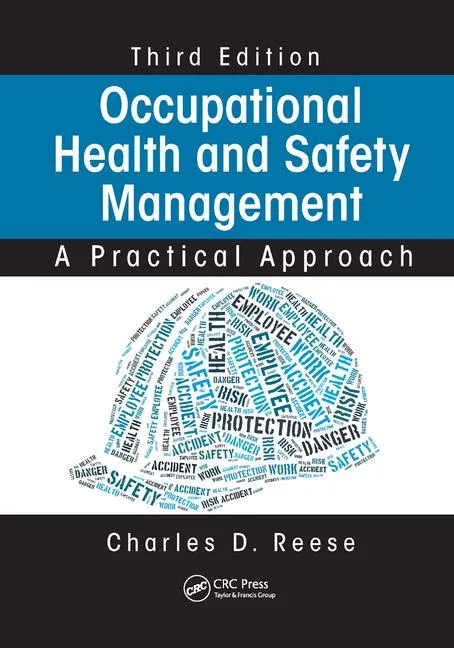
      Occupational Health and Safety Management: A Practical Approach, Third Edition

    See More Products

    Related Directories

    • Florida Chamber Safety Council

      With vision and strategy guided by a Statewide Leadership Advisory Board, the Florida Chamber Safety Council is creating national standards for workplace safety, implementing first-in-the-nation programs to prevent injuries, reduce operational costs, and improve production, performance, and corporate safety culture.
    ×

    Become a Leader in Safety Culture

    Build your knowledge with ISHN, covering key safety, health and industrial hygiene news, products, and trends.

    JOIN TODAY
    • RESOURCES
      • Advertise
      • Contact Us
      • Directories
      • Manufacturing Division
      • Store
      • Want More
    • SIGN UP TODAY
      • Create Account
      • eMagazine
      • Newsletters
      • Customer Service
      • Manage Preferences
    • SERVICES
      • Marketing Services
      • Reprints
      • Market Research
      • List Rental
      • Survey/Respondent Access
    • STAY CONNECTED
      • LinkedIn
      • Facebook
      • YouTube
      • X (Twitter)
    • PRIVACY
      • PRIVACY POLICY
      • TERMS & CONDITIONS
      • DO NOT SELL MY PERSONAL INFORMATION
      • PRIVACY REQUEST
      • ACCESSIBILITY

    Copyright ©2026. All Rights Reserved BNP Media, Inc. and BNP Media II, LLC.

    Design, CMS, Hosting & Web Development :: ePublishing