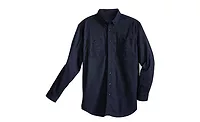
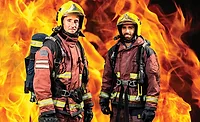
Flame-resistant clothing
You may be taking a first look or a closer look at flame-resistant (FR) clothing for a simple reason: Legal regulations and voluntary industry safety standards encompassing personal protective equipment (PPE) are becoming more exact and pervasive. NFPA 70E, a national consensus standard that establishes safety guidelines for workers exposed to electrical hazards, is a prime example. 70E is driving changes across numerous businesses and facilities where employees access electrical systems and energized components. Many sites contain a variety of electrical work hazards, illustrating the increasing call for FR clothing.
When it comes to FR protection, you have to ask two questions:
1. Does my company have employees that need to be in FR clothing?
And, if so…
2. How do we comply with industry regulation or standards?
An electric arc flash is the passage of substantial electrical current through ionized air, created by an electric fault. Typically lasting less than one second, an arc flash explosion generates extremely high radiant heat and releases acoustical energy, a pressure wave and molten debris. Temperatures can reach 35,000°F.
Arc flash is an obvious concern at electrical utilities; however, exposed electrical equipment at 50 volts and above is the threshold that requires the use of NFPA 70E’s electrical safety practices. Most manufacturers have employees whose work falls under this description.
For example, with electric arc flash type hazards you must perform a Flash Hazard Analysis of your facility. This is a difficult and often time-consuming job. It can be accomplished in several ways including the following:
• Have an inside electrical resource perform the analysis using NFPA 70E formulas. This includes a comprehensive evaluation of each electrical task likely to be performed. There is software available to assist, but you must have the data for each task to input.
• A second method is to match each of the electrical tasks to one of the task tables in NFPA 70E. Again, you must be knowledgeable enough to determine where your tasks match the tables.
• A third alternative is to hire an outside expert to perform the analysis for you. This is the easiest and likely the most comprehensive action, but probably the most expensive.
1. Identify hazard type – either flash fire or electric arc flash. This review will not only determine the presence of potential hazards, but will guide your ultimate choice in FR clothing regarding materials, hazard ratings and product types.
2. Review the applicable standard for your hazard. There may be new standards applicable to your industry or the hazard present. Double-check.
3. Determine the level of protection needed. FR garments are rated based on the protection they provide, typically measured in calories (heat energy) applied per square centimeter of surface area. Using garments of insufficient ratings has understandably negative consequences. Conversely, using garments rated higher than your hazards dictate can subject workers to unnecessary discomfort and impose added costs on your company.
4. Research the various PPE offerings available to meet your needs. There are many different types of FR fabrics providing the foundation for finished garments. Garments themselves come in a multitude of cuts, colors and configurations. Comfort, durability, price and service support should be considered.
5. Evaluate the various garments through wear trials, peer references, safety committees, etc. Fabric manufacturers, garment manufacturers, uniform supply companies and others in the FR sales chain have plenty of data to help you decide. Safety organizations are also excellent sources of information.
6. Install an FR garment program in which the required PPE is made available for each affected employee. This can be either directly purchased by the employer and provided to the employees or rented from an industrial laundering company and coordinated by them.
7. Train employees on safe work practices and proper use of PPE.
General Duty Clause – Section 5(a)(1) of the Occupation Safety and Health Act of 1970
OSHA 1910.132 “Personal Protective Equipment”
OSHA 1910.269 “Electric Power Generation, Transmission, and Distribution”
OSHA 1910.335 “Electrical Safety Related Work Practices”
National consensus standards that apply:
NFPA 2112 “Standard on Flame-Resistant Garments for Protection of Industrial Personnel Against Flash Fire”
NFPA 70E “Standard for Electrical Safety in the Workplace”
NESC “National Electric Safety Code”
When it comes to FR protection, you have to ask two questions:
1. Does my company have employees that need to be in FR clothing?
And, if so…
2. How do we comply with industry regulation or standards?
Two primary hazards
FR clothing is designed to protect workers from two specific types of hazards: flash fire and electric arc flash. A flash fire is a rapidly spreading fire caused by igniting an atmosphere derived from hydrocarbon vapors of an ignitable liquid or finely divided combustible particles (e.g., coal dust or grain) in a concentration exceeding the chemical’s lower explosive limit. Temperatures can reach 1,000°F to 1,900°F. Flash fire is a primary hazard in industries that create a combustible material as a product or byproduct, such as petrochemical or metallurgy.An electric arc flash is the passage of substantial electrical current through ionized air, created by an electric fault. Typically lasting less than one second, an arc flash explosion generates extremely high radiant heat and releases acoustical energy, a pressure wave and molten debris. Temperatures can reach 35,000°F.
Arc flash is an obvious concern at electrical utilities; however, exposed electrical equipment at 50 volts and above is the threshold that requires the use of NFPA 70E’s electrical safety practices. Most manufacturers have employees whose work falls under this description.
Standards help
Consensus standards play an important role in helping safety pros meet safety standards. While OSHA regulations focus on the “what” that needs to be done, industry best practices can provide companies the methodology for the “how” to address safety issues.For example, with electric arc flash type hazards you must perform a Flash Hazard Analysis of your facility. This is a difficult and often time-consuming job. It can be accomplished in several ways including the following:
• Have an inside electrical resource perform the analysis using NFPA 70E formulas. This includes a comprehensive evaluation of each electrical task likely to be performed. There is software available to assist, but you must have the data for each task to input.
• A second method is to match each of the electrical tasks to one of the task tables in NFPA 70E. Again, you must be knowledgeable enough to determine where your tasks match the tables.
• A third alternative is to hire an outside expert to perform the analysis for you. This is the easiest and likely the most comprehensive action, but probably the most expensive.
Match hazard with clothing
The process of correlating hazards to appropriate FR clothing often goes as follows:1. Identify hazard type – either flash fire or electric arc flash. This review will not only determine the presence of potential hazards, but will guide your ultimate choice in FR clothing regarding materials, hazard ratings and product types.
2. Review the applicable standard for your hazard. There may be new standards applicable to your industry or the hazard present. Double-check.
3. Determine the level of protection needed. FR garments are rated based on the protection they provide, typically measured in calories (heat energy) applied per square centimeter of surface area. Using garments of insufficient ratings has understandably negative consequences. Conversely, using garments rated higher than your hazards dictate can subject workers to unnecessary discomfort and impose added costs on your company.
4. Research the various PPE offerings available to meet your needs. There are many different types of FR fabrics providing the foundation for finished garments. Garments themselves come in a multitude of cuts, colors and configurations. Comfort, durability, price and service support should be considered.
5. Evaluate the various garments through wear trials, peer references, safety committees, etc. Fabric manufacturers, garment manufacturers, uniform supply companies and others in the FR sales chain have plenty of data to help you decide. Safety organizations are also excellent sources of information.
6. Install an FR garment program in which the required PPE is made available for each affected employee. This can be either directly purchased by the employer and provided to the employees or rented from an industrial laundering company and coordinated by them.
7. Train employees on safe work practices and proper use of PPE.
SIDEBAR: Applicable regs & standards
OSHA mandates that govern the use of FR clothing:General Duty Clause – Section 5(a)(1) of the Occupation Safety and Health Act of 1970
OSHA 1910.132 “Personal Protective Equipment”
OSHA 1910.269 “Electric Power Generation, Transmission, and Distribution”
OSHA 1910.335 “Electrical Safety Related Work Practices”
National consensus standards that apply:
NFPA 2112 “Standard on Flame-Resistant Garments for Protection of Industrial Personnel Against Flash Fire”
NFPA 70E “Standard for Electrical Safety in the Workplace”
NESC “National Electric Safety Code”
Looking for a reprint of this article?
From high-res PDFs to custom plaques, order your copy today!