PPE for disaster workers
On April 20 the world watched in disbelief as the Deepwater Horizon drilling rig exploded and burned, leaking millions of gallons of oil into the Gulf of Mexico. But this disaster is only one of many that have struck the world during recent months. There was the earthquake that devastated Haiti in January, the April tornadoes that wiped out communities in Oklahoma and the record-breaking floods that tore apart Nashville and other regions of the South in May.
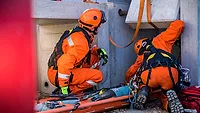
When confronting the aftermath of a disaster, having the appropriate PPE in stock allows first responders and other emergency personnel to act immediately. This advance preparation ensures that our emergency teams are properly protected as they begin the monumental task of rescuing victims and clearing away debris.
Disaster response stages
When disaster strikes, emergency personnel typically become involved in one or more of the following stages of response:Assessment – Authorities evaluate the situation, determine the extent of the damage and identify the next steps.
Search and rescue – Emergency personnel and local officials locate and rescue victims.
Demolition and cleanup – Workers remove debris and demolish and clear away severely damaged structures. This often involves exposure to sharp-edged materials such as wood, metal, concrete and glass. When flooding is involved, workers must also deal with mold remediation and chemical removal. Providing the right protection
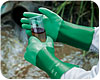
The type of PPE emergency workers require depends on the disaster and the extent of the damage. Because nitrile gloves are durable and resist a number of common chemicals, in most instances they will protect workers in a variety of disaster-related applications During situations such as hurricanes and floods, workers require gloves that not only resist fluids but also protect against sharp objects such as jagged tree limbs and broken glass. To meet these challenges, nitrile gloves are available with knit linings that increase the product’s cut resistance.
Chemical-resistant gloves and clothing will protect workers against most chemicals and pollutants found in floodwaters, including E. coli bacteria, and will also protect against other substances found in floodwaters, such as asbestos. Gloves used to handle asbestos should be immediately disposed of or thoroughly washed to prevent the substance from drying and being released into the air.
Petroleum products present during an oil spill and flooding can cause latex kitchen and surgical gloves to deteriorate. For this reason it is important to select oil-resistant gloves in these types of applications.
Glove and apparel recommendations
Below is a list of disaster-related tasks with recommendations for gloves and apparel that will help keep emergency personnel and volunteers safe. These recommendations should be considered general guidelines and are by no means specific, exclusive or all-inclusive.First response and assessment; emergency rescue in dry conditions:
Tasks: Provide medical assistance and first aid.
Hazards: Bacteria, viruses, blood pathogens and other biohazards.
Gloves to use: Exam grade gloves are recommended. Several options exist depending on circumstances, and, in some cases, personal preference. These include lightly powdered disposable nitrile, powderfree disposable nitrile, latex-free polycholoroprene exam gloves, powdered latex smooth-finish exam gloves and powder-free latex textured-finish exam gloves.
Clothing to use: Vinyl; PVC heavy-duty aprons, suits, coveralls, overalls and jackets.
First response during hurricanes, floods and water-related disasters such as the recent oil rig explosion:
Tasks: Evaluate damage, search for victims in wet conditions with submerged debris.
Hazards: Bacteria, viruses and other biohazards, oils and hazardous chemicals, materials that cut and/ or puncture.
Gloves to use: Heavy-duty nitrile- or neoprenecoated fabric (preferably Kevlar® blends), neoprene with a thermal layer, heavy-duty PVC.
Clothing to use: Vinyl; PVC heavy-duty aprons, suits, coveralls, overalls and jackets.
Recovery of human and animal remains:
Tasks: Locate deceased victims, remove animal carcasses.
Hazards: Bacteria (such as E. coli), viruses, blood pathogens and other biohazards.
Gloves to use: Nitrile, nitrile with a cut-resistant Kevlar lining.
Clothing to use: Vinyl; PVC heavy-duty aprons, suits, coveralls, overalls and jackets.
Wildlife and domestic animal rescue:
Tasks: Save injured animals and fowl.
Hazards: Bacteria, viruses, blood pathogens and other biohazards.
Gloves to use: Nitrile, nitrile exam. Clothing to use: Vinyl, PVC aprons, suits, coveralls and overalls.
Hazardous materials cleanup:
Tasks: Clear out chemicals, human waste, mildew, mold and sludge.
Hazards: Chemicals, bacteria and other biohazards; mold and mildew.
Gloves to use: Flat-film laminate, nitrile, neoprene.
Clothing to use: Polyester CPC suits, overalls, coveralls.
Debris cleanup in dry conditions, demolition:
Tasks: Handle and remove wood, glass, metal and concrete.
Hazards: Sharp edges; materials that cut, abrade and puncture.
Gloves to use: Nitrile, foam nitrile-coated, rubberor nitrile-coated.
Clothing to use: Hycar heavy-duty aprons, overalls and coveralls; denim.
Debris removal in wet conditions:
Tasks: Handle and remove wood, glass, metal and concrete.
Hazards: Contaminated water, sharp edges; materials that cut, abrade and puncture.
Gloves to use: Nitrile, rubber-coated products with a Kevlar lining, neoprene-coated heavy-duty PVC.
Clothing to use:
PVC jackets, suits and overalls.
Rebuilding and construction:
Tasks: Renovate structures, undertake new construction.
Hazards: Sharp edges; objects and materials that cut, abrade and puncture.
Gloves to use: Nitrile-coated, foam nitrile-coated with Kevlar lining, rubber-coated.
Clothing to use: Hycar heavy-duty aprons, overalls, coveralls, denim.
Provision of food and supplies:
Tasks: Prepare and serve food.
Hazards: Bacteria (such as E. coli), oils and possible contaminants on hands or food.
Gloves to use: Powdered latex exam, powderfree latex exam, disposable latex, nitrile-coated; thermal-insulated and coated thermal-insulated gloves as needed.
Clothing to use: Vinyl aprons for medium/heavy duty splash protection.
Comfort is essential when individuals perform physically demanding tasks for long periods of time. For this reason workers will likely prefer comfortable apparel with long sleeves and full-length pants under the protective PVC garments.
Looking for a reprint of this article?
From high-res PDFs to custom plaques, order your copy today!