ISHN logo
search
cart
facebook twitter linkedin youtube
  • Sign In
  • Create Account
  • Sign Out
  • My Account
ISHN logo
  • NEWS
    • Today's News
    • Global Safety News
    • Government Regulations
  • PRODUCTS
    • Product Innovations
    • Featured Products
  • TOPICS
    • Environmental Health and Safety
    • Facility Safety
    • Workplace Health
    • Occupational Safety
    • PPE
    • More Topics
  • CONSTRUCTION
  • TECHNOLOGY
  • COLUMNS
    • Best Practices
    • Dave Johnson: What’s going on
    • Editorial Comments
    • Leading Safety
  • MULTIMEDIA
    • ISHN Podcast
    • Videos
    • Cold Stress Education Quiz
    • Webinars
    • White Papers
  • MORE
    • Buyer's Guide
    • Newsletters
    • Convention Companion
    • Polls
    • Events
    • ISHN Store
    • Sponsor Insights
  • EMAGAZINE
    • eMagazine
    • Archived Issues
    • Contact
    • Advertise
  • JOIN TODAY!
Workplace HealthConstruction Industry Safety and Health

Safety tips from NIOSH for working in the summer heat

By Garrett Burnett
August 2, 2011
 As extreme heat advisories continue to roll in, you need to be especially cautious if you’re work keeps you out in the sun. It is vital to know how to recognize, treat, and avoid heat-related illnesses.

 The most common is heat rash. You get it when your sweat isn’t evaporating properly, leaving your neck or the insides of your elbows with itchy red bumps or patches. When that happens, it’s time to dry off and cool down.

 Another common problem is heat cramps, which start when hard-working muscles get dehydrated. These pains will go away within the hour if you take a break, cool off, and drink something, like a sports drink, that will replenish your fluids, salt levels, and electrolytes.

 Heat cramps can be a symptom of heat exhaustion, which is a bit more serious. With heat exhaustion you may feel dizzy, nauseated, and fatigued. Your skin will be clammy. You may begin sweating heavily.

 This is your body’s last-ditch effort to avoid heat stroke, the most serious threat.  When your body can no longer regulate its temperature, you can experience blinding headaches, confusion, hallucinations, hot, dry skin or profuse sweating, slurred speech, or chills despite running a high temperature. Heat stroke is life-threatening and requires immediate medical attention. After calling 911, the top priority is cooling the body down. Someone suffering from heat stroke needs to be promptly moved to a cool, shaded area, soaked with water, and fanned.

 It’s better to avoid any of these heat-related illnesses rather than treat them, so here are some prevention tips.


 If possible, schedule your heaviest work for the coolest parts of the day and your breaks for the hottest parts.

 Rotate work on the most physically demanding projects.

 Find shade throughout the day by working on the western side of the site as the sun rises and on the eastern side as the sun sets.

 Wear light-colored, loose-fitting clothing that breathes well.

 Take more breaks on hotter or more humid days, and give yourself time to acclimatize to rising temperatures.

 Drink enough that you don’t get thirsty (1 cup every 15-20 minutes), and avoid caffeine, alcohol, and lots of sugar.


Enjoy the sunshine, but protect yourself from heat-related illnesses that are all-too-common in the summer.

KEYWORDS: heat stress NIOSH

Share This Story

Looking for a reprint of this article?
From high-res PDFs to custom plaques, order your copy today!

Mr. Burnett is a health communications fellow in the NIOSH Education and Information Division. 

Recommended Content

JOIN TODAY
to unlock your recommendations.

Already have an account? Sign In

  • forklift safety

    Exploring the latest technologies in forklift safety

    With more staff and more stock in warehousing now more...
    Workplace Training Strategies
    By: Josh Cramer
  • welding

    All about welder’s flash or arc eye

    A flash burn is a painful inflammation of the cornea,...
    Environmental Health and Safety
  • dangerous jobs

    The 10 most dangerous jobs in the U.S.

    On-the-job deaths have been rising — hitting the highest...
    Construction Industry Safety and Health
    By: Benita Mehta
Manage My Account
  • eMagazine Subscriptions
  • ISHN Newsletter & Other Newsletter Alerts
  • Online Registration
  • Manage My Preferences
  • Subscription Customer Service

More Videos

Sponsored Content

Sponsored Content is a special paid section where industry companies provide high quality, objective, non-commercial content around topics of interest to the ISHN audience. All Sponsored Content is supplied by the advertising company and any opinions expressed in this article are those of the author and not necessarily reflect the views of ISHN or its parent company, BNP Media. Interested in participating in our Sponsored Content section? Contact your local rep!

close
  • man wearing the the Sundström SR200 Full Face Mask Respirator
    Sponsored byOHD

    5 Fit Testing Mistakes That Could Cost You

  • This image shows Magid AcuSpex polarized blue mirrored safety glasses.
    Sponsored byMagid Glove and Safety

    Construction PPE Guide: What Crews Need for Each Task

  • lone worker in confined space
    Sponsored byAlphasense Ltd.

    GET THE LEAD OUT of your Safety Oxygen Sensors!

Popular Stories

SpaceX 7 launch

OSHA Investigating Fatal Fall at SpaceX Starbase

dust explosion

Tennessee OSHA Issues Record $3.1M Fine After Deadly Explosion at Munitions Plant

Worker Impairment

How to Tell When a Co-Worker is Impaired? A Safety Pro’s Challenge

top 10 most dangerous jobs

Poll

Seasonal Readiness

With the federal heat stress prevention rule on the horizon, which area of your safety program needs the most attention?
View Results Poll Archive

Products

Surviving an OSHA Audit A Management Guide, 2nd Edition

Surviving an OSHA Audit A Management Guide, 2nd Edition

See More Products

ISHN Podcasts

Related Articles

  • Protecting construction workers from the summer heat

    See More
  • AirGo® and Yellow Jacket® misting systems beat the summer heat

    See More
  • Summer safety tips from Underwriters Laboratories (6/15)

    See More

Related Products

See More Products
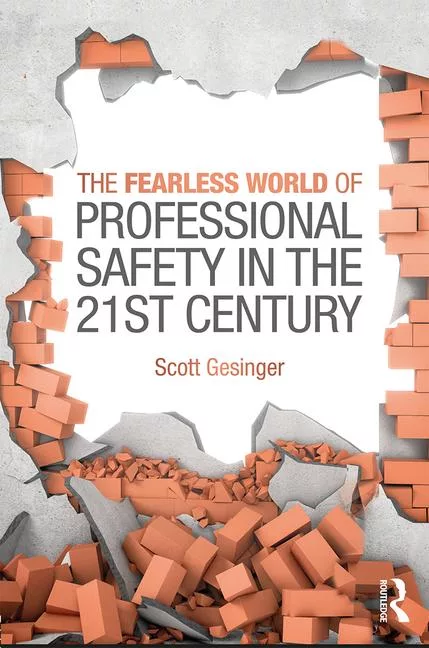
  • fearless world.jpg

    The Fearless World of Professional Safety in the 21st Century

See More Products

Events

View AllSubmit An Event
  • March 4, 2015

    ACGIH® TLV® for Heat Stress and Strain in the Context of Heat Stress Management webinar

    While the Heat Stress and Strain TLV® is designed for exposure assessment, it exists in the context of an integrated heat stress management program. This webinar will outline the components of a heat stress management program to illustrate how the TLV® can be used for exposure assessment and the development of controls.
View AllSubmit An Event

Related Directories

  • MSA - The Safety Co.

    WE KNOW WHAT'S AT STAKE. Unpredictable work environments are often part of the job. That's why it's critically important to have the right safety equipment at the moment it matters most. MSA's complete lines of safety solutions help protect those workers at the heart of your operation.
×

Become a Leader in Safety Culture

Build your knowledge with ISHN, covering key safety, health and industrial hygiene news, products, and trends.

JOIN TODAY
  • RESOURCES
    • Advertise
    • Contact Us
    • Directories
    • Manufacturing Division
    • Store
    • Want More
  • SIGN UP TODAY
    • Create Account
    • eMagazine
    • Newsletters
    • Customer Service
    • Manage Preferences
  • SERVICES
    • Marketing Services
    • Reprints
    • Market Research
    • List Rental
    • Survey/Respondent Access
  • STAY CONNECTED
    • LinkedIn
    • Facebook
    • YouTube
    • X (Twitter)
  • PRIVACY
    • PRIVACY POLICY
    • TERMS & CONDITIONS
    • DO NOT SELL MY PERSONAL INFORMATION
    • PRIVACY REQUEST
    • ACCESSIBILITY

Copyright ©2026. All Rights Reserved BNP Media, Inc. and BNP Media II, LLC.

Design, CMS, Hosting & Web Development :: ePublishing