ISHN logo
search
cart
facebook twitter linkedin youtube
  • Sign In
  • Create Account
  • Sign Out
  • My Account
ISHN logo
  • NEWS
    • Today's News
    • Global Safety News
    • Government Regulations
  • PRODUCTS
    • Product Innovations
    • Featured Products
  • TOPICS
    • Environmental Health and Safety
    • Facility Safety
    • Workplace Health
    • Occupational Safety
    • PPE
    • More Topics
  • CONSTRUCTION
  • TECHNOLOGY
  • COLUMNS
    • Best Practices
    • Dave Johnson: What’s going on
    • Editorial Comments
    • Leading Safety
  • MULTIMEDIA
    • ISHN Podcast
    • Videos
    • Cold Stress Education Quiz
    • Webinars
    • White Papers
  • MORE
    • Buyer's Guide
    • Newsletters
    • Convention Companion
    • Polls
    • Events
    • ISHN Store
    • Sponsor Insights
  • EMAGAZINE
    • eMagazine
    • Archived Issues
    • Contact
    • Advertise
  • JOIN TODAY!
Today's Safety NewsWorkplace Health

Overconsumption of salt is dangerous and expensive, says AHA

New CDC report: Most at risk not heeding sodium limit
October 24, 2011

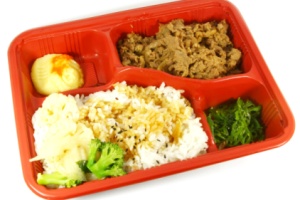
frozen dinnerAmericans are eating too much sodium, and something must be done about it. That's the response of the American Heart Association (AHA) to a new report from the U.S. Centers for Disease Control and Prevention (CDC) showing that 98% of Americans in high risk groups -- like African-Americans and those with hypertension, diabetes and chronic disease -- are consuming more than the 1500 mg of salt they should be limiting themselves to.

AHA president Gordon Tomaselli, M.D., said his organization believes the CDC report is "too conservative" in its estimate. “With the direct and indirect costs of cardiovascular disease already at $444 billion a year and rising, and with high blood pressure the single largest driver of those costs, this suggestion doesn’t go far enough to address either the human or economic burden that our excessive intake of salt costs. Other countries have realized this and are addressing it aggressively.” The AHA says that the daily intake of sodium for all American adults, not just those at risk, should be limited to 1500 mg.

“Given that most of us – as many as 90% - will develop high blood pressure with age, we all should be consuming less than 1500 mg a day of sodium, unless your healthcare provider has told you that this doesn’t apply to you,” says Clyde Yancy, M.D., former American Heart Association president and the Magerstadt professor of medicine and chief of the division of cardiology; Northwestern University, Feinberg School of Medicine; Chicago, Illinois.

People who don’t currently have high blood pressure may be able to prevent it or blunt the rise in blood pressure that accompanies aging by lowering their sodium intake and achieving that limit.
 
The group is calling for fundamental changes in both public policy and the food industry, which it admits will not be easy. With more than 75% of the sodium Americans consume coming from packaged or prepared foods and restaurant meals, reducing sodium in those products could achieve significant results.

"Americans deserve the freedom to choose how much sodium they eat—and with the levels of sodium currently so high in the food supply, that choice has been taken away," according to the AHA.

The association estimates that bringing the majority of Americans into the 1500mg daily sodium intake limit would save $24 billion in health care costs per year.

KEYWORDS: heart health illness sodium health effects

Share This Story

Looking for a reprint of this article?
From high-res PDFs to custom plaques, order your copy today!

Recommended Content

JOIN TODAY
to unlock your recommendations.

Already have an account? Sign In

  • forklift safety

    Exploring the latest technologies in forklift safety

    With more staff and more stock in warehousing now more...
    Facility Safety
    By: Josh Cramer
  • welding

    All about welder’s flash or arc eye

    A flash burn is a painful inflammation of the cornea,...
    Environmental Health and Safety
  • dangerous jobs

    The 10 most dangerous jobs in the U.S.

    On-the-job deaths have been rising — hitting the highest...
    Occupational Safety
    By: Benita Mehta
Manage My Account
  • eMagazine Subscriptions
  • ISHN Newsletter & Other Newsletter Alerts
  • Online Registration
  • Manage My Preferences
  • Subscription Customer Service

More Videos

Sponsored Content

Sponsored Content is a special paid section where industry companies provide high quality, objective, non-commercial content around topics of interest to the ISHN audience. All Sponsored Content is supplied by the advertising company and any opinions expressed in this article are those of the author and not necessarily reflect the views of ISHN or its parent company, BNP Media. Interested in participating in our Sponsored Content section? Contact your local rep!

close
  • man wearing the the Sundström SR200 Full Face Mask Respirator
    Sponsored byOHD

    5 Fit Testing Mistakes That Could Cost You

  • This image shows Magid AcuSpex polarized blue mirrored safety glasses.
    Sponsored byMagid Glove and Safety

    Construction PPE Guide: What Crews Need for Each Task

  • lone worker in confined space
    Sponsored byAlphasense Ltd.

    GET THE LEAD OUT of your Safety Oxygen Sensors!

Popular Stories

SpaceX 7 launch

OSHA Investigating Fatal Fall at SpaceX Starbase

dust explosion

Tennessee OSHA Issues Record $3.1M Fine After Deadly Explosion at Munitions Plant

Worker Impairment

How to Tell When a Co-Worker is Impaired? A Safety Pro’s Challenge

top 10 most dangerous jobs

Poll

Seasonal Readiness

With the federal heat stress prevention rule on the horizon, which area of your safety program needs the most attention?
View Results Poll Archive

Products

Surviving an OSHA Audit A Management Guide, 2nd Edition

Surviving an OSHA Audit A Management Guide, 2nd Edition

See More Products

ISHN Podcasts

Related Articles

  • pop

    Philadelphia’s beverage tax is working, says AHA

    See More
  • Your doctor should be asking you about this, says AHA

    See More
  • produce

    U.S. food system must change for our health’s sake, says AHA

    See More

Related Directories

  • PowerPusher® Div. of TC Nu-Star Inc.

    PowerPusher® specializes in pedestrian-operated, battery-powered, motorized tugs that safely and efficiently move from 500 pounds up to 250,000 pounds with ease. If It Rolls . . . We Can Move It.
×

Become a Leader in Safety Culture

Build your knowledge with ISHN, covering key safety, health and industrial hygiene news, products, and trends.

JOIN TODAY
  • RESOURCES
    • Advertise
    • Contact Us
    • Directories
    • Manufacturing Division
    • Store
    • Want More
  • SIGN UP TODAY
    • Create Account
    • eMagazine
    • Newsletters
    • Customer Service
    • Manage Preferences
  • SERVICES
    • Marketing Services
    • Reprints
    • Market Research
    • List Rental
    • Survey/Respondent Access
  • STAY CONNECTED
    • LinkedIn
    • Facebook
    • YouTube
    • X (Twitter)
  • PRIVACY
    • PRIVACY POLICY
    • TERMS & CONDITIONS
    • DO NOT SELL MY PERSONAL INFORMATION
    • PRIVACY REQUEST
    • ACCESSIBILITY

Copyright ©2026. All Rights Reserved BNP Media, Inc. and BNP Media II, LLC.

Design, CMS, Hosting & Web Development :: ePublishing