ISHN logo
search
cart
facebook twitter linkedin youtube
  • Sign In
  • Create Account
  • Sign Out
  • My Account
ISHN logo
  • NEWS
    • Today's News
    • Global Safety News
    • Government Regulations
  • PRODUCTS
    • Product Innovations
    • Featured Products
  • TOPICS
    • Environmental Health and Safety
    • Facility Safety
    • Workplace Health
    • Occupational Safety
    • PPE
    • More Topics
  • CONSTRUCTION
  • TECHNOLOGY
  • COLUMNS
    • Best Practices
    • Dave Johnson: What’s going on
    • Editorial Comments
    • Leading Safety
  • MULTIMEDIA
    • ISHN Podcast
    • Videos
    • Cold Stress Education Quiz
    • Webinars
    • White Papers
  • MORE
    • Buyer's Guide
    • Newsletters
    • Convention Companion
    • Polls
    • Events
    • ISHN Store
    • Sponsor Insights
  • EMAGAZINE
    • eMagazine
    • Archived Issues
    • Contact
    • Advertise
  • JOIN TODAY!
Today's Safety NewsOccupational Safety

Health care workers suffer highest total worker injury toll, study shows

650,000 nurses, orderlies, aides affected annually

July 18, 2013

Capitol HillHealth care workers suffer more injuries and illnesses on the job each year than those in any other industry, but OSHA conducts relatively few inspections of health care facilities, according to a new report by Public Citizen.

Nurses, nursing aides, orderlies and attendants suffer more musculoskeletal injuries than workers in any other field. Costs associated with back injuries in the health care industry are estimated to be more than $7 billion annually.

"Patchwork" approach not working

“Most Americans are not aware that hospitals and other medical facilities are actually the most frequent site for workplace injuries,” said Dr. L. Toni Lewis, chair of the health care division of the Service Employees International Union (SEIU), which advised Public Citizen on the report. “This is an issue that affects so many frontline workers and their patients – nurses, CNAs, radiologists, physical therapists – women and men who are trying to meet the needs of their patients safely and effectively. The current patchwork approach is not working for workers.”

In 2010, health care employers reported 653,900 workplace injuries and illnesses, about 152,000 more than the next most afflicted industry sector, manufacturing. The construction industry is the subject of the most inspections, and even that industry needs more OSHA inspection and enforcement. Although health care workers outnumber construction workers more than two-to-one, OSHA conducts just one-twentieth as many inspections of health care facilities as construction sites.

“It’s alarming that health care workers rank right alongside laborers, truck drivers and other physical, labor-intensive jobs in terms of musculoskeletal injuries,” said Suzy Harrington, director of the American Nurses Association’s Department for Health, Safety and Wellness. “This is a primary reason health care workers leave direct patient care. We can’t afford to lose health care workers to injury and still meet rising demands for health care services.”

Not enough resources

OSHA chief Assistant Secretary of Labor David Michaels has acknowledged that health care safety problems need to be addressed, saying in 2012, “It is unacceptable that the workers who have dedicated their lives to caring for our loved ones when they are sick are the very same workers who face the highest risk of work-related injury and illness.” In response to questions posed by Public Citizen for the report, OSHA argued that it does not have the resources necessary to develop certain standards.

Public Citizen blames Congress and the Obama administration for OSHA’s failure to adequately oversee the health care industry.

Budget and rulemaking

“The agency’s $535 million budget is woefully inadequate to oversee the 7 million job sites in its purview,” according to a statement by the group. “Meanwhile, the agency’s rulemaking efforts have been obstructed. In 2000, the agency published a final standard to protect workers in all industries from ergonomic stressors. But Congress repealed the rule before it took effect. At the outset of the Obama administration, the agency proposed a rule to add a column on employers’ incident reporting logs to designate whether workplace injuries were musculoskeletal disorders. But the administration delayed the proposed rule and Congress subsequently blocked it.”

OSHA does have a National Emphasis Program (NEP) aimed at reducing work-related hazards experienced by nursing home employees, such as ergonomic stressors, bloodborne pathogens, tuberculosis, workplace violence, and slips, trips and falls. Public Citizen points out that that NEP does not cover hospitals or other health care settings, where high injury rates also have been reported.

“In the absence of a specific standard for ergonomic safety, the agency must rely on its catch-all ‘general duty clause’ to issue citations for unsafe ergonomic conditions,” says the group. “General duty clause cases require a high evidentiary threshold, and only seven citations regarding ergonomics have been issued to nursing homes over the past two fiscal years.”

Public Citizen wants OSHA to increase the number of inspections of the health care industry facilities and pursue binding standards to ensure that workers are protected from the risks posed by musculoskeletal disorders, workplace violence and other threats. The report also recommends that Congress significantly increase funding of OSHA.
 

KEYWORDS: health care workers injuries OSHA funding

Share This Story

Looking for a reprint of this article?
From high-res PDFs to custom plaques, order your copy today!

Recommended Content

JOIN TODAY
to unlock your recommendations.

Already have an account? Sign In

  • forklift safety

    Exploring the latest technologies in forklift safety

    With more staff and more stock in warehousing now more...
    Workplace Training Strategies
    By: Josh Cramer
  • welding

    All about welder’s flash or arc eye

    A flash burn is a painful inflammation of the cornea,...
    Environmental Health and Safety
  • dangerous jobs

    The 10 most dangerous jobs in the U.S.

    On-the-job deaths have been rising — hitting the highest...
    Construction Industry Safety and Health
    By: Benita Mehta
Manage My Account
  • eMagazine Subscriptions
  • ISHN Newsletter & Other Newsletter Alerts
  • Online Registration
  • Manage My Preferences
  • Subscription Customer Service

More Videos

Sponsored Content

Sponsored Content is a special paid section where industry companies provide high quality, objective, non-commercial content around topics of interest to the ISHN audience. All Sponsored Content is supplied by the advertising company and any opinions expressed in this article are those of the author and not necessarily reflect the views of ISHN or its parent company, BNP Media. Interested in participating in our Sponsored Content section? Contact your local rep!

close
  • man wearing the the Sundström SR200 Full Face Mask Respirator
    Sponsored byOHD

    5 Fit Testing Mistakes That Could Cost You

  • This image shows Magid AcuSpex polarized blue mirrored safety glasses.
    Sponsored byMagid Glove and Safety

    Construction PPE Guide: What Crews Need for Each Task

  • lone worker in confined space
    Sponsored byAlphasense Ltd.

    GET THE LEAD OUT of your Safety Oxygen Sensors!

Popular Stories

SpaceX 7 launch

OSHA Investigating Fatal Fall at SpaceX Starbase

Automated loading dock equipment

After March 2026 Rivian Death, Safety Managers Reassess Loading Dock Systems Under OSHA's Warehouse Emphasis Program

psychology in the workplace

Most Workplaces Measure Psychological Safety, Ignoring Psychosocial Risks

top 10 most dangerous jobs

Poll

Seasonal Readiness

With the federal heat stress prevention rule on the horizon, which area of your safety program needs the most attention?
View Results Poll Archive

Products

Surviving an OSHA Audit A Management Guide, 2nd Edition

Surviving an OSHA Audit A Management Guide, 2nd Edition

See More Products

ISHN Podcasts

Related Articles

  • ER workplace violence takes toll on health care workers

    See More
  • OSHA outreach campaign aimed at reducing MSDs among health care workers

    See More
  • GAO: OSHA must do more to protect health care workers from workplace violence

    See More

Related Products

See More Products
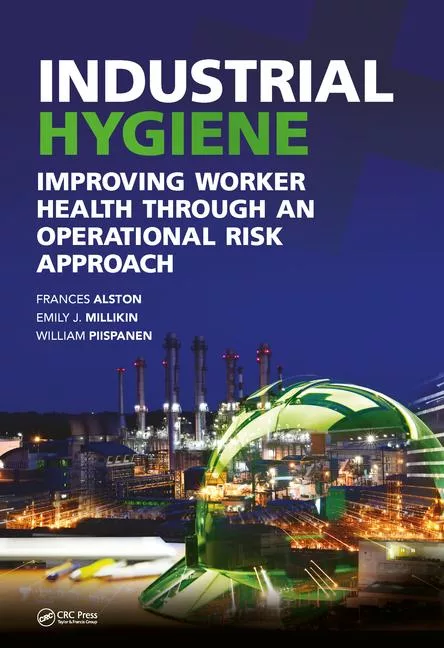
  • industrial hy.jpg

    Industrial Hygiene: Improving Worker Health through an Operational Risk Approach

  • 3E

    Safety Professional's Reference and Study Guide, Third Edition

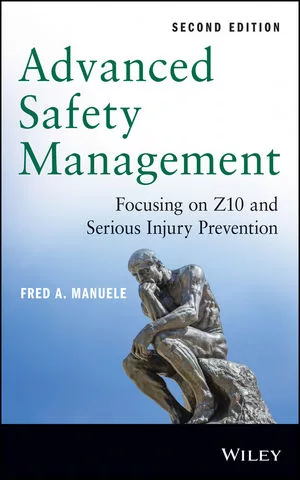
  • 1118645685.jpg

    Advanced Safety Management: Focusing on Z10 and Serious Injury Prevention, 2nd Edition

See More Products

Related Directories

  • SafetyLine Lone Worker

    SafetyLine Lone Worker helps companies monitor the status of workers who are remote, alone, or working in hazardous situations. We are an automated check-in monitoring and emergency notification service. SafetyLine uses its communications infrastructure to ensure that workers have comprehensive monitoring, 24/7, without the need for costly monitoring centers.
×

Become a Leader in Safety Culture

Build your knowledge with ISHN, covering key safety, health and industrial hygiene news, products, and trends.

JOIN TODAY
  • RESOURCES
    • Advertise
    • Contact Us
    • Directories
    • Manufacturing Division
    • Store
    • Want More
  • SIGN UP TODAY
    • Create Account
    • eMagazine
    • Newsletters
    • Customer Service
    • Manage Preferences
  • SERVICES
    • Marketing Services
    • Reprints
    • Market Research
    • List Rental
    • Survey/Respondent Access
  • STAY CONNECTED
    • LinkedIn
    • Facebook
    • YouTube
    • X (Twitter)
  • PRIVACY
    • PRIVACY POLICY
    • TERMS & CONDITIONS
    • DO NOT SELL MY PERSONAL INFORMATION
    • PRIVACY REQUEST
    • ACCESSIBILITY

Copyright ©2026. All Rights Reserved BNP Media, Inc. and BNP Media II, LLC.

Design, CMS, Hosting & Web Development :: ePublishing