ISHN logo
search
cart
facebook twitter linkedin youtube
  • Sign In
  • Create Account
  • Sign Out
  • My Account
ISHN logo
  • NEWS
    • Today's News
    • Global Safety News
    • Government Regulations
  • PRODUCTS
    • Product Innovations
    • Featured Products
  • TOPICS
    • Environmental Health and Safety
    • Facility Safety
    • Workplace Health
    • Occupational Safety
    • PPE
    • More Topics
  • CONSTRUCTION
  • TECHNOLOGY
  • COLUMNS
    • Best Practices
    • Dave Johnson: What’s going on
    • Editorial Comments
    • Leading Safety
  • MULTIMEDIA
    • ISHN Podcast
    • Videos
    • Cold Stress Education Quiz
    • Webinars
    • White Papers
  • MORE
    • Buyer's Guide
    • Newsletters
    • Convention Companion
    • Polls
    • Events
    • ISHN Store
    • Sponsor Insights
  • EMAGAZINE
    • eMagazine
    • Archived Issues
    • Contact
    • Advertise
  • JOIN TODAY!
Today's Safety NewsOccupational Safety

GAO: OSHA must do more to protect health care workers from workplace violence

April 15, 2016

According to data from three federal datasets reviewed by the Government Accountability Office (GAO), workers in health care facilities experience substantially higher estimated rates of nonfatal injury due to workplace violence compared to workers overall. However, the full extent of the problem and its associated costs are unknown. For example, in 2013, the most recent year that data were available, private-sector health care workers in in-patient facilities, such as hospitals, experienced workplace violence-related injuries requiring days off from work at an estimated rate at least five times higher than the rate for private-sector workers overall, according to data from the Department of Labor (DOL). The number of nonfatal workplace violence cases in health care facilities ranged from an estimated 22,250 to 80,710 cases for 2011, the most recent year that data were available from all three federal datasets that GAO reviewed. The most common types of reported assaults were hitting, kicking, and beating. The full extent of the problem and associated costs is unknown, however, because according to related studies GAO reviewed, health care workers may not always report such incidents, and there is limited research on the issue, among other reasons.

OSHA increased its education and enforcement efforts to help employers address workplace violence in health care facilities, but GAO identified three areas for improvement in accordance with federal internal control standards.

Provide inspectors additional information on developing citations. OSHA has not issued a standard that requires employers to implement workplace violence prevention programs, but the agency issued voluntary guidelines and may cite employers for hazards identified during inspections—including violence in health care facilities—under the general duty clause of the Occupational Safety and Health Act of 1970. OSHA increased its yearly workplace violence inspections of health care employers from 11 in 2010 to 86 in 2014. OSHA issued general duty clause citations in about 5 percent of workplace violence inspections of health care employers. However, OSHA regional office staff said developing support to address the criteria for these citations is challenging and staff from 5 of OSHA's 10 regions said additional information, such as specific examples of issues that have been cited, is needed. Without such additional information, inspectors may continue to experience difficulties in addressing the challenges they reported facing.

Follow up on hazard alert letters. When the criteria for a citation are not met, inspectors may issue warnings, known as hazard alert letters. However, employers are not required to take corrective action in response to them, and OSHA does not require inspectors to follow up to see if employers have taken corrective actions. As a result, OSHA does not know whether identified hazards have been addressed and hazards may persist.

Assess the results of its efforts to determine whether additional action, such as development of a standard, may be needed. OSHA has not fully assessed the results of its efforts to address workplace violence in health care facilities. Without assessing these results, OSHA will not be in a position to know whether its efforts are effective or if additional action may be needed to address this hazard.

Why GAO did this study

Workplace violence is a serious concern for the approximately 15 million health care workers in the United States. OSHA is the federal agency responsible for protecting the safety and health of the nation's workers, although states may assume responsibility under an OSHA-approved plan. OSHA does not require employers to implement workplace violence prevention programs, but it provides voluntary guidelines and may cite employers for failing to provide a workplace free from recognized serious hazards. GAO was asked to review efforts by OSHA to address workplace violence in health care.

GAO examined the degree to which workplace violence occurs in health care facilities and OSHA's efforts to address such violence.

GAO analyzed federal data on workplace violence incidents, reviewed information from the nine states GAO identified with workplace violence prevention requirements for health care employers, conducted a literature review, and interviewed OSHA and state officials.

What GAO Recommends

GAO recommends that OSHA provide additional information to assist inspectors in developing citations, develop a policy for following up on hazard alert letters concerning workplace violence hazards in health care facilities, and assess its current efforts. OSHA agreed with GAO's recommendations and stated that it would take action to address them.

KEYWORDS: assault health care healthcare worker safety

Share This Story

Looking for a reprint of this article?
From high-res PDFs to custom plaques, order your copy today!

Recommended Content

JOIN TODAY
to unlock your recommendations.

Already have an account? Sign In

  • forklift safety

    Exploring the latest technologies in forklift safety

    With more staff and more stock in warehousing now more...
    Workplace Training Strategies
    By: Josh Cramer
  • welding

    All about welder’s flash or arc eye

    A flash burn is a painful inflammation of the cornea,...
    Environmental Health and Safety
  • dangerous jobs

    The 10 most dangerous jobs in the U.S.

    On-the-job deaths have been rising — hitting the highest...
    Transportation Safety
    By: Benita Mehta
Manage My Account
  • eMagazine Subscriptions
  • ISHN Newsletter & Other Newsletter Alerts
  • Online Registration
  • Manage My Preferences
  • Subscription Customer Service

More Videos

Sponsored Content

Sponsored Content is a special paid section where industry companies provide high quality, objective, non-commercial content around topics of interest to the ISHN audience. All Sponsored Content is supplied by the advertising company and any opinions expressed in this article are those of the author and not necessarily reflect the views of ISHN or its parent company, BNP Media. Interested in participating in our Sponsored Content section? Contact your local rep!

close
  • man wearing the the Sundström SR200 Full Face Mask Respirator
    Sponsored byOHD

    5 Fit Testing Mistakes That Could Cost You

  • This image shows Magid AcuSpex polarized blue mirrored safety glasses.
    Sponsored byMagid Glove and Safety

    Construction PPE Guide: What Crews Need for Each Task

  • lone worker in confined space
    Sponsored byAlphasense Ltd.

    GET THE LEAD OUT of your Safety Oxygen Sensors!

Popular Stories

SpaceX 7 launch

OSHA Investigating Fatal Fall at SpaceX Starbase

Worker Impairment

How to Tell When a Co-Worker is Impaired? A Safety Pro’s Challenge

Automated loading dock equipment

After March 2026 Rivian Death, Safety Managers Reassess Loading Dock Systems Under OSHA's Warehouse Emphasis Program

top 10 most dangerous jobs

Poll

Seasonal Readiness

With the federal heat stress prevention rule on the horizon, which area of your safety program needs the most attention?
View Results Poll Archive

Products

Surviving an OSHA Audit A Management Guide, 2nd Edition

Surviving an OSHA Audit A Management Guide, 2nd Edition

See More Products

ISHN Podcasts

Related Articles

  • Calif. passes bill to protect health care workers from toxic drugs

    See More
  • OSHA updates guidance to protect late-night retail workers from workplace violence (1/28)

    See More
  • ER workplace violence takes toll on health care workers

    See More

Related Products

See More Products
  • Top Ten Pitfalls in OSHA Recordkeeping and How to Avoid Them

  • 9780849365461.jpg

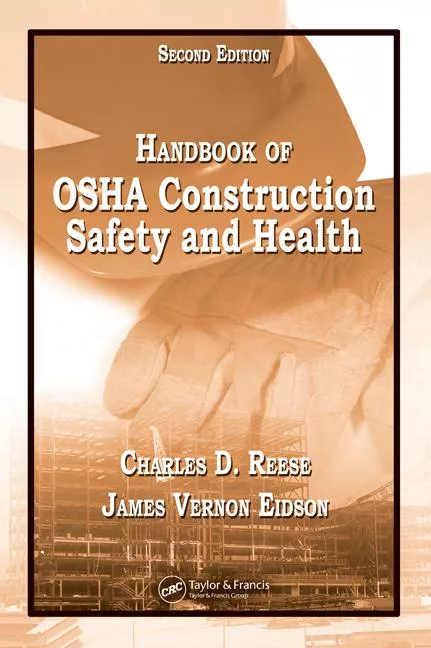
    Handbook of OSHA Construction Safety and Health, Second Edition

  • 9781264257829_24.jpeg

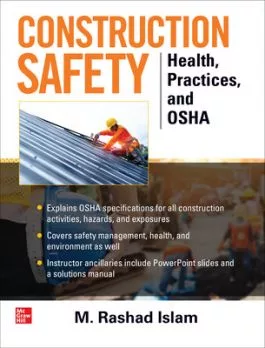
    Construction Safety: Health, Practices and OSHA

See More Products

Related Directories

  • SafetyLine Lone Worker

    SafetyLine Lone Worker helps companies monitor the status of workers who are remote, alone, or working in hazardous situations. We are an automated check-in monitoring and emergency notification service. SafetyLine uses its communications infrastructure to ensure that workers have comprehensive monitoring, 24/7, without the need for costly monitoring centers.
  • SonicAire

    SonicAire is the global leader in engineered solutions for combustible dust control. Our patented fan systems use BarrierAire™ technology to prevent dust from settling in overhead and hard-to-reach areas—helping facilities stay compliant with OSHA, NFPA, and insurance requirements. Thousands of manufacturers across wood products, food, grain, textiles, plastics, and more trust SonicAire to: Eliminate the risk of dust-related fires and explosions Automate housekeeping in overhead areas Protect worker health with improved air quality Reduce manual cleaning costs and production downtime Our systems are engineered for your facility, installed with precision, and backed by our Compliance Guarantee—because when it comes to safety, good enough is never enough. Create a cleaner, safer, and more compliant facility with SonicAire. ���� Visit www.SonicAire.com or call (336) 712-2437.
×

Become a Leader in Safety Culture

Build your knowledge with ISHN, covering key safety, health and industrial hygiene news, products, and trends.

JOIN TODAY
  • RESOURCES
    • Advertise
    • Contact Us
    • Directories
    • Manufacturing Division
    • Store
    • Want More
  • SIGN UP TODAY
    • Create Account
    • eMagazine
    • Newsletters
    • Customer Service
    • Manage Preferences
  • SERVICES
    • Marketing Services
    • Reprints
    • Market Research
    • List Rental
    • Survey/Respondent Access
  • STAY CONNECTED
    • LinkedIn
    • Facebook
    • YouTube
    • X (Twitter)
  • PRIVACY
    • PRIVACY POLICY
    • TERMS & CONDITIONS
    • DO NOT SELL MY PERSONAL INFORMATION
    • PRIVACY REQUEST
    • ACCESSIBILITY

Copyright ©2026. All Rights Reserved BNP Media, Inc. and BNP Media II, LLC.

Design, CMS, Hosting & Web Development :: ePublishing