ISHN logo
search
cart
facebook twitter linkedin youtube
  • Sign In
  • Create Account
  • Sign Out
  • My Account
ISHN logo
  • NEWS
    • Today's News
    • Global Safety News
    • Government Regulations
  • PRODUCTS
    • Product Innovations
    • Featured Products
  • TOPICS
    • Environmental Health and Safety
    • Facility Safety
    • Workplace Health
    • Occupational Safety
    • PPE
    • More Topics
  • CONSTRUCTION
  • TECHNOLOGY
  • COLUMNS
    • Best Practices
    • Dave Johnson: What’s going on
    • Editorial Comments
    • Leading Safety
  • MULTIMEDIA
    • ISHN Podcast
    • Videos
    • Cold Stress Education Quiz
    • Webinars
    • White Papers
  • MORE
    • Buyer's Guide
    • Newsletters
    • Convention Companion
    • Polls
    • Events
    • ISHN Store
    • Sponsor Insights
  • EMAGAZINE
    • eMagazine
    • Archived Issues
    • Contact
    • Advertise
  • JOIN TODAY!
Today's Safety NewsWorkplace Health

HLAA supports Medicare coverage for hearing aids
December 25, 2013

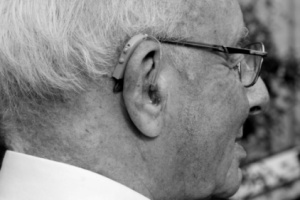
hearing lossThe Hearing Loss Association of America believes seniors with hearing loss should not have to scrimp and save, or go without basic needs, to just be able to hear.

Seniors on fixed incomes, seniors who depend on Social Security and Medicare, seniors who don’t qualify for Medicaid or who live in states that don’t provide hearing aids through Medicaid, should not have to choose between hearing and their other basic needs.

That’s why HLAA is supporting the Help Extend Auditory Relief Act of 2013, HR 3150, the HEAR Act, introduced in the US House of Representatives by Pennsylvania Representative Matt Cartwright September 19, 2013. This legislation would:

  • amend the Social Security Act to include Medicare coverage for hearing rehabilitation, including a comprehensive audiology assessment to determine if a hearing aid is appropriate, a threshold test to determine audio acuity, and various services associated with fitting, adjusting, and using hearing aids.
  • extend Medicare coverage to hearing aids, defining them as any wearable instrument or device for compensating for hearing loss.
  • In our letter to Representative Cartwright, we note:
  • Nearly 17% of all Americans report a hearing loss, including a third of all individuals over the age of 65. Hearing loss is not a benign condition: recent studies reveal a linkage between untreated hearing loss and dementia, a greater incidence of balance problems and falls, and greater incidence of stress-related diseases like diabetes and heart disease.
  • Currently, Medicare Part B only covers hearing rehabilitation services for cases caused by an illness or accident. Progressive, age-related hearing loss is not covered, leaving many seniors to pay for their own hearing exams and hearing aids. Hearing aids are incredibly expensive, ranging from $600 to over $5,000 each. These high price tags discourage many seniors from seeking a very basic solution that could dramatically improve their lives.           
  • In short, the cost of treatment for hearing loss can be prohibitively high. But the cost of doing nothing can be higher. People with hearing loss need basic access to hearing aids, regardless of their financial situation.

HLAA understands asking Congress to approve Medicare coverage of hearing aids is not an easy task: it may take years.

Rest assured, we are in this for the long haul. We’re supporting this legislation not because it’s the easy thing to do, but because it’s the right thing to do.

KEYWORDS: audiology hearing aids hearing loss hearing protection

Share This Story

Looking for a reprint of this article?
From high-res PDFs to custom plaques, order your copy today!

Recommended Content

JOIN TODAY
to unlock your recommendations.

Already have an account? Sign In

  • forklift safety

    Exploring the latest technologies in forklift safety

    With more staff and more stock in warehousing now more...
    Workplace Training Strategies
    By: Josh Cramer
  • welding

    All about welder’s flash or arc eye

    A flash burn is a painful inflammation of the cornea,...
    Environmental Health and Safety
  • dangerous jobs

    The 10 most dangerous jobs in the U.S.

    On-the-job deaths have been rising — hitting the highest...
    Occupational Safety
    By: Benita Mehta
Manage My Account
  • eMagazine Subscriptions
  • ISHN Newsletter & Other Newsletter Alerts
  • Online Registration
  • Manage My Preferences
  • Subscription Customer Service

More Videos

Sponsored Content

Sponsored Content is a special paid section where industry companies provide high quality, objective, non-commercial content around topics of interest to the ISHN audience. All Sponsored Content is supplied by the advertising company and any opinions expressed in this article are those of the author and not necessarily reflect the views of ISHN or its parent company, BNP Media. Interested in participating in our Sponsored Content section? Contact your local rep!

close
  • man wearing the the Sundström SR200 Full Face Mask Respirator
    Sponsored byOHD

    5 Fit Testing Mistakes That Could Cost You

  • This image shows Magid AcuSpex polarized blue mirrored safety glasses.
    Sponsored byMagid Glove and Safety

    Construction PPE Guide: What Crews Need for Each Task

  • lone worker in confined space
    Sponsored byAlphasense Ltd.

    GET THE LEAD OUT of your Safety Oxygen Sensors!

Popular Stories

SpaceX 7 launch

OSHA Investigating Fatal Fall at SpaceX Starbase

Automated loading dock equipment

After March 2026 Rivian Death, Safety Managers Reassess Loading Dock Systems Under OSHA's Warehouse Emphasis Program

psychology in the workplace

Most Workplaces Measure Psychological Safety, Ignoring Psychosocial Risks

top 10 most dangerous jobs

Poll

Seasonal Readiness

With the federal heat stress prevention rule on the horizon, which area of your safety program needs the most attention?
View Results Poll Archive

Products

Surviving an OSHA Audit A Management Guide, 2nd Edition

Surviving an OSHA Audit A Management Guide, 2nd Edition

See More Products

ISHN Podcasts

Related Articles

  • Hearing aids do not restore hearing to “normal”

    See More
  • Siemens introduces smart hearing aids

    See More
  • Study: Hearing aids may help protect brain health

    See More

Events

View AllSubmit An Event
  • September 22, 2016

    Bang! Damage from impulse noise and the effectiveness of hearing protection

    Some of the most hazardous sounds we hear are brief sounds – noises from impacts and impulses. These arise from sources like household tools, construction, industrial noise, firecrackers, guns, and even automotive airbags.
View AllSubmit An Event
×

Become a Leader in Safety Culture

Build your knowledge with ISHN, covering key safety, health and industrial hygiene news, products, and trends.

JOIN TODAY
  • RESOURCES
    • Advertise
    • Contact Us
    • Directories
    • Manufacturing Division
    • Store
    • Want More
  • SIGN UP TODAY
    • Create Account
    • eMagazine
    • Newsletters
    • Customer Service
    • Manage Preferences
  • SERVICES
    • Marketing Services
    • Reprints
    • Market Research
    • List Rental
    • Survey/Respondent Access
  • STAY CONNECTED
    • LinkedIn
    • Facebook
    • YouTube
    • X (Twitter)
  • PRIVACY
    • PRIVACY POLICY
    • TERMS & CONDITIONS
    • DO NOT SELL MY PERSONAL INFORMATION
    • PRIVACY REQUEST
    • ACCESSIBILITY

Copyright ©2026. All Rights Reserved BNP Media, Inc. and BNP Media II, LLC.

Design, CMS, Hosting & Web Development :: ePublishing