ISHN logo
search
cart
facebook twitter linkedin youtube
  • Sign In
  • Create Account
  • Sign Out
  • My Account
ISHN logo
  • NEWS
    • Today's News
    • Global Safety News
    • Government Regulations
  • PRODUCTS
    • Product Innovations
    • Featured Products
  • TOPICS
    • Environmental Health and Safety
    • Facility Safety
    • Workplace Health
    • Occupational Safety
    • PPE
    • More Topics
  • CONSTRUCTION
  • TECHNOLOGY
  • COLUMNS
    • Best Practices
    • Dave Johnson: What’s going on
    • Editorial Comments
    • Leading Safety
  • MULTIMEDIA
    • ISHN Podcast
    • Videos
    • Cold Stress Education Quiz
    • Webinars
    • White Papers
  • MORE
    • Buyer's Guide
    • Newsletters
    • Convention Companion
    • Polls
    • Events
    • ISHN Store
    • Sponsor Insights
  • EMAGAZINE
    • eMagazine
    • Archived Issues
    • Contact
    • Advertise
  • JOIN TODAY!
Today's Safety NewsGovernment Safety RegulationsEnvironmental Health and SafetyGlobal Safety NewsWorkplace Health

EPA’s McCarthy makes the case for taking action on climate change

June 2, 2014

Companies like Best Buy are investing in low-carbon operations. Bank of America pays its employees to cut carbon pollution, because investors see climate risk as business opportunity. Any business will tell you eliminating waste means more money for other things, like hiring employees. Corporate climate action is not bells and whistles—it’s all hands on deck.

And even without national standards, the energy sector sees the writing on the wall. Businesses like Spectra Energy are investing billions in clean energy. And utilities like Exelon and Entergy are weaving climate considerations into business plans. All this means more jobs, not less. We’ll need thousands of American workers, in construction, transmission, and more, to make cleaner power a reality.

The bottom line is: we have never—nor will we ever—have to choose between a healthy economy and a healthy environment.

There’s a reason empty allegations from critics sound like a broken record. It’s the same tired play from the same special-interest playbook they’ve used for decades. In the ‘60s, when smog choked our cities, critics cried wolf and said EPA action would put the brakes on auto production. They were wrong. Instead, our air got cleaner, our kids got healthier—and we sold more cars. In the ‘90s, critics cried wolf and said fighting acid rain would make electricity bills go up and our lights go out. They said industry would, quote, “die a quiet death.” Wrong again. Industry is alive and well, our lights are still on, and we’ve dramatically reduced acid rain.

Time after time, when science pointed to health risks, special interests cried wolf to protect their own agenda. And time after time, we followed the science, protected the American people, and the doomsday predictions never came true.  Now, climate change is calling our number. And right on cue, those same critics once will flaunt manufactured facts and scare-tactics, standing in our way of our right to breathe clean air, to keep our communities safe, and to meet our moral duty as stewards of our natural resources.

Their claims that the science-driven action that’s protected families for generations would somehow harm us flies in the face of history, and shows a lack of faith in American ingenuity and entrepreneurship.

I don’t accept that premise. We can lead this fight. We can innovate our way to a better future. It’s what America does best. Yes, our climate crisis is a global problem that demands a global solution, and there’s no Hail Mary play we can call to reverse its effects. But we can act today to advance the ball and limit the dangers of punting the problem to our kids.

It’s no accident that our proposal is a key piece of President Obama’s Climate Action Plan—and key to American leadership in our global climate fight. Although there’s still much work to do to get carbon pollution down to safe levels, I’m hopeful when I see the progress we’ve made. I’m hopeful because I see the pattern of perseverance that defines America.

From the light bulb to the locomotive; from photovoltaic cells to cellphones, America has always turned small steps into giant leaps. We’ve cured diseases, we’ve explored the stars, we’ve connected corners of the globe with the click of a mouse, because when critics say it can’t be done, we say—watch us. That’s what America is made of. We don’t settle. We lead. And that’s how we’ll confront our climate crisis.

When it comes to our Plan, we may not agree on details of how we do it, but we agree on why we do it. When our kids ask us if we did everything we could to leave them a safer, cleaner world, we want to say, yes, we did.   When we think of our children—kids like Parker from Cleveland, Ohio—it’s easy to see why we’re compelled to act.

As governors and mayors, as CEOs and school teachers, and most of all, as parents, we have a moral obligation to ensure the world we leave behind is as safe, healthy, and vibrant as the one we inherited. Our Clean Power Plan is a huge step toward delivering on that promise.

KEYWORDS: carbon pollution climate change Gina McCarthy

Share This Story

Looking for a reprint of this article?
From high-res PDFs to custom plaques, order your copy today!

Recommended Content

JOIN TODAY
to unlock your recommendations.

Already have an account? Sign In

  • forklift safety

    Exploring the latest technologies in forklift safety

    With more staff and more stock in warehousing now more...
    Facility Safety
    By: Josh Cramer
  • welding

    All about welder’s flash or arc eye

    A flash burn is a painful inflammation of the cornea,...
    Environmental Health and Safety
  • dangerous jobs

    The 10 most dangerous jobs in the U.S.

    On-the-job deaths have been rising — hitting the highest...
    Occupational Safety
    By: Benita Mehta
Previous 1 2 3 Next
Manage My Account
  • eMagazine Subscriptions
  • ISHN Newsletter & Other Newsletter Alerts
  • Online Registration
  • Manage My Preferences
  • Subscription Customer Service

More Videos

Sponsored Content

Sponsored Content is a special paid section where industry companies provide high quality, objective, non-commercial content around topics of interest to the ISHN audience. All Sponsored Content is supplied by the advertising company and any opinions expressed in this article are those of the author and not necessarily reflect the views of ISHN or its parent company, BNP Media. Interested in participating in our Sponsored Content section? Contact your local rep!

close
  • man wearing the the Sundström SR200 Full Face Mask Respirator
    Sponsored byOHD

    5 Fit Testing Mistakes That Could Cost You

  • This image shows Magid AcuSpex polarized blue mirrored safety glasses.
    Sponsored byMagid Glove and Safety

    Construction PPE Guide: What Crews Need for Each Task

  • lone worker in confined space
    Sponsored byAlphasense Ltd.

    GET THE LEAD OUT of your Safety Oxygen Sensors!

Popular Stories

SpaceX 7 launch

OSHA Investigating Fatal Fall at SpaceX Starbase

Worker Impairment

How to Tell When a Co-Worker is Impaired? A Safety Pro’s Challenge

Automated loading dock equipment

After March 2026 Rivian Death, Safety Managers Reassess Loading Dock Systems Under OSHA's Warehouse Emphasis Program

top 10 most dangerous jobs

Poll

Seasonal Readiness

With the federal heat stress prevention rule on the horizon, which area of your safety program needs the most attention?
View Results Poll Archive

Products

Surviving an OSHA Audit A Management Guide, 2nd Edition

Surviving an OSHA Audit A Management Guide, 2nd Edition

See More Products

ISHN Podcasts

Related Articles

  • EPA’s McCarthy: We must take action on climate change

    See More
  • Public health experts urge action on climate change

    See More
  • EPA’s McCarthy: “Climate change is one of the greatest challenges of our time”

    See More

Related Products

See More Products
  • human resources.jpg

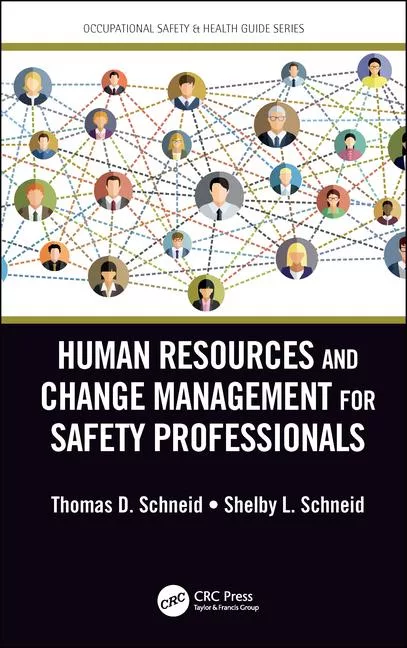
    Human Resources and Change Management for Safety Professionals

See More Products

Events

View AllSubmit An Event
  • October 18, 2017

    ACGIH® TLV® For Audible Sound – Understanding the Proposed Notice of Intended Change to The Acgih® Tlv® for Noise

    Occupational noise exposures represent an important but under-recognized cause of disease and disability in the United States. Now titled as Audible Sound, the ACGIH® Threshold Limit Values for Physical Agents (TLV®-PA) Committee has proposed a revision to the TLV® for Noise.
View AllSubmit An Event
×

Become a Leader in Safety Culture

Build your knowledge with ISHN, covering key safety, health and industrial hygiene news, products, and trends.

JOIN TODAY
  • RESOURCES
    • Advertise
    • Contact Us
    • Directories
    • Manufacturing Division
    • Store
    • Want More
  • SIGN UP TODAY
    • Create Account
    • eMagazine
    • Newsletters
    • Customer Service
    • Manage Preferences
  • SERVICES
    • Marketing Services
    • Reprints
    • Market Research
    • List Rental
    • Survey/Respondent Access
  • STAY CONNECTED
    • LinkedIn
    • Facebook
    • YouTube
    • X (Twitter)
  • PRIVACY
    • PRIVACY POLICY
    • TERMS & CONDITIONS
    • DO NOT SELL MY PERSONAL INFORMATION
    • PRIVACY REQUEST
    • ACCESSIBILITY

Copyright ©2026. All Rights Reserved BNP Media, Inc. and BNP Media II, LLC.

Design, CMS, Hosting & Web Development :: ePublishing