ISHN logo
search
cart
facebook twitter linkedin youtube
  • Sign In
  • Create Account
  • Sign Out
  • My Account
ISHN logo
  • NEWS
    • Today's News
    • Global Safety News
    • Government Regulations
  • PRODUCTS
    • Product Innovations
    • Featured Products
  • TOPICS
    • Environmental Health and Safety
    • Facility Safety
    • Workplace Health
    • Occupational Safety
    • PPE
    • More Topics
  • CONSTRUCTION
  • TECHNOLOGY
  • COLUMNS
    • Best Practices
    • Dave Johnson: What’s going on
    • Editorial Comments
    • Leading Safety
  • MULTIMEDIA
    • ISHN Podcast
    • Videos
    • Cold Stress Education Quiz
    • Webinars
    • White Papers
  • MORE
    • Buyer's Guide
    • Newsletters
    • Convention Companion
    • Polls
    • Events
    • ISHN Store
    • Sponsor Insights
  • EMAGAZINE
    • eMagazine
    • Archived Issues
    • Contact
    • Advertise
  • JOIN TODAY!
Workplace Health

7 tips for a safe and successful strength-training program
July 9, 2014

exerciseFrom the Harvard Medical School:

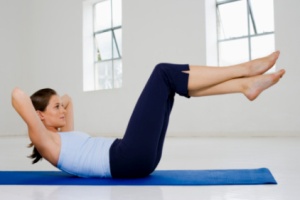
Strength or resistance training challenges your muscles with a stronger-than-usual counterforce, such as pushing against a wall, lifting a dumbbell, or pulling on a resistance band. Using progressively heavier weights or increasing resistance makes muscles stronger. This kind of exercise increases muscle mass, tones muscles, and strengthens bones. It also helps you maintain the strength you need for everyday activities — lifting groceries, climbing stairs, rising from a chair, or rushing for the bus.

The current national guidelines for physical activity recommend strengthening exercises for all major muscle groups (legs, hips, back, chest, abdomen, shoulders, and arms) at least twice a week. One set of each exercise — usually 8 to 12 repetitions of the same movement — per session is effective, though some evidence suggests that two to three sets may be better. Your muscles need at least 48 hours to recover between strength training sessions

These seven tips can keep your strength training safe and effective.

  • Warm up and cool down for five to 10 minutes. Walking is a fine way to warm up; stretching is an excellent way to cool down.
  • Focus on form, not weight. Align your body correctly and move smoothly through each exercise. Poor form can prompt injuries and slow gains. When learning a strength training routine, many experts suggest starting with no weight, or very light weight. Concentrate on slow, smooth lifts and equally controlled descents while isolating a muscle group.
  • Working at the right tempo helps you stay in control rather than compromise strength gains through momentum. For example, count to three while lowering a weight, hold, then count to three while raising it to the starting position.
  • Pay attention to your breathing during your workouts. Exhale as you work against resistance by lifting, pushing, or pulling; inhale as you release.
  • Keep challenging muscles by slowly increasing weight or resistance. The right weight for you differs depending on the exercise. Choose a weight that tires the targeted muscle or muscles by the last two repetitions while still allowing you to maintain good form. If you can’t do the last two reps, choose a lighter weight. When it feels too easy to complete all the reps, add weight (roughly 1 to 2 pounds for arms, 2 to 5 pounds for legs), or add another set of repetitions to your workout (up to three sets). If you add weight, remember that you should be able to do all the repetitions with good form and the targeted muscles should feel tired by the last two.
  • Stick with your routine — working all the major muscles of your body two or three times a week is ideal. You can choose to do one full-body strength workout two or three times a week, or you may break your strength workout into upper- and lower-body components. In that case, be sure you perform each component two or three times a week.
  • Give muscles time off. Strength training causes tiny tears in muscle tissue. These tears aren’t harmful, but they are important: muscles grow stronger as the tears knit up. Always give your muscles at least 48 hours to recover before your next strength training session.

For detailed workouts and more on the benefits of exercise and how to develop a plan and stick with it, buy Exercise: A program you can live with, a Special Health Report from Harvard Medical School.

KEYWORDS: exercise fitness

Share This Story

Looking for a reprint of this article?
From high-res PDFs to custom plaques, order your copy today!

Recommended Content

JOIN TODAY
to unlock your recommendations.

Already have an account? Sign In

  • forklift safety

    Exploring the latest technologies in forklift safety

    With more staff and more stock in warehousing now more...
    Facility Safety
    By: Josh Cramer
  • welding

    All about welder’s flash or arc eye

    A flash burn is a painful inflammation of the cornea,...
    Environmental Health and Safety
  • dangerous jobs

    The 10 most dangerous jobs in the U.S.

    On-the-job deaths have been rising — hitting the highest...
    Occupational Safety
    By: Benita Mehta
Manage My Account
  • eMagazine Subscriptions
  • ISHN Newsletter & Other Newsletter Alerts
  • Online Registration
  • Manage My Preferences
  • Subscription Customer Service

More Videos

Sponsored Content

Sponsored Content is a special paid section where industry companies provide high quality, objective, non-commercial content around topics of interest to the ISHN audience. All Sponsored Content is supplied by the advertising company and any opinions expressed in this article are those of the author and not necessarily reflect the views of ISHN or its parent company, BNP Media. Interested in participating in our Sponsored Content section? Contact your local rep!

close
  • man wearing the the Sundström SR200 Full Face Mask Respirator
    Sponsored byOHD

    5 Fit Testing Mistakes That Could Cost You

  • This image shows Magid AcuSpex polarized blue mirrored safety glasses.
    Sponsored byMagid Glove and Safety

    Construction PPE Guide: What Crews Need for Each Task

  • lone worker in confined space
    Sponsored byAlphasense Ltd.

    GET THE LEAD OUT of your Safety Oxygen Sensors!

Popular Stories

SpaceX 7 launch

OSHA Investigating Fatal Fall at SpaceX Starbase

Worker Impairment

How to Tell When a Co-Worker is Impaired? A Safety Pro’s Challenge

psychology in the workplace

Most Workplaces Measure Psychological Safety, Ignoring Psychosocial Risks

top 10 most dangerous jobs

Poll

Seasonal Readiness

With the federal heat stress prevention rule on the horizon, which area of your safety program needs the most attention?
View Results Poll Archive

Products

Surviving an OSHA Audit A Management Guide, 2nd Edition

Surviving an OSHA Audit A Management Guide, 2nd Edition

See More Products

ISHN Podcasts

Related Articles

  • 8 CDC tips for a safe and healthy holiday

    See More
  • Follow these tips for a safe Fourth of July

    See More
  • Doc offers tips for a safe hunting season (9/18)

    See More

Events

View AllSubmit An Event
  • November 11, 2025

    Integrating NFPA Standards for a Complete Electrical Safety Program

    ON DEMAND: The integration of NFPA 70E, Standard for Electrical Safety in the Workplace and NFPA 70B, Standard for Electrical Equipment Maintenance, are key in the establishment of an electrical safety program.
View AllSubmit An Event
×

Become a Leader in Safety Culture

Build your knowledge with ISHN, covering key safety, health and industrial hygiene news, products, and trends.

JOIN TODAY
  • RESOURCES
    • Advertise
    • Contact Us
    • Directories
    • Manufacturing Division
    • Store
    • Want More
  • SIGN UP TODAY
    • Create Account
    • eMagazine
    • Newsletters
    • Customer Service
    • Manage Preferences
  • SERVICES
    • Marketing Services
    • Reprints
    • Market Research
    • List Rental
    • Survey/Respondent Access
  • STAY CONNECTED
    • LinkedIn
    • Facebook
    • YouTube
    • X (Twitter)
  • PRIVACY
    • PRIVACY POLICY
    • TERMS & CONDITIONS
    • DO NOT SELL MY PERSONAL INFORMATION
    • PRIVACY REQUEST
    • ACCESSIBILITY

Copyright ©2026. All Rights Reserved BNP Media, Inc. and BNP Media II, LLC.

Design, CMS, Hosting & Web Development :: ePublishing