ISHN logo
search
cart
facebook twitter linkedin youtube
  • Sign In
  • Create Account
  • Sign Out
  • My Account
ISHN logo
  • NEWS
    • Today's News
    • Global Safety News
    • Government Regulations
  • PRODUCTS
    • Product Innovations
    • Featured Products
  • TOPICS
    • Environmental Health and Safety
    • Facility Safety
    • Workplace Health
    • Occupational Safety
    • PPE
    • More Topics
  • CONSTRUCTION
  • TECHNOLOGY
  • COLUMNS
    • Best Practices
    • Dave Johnson: What’s going on
    • Editorial Comments
    • Leading Safety
  • MULTIMEDIA
    • ISHN Podcast
    • Videos
    • Cold Stress Education Quiz
    • Webinars
    • White Papers
  • MORE
    • Buyer's Guide
    • Newsletters
    • Convention Companion
    • Polls
    • Events
    • ISHN Store
    • Sponsor Insights
  • EMAGAZINE
    • eMagazine
    • Archived Issues
    • Contact
    • Advertise
  • JOIN TODAY!
Today's Safety NewsGlobal Safety NewsWorkplace Health

How was the Texas nurse exposed to Ebola?
October 14, 2014

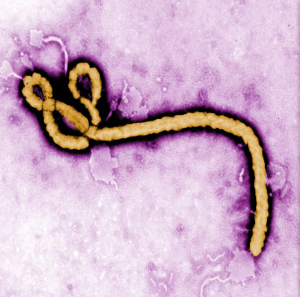
Ebola virusAn Ebola diagnosis for a healthcare worker at Texas Presbyterian Hospital who cared for a patient with the disease has the Centers for Disease Control and Prevention (CDC) scrambling to determine how she was exposed despite wearing a protective gown, gloves, mask and shield.

“This is understandably disturbing news for the patient, the patient’s family and colleagues and the greater Dallas community,” according to a statement by the CDC. “The CDC and the Texas Department of State Health Services remain confident that wider spread in the community can be prevented with proper public health measures including ongoing contact tracing, health monitoring among those known to have been in contact with the index patient and immediate isolations if symptoms develop.”

Nurse treated Duncan

Nurse Nina Pham, 26-years-old, is reportedly in stable condition after testing positive for Ebola. She was isolated after the initial report of a fever – and remains so. Pham was among the first to treat Thomas Eric Duncan, the Liberian man who denied being exposed to the disease on a health screening questionnaire prior to flying to the U.S. Duncan reportedly was exposed when he helped a pregnant woman in Liberia who was suffering from Ebola get to a hospital. Both the woman and Duncan ultimately succumbed to the disease.

The case has alarmed both the healthcare industry and the general public, and has forced hospitals to reexamine their readiness to handle Ebola cases which may make their way to the U.S. – or be contracted here.

One area being examined: how healthcare workers remove their protective gear.

The CDC says the risk of an Ebola outbreak in the United States is very low, although it calls the current Ebola epidemic “the largest in history,” affecting multiple countries in West Africa. All but a handful of the 8,400 cases that have been reported have occurred in Liberia, Guinea, and Sierra Leone.

The agency and its partners are taking precautions to stem the spread of the disease.

Here’s the latest update from the CDC:

  • CDC is implementing enhanced entry screening at five U.S. airports that receive over 94% of travelers from Guinea, Liberia, and Sierra Leone.
  • A confirmed case of Ebola has been reported in Spain.
  • On September 30, 2014, CDC confirmed the first travel-associated case of Ebola to be diagnosed in the United States. The patient passed away on October 8, 2014.
  • New cases continue to be reported from Guinea, Liberia, and Sierra Leone.
  • Nigeria and Senegal have not reported any new cases since September 5, 2014, and August 29, 2014, respectively. All contacts in both countries have now completed their 21-day follow up, with no further cases of Ebola reported.
  • The Democratic Republic of the Congo (DRC) has reported cases of Ebola. These cases are not related to the ongoing outbreak of Ebola in West Africa. 

Ebola is spread through direct contact with bodily fluids of a sick person or exposure to objects such as needles that have been contaminated. The illness has an average 8-10 day incubation period (although it could be from 2 to 21 days) so CDC recommends monitoring exposed people for symptoms a complete 21 days.  People are not contagious during the incubation period, meaning before symptoms such as fever develop.

KEYWORDS: exposure risks infectious disease

Share This Story

Looking for a reprint of this article?
From high-res PDFs to custom plaques, order your copy today!

Recommended Content

JOIN TODAY
to unlock your recommendations.

Already have an account? Sign In

  • forklift safety

    Exploring the latest technologies in forklift safety

    With more staff and more stock in warehousing now more...
    Workplace Training Strategies
    By: Josh Cramer
  • welding

    All about welder’s flash or arc eye

    A flash burn is a painful inflammation of the cornea,...
    Environmental Health and Safety
  • dangerous jobs

    The 10 most dangerous jobs in the U.S.

    On-the-job deaths have been rising — hitting the highest...
    Government Safety Regulations
    By: Benita Mehta
Manage My Account
  • eMagazine Subscriptions
  • ISHN Newsletter & Other Newsletter Alerts
  • Online Registration
  • Manage My Preferences
  • Subscription Customer Service

More Videos

Sponsored Content

Sponsored Content is a special paid section where industry companies provide high quality, objective, non-commercial content around topics of interest to the ISHN audience. All Sponsored Content is supplied by the advertising company and any opinions expressed in this article are those of the author and not necessarily reflect the views of ISHN or its parent company, BNP Media. Interested in participating in our Sponsored Content section? Contact your local rep!

close
  • man wearing the the Sundström SR200 Full Face Mask Respirator
    Sponsored byOHD

    5 Fit Testing Mistakes That Could Cost You

  • This image shows Magid AcuSpex polarized blue mirrored safety glasses.
    Sponsored byMagid Glove and Safety

    Construction PPE Guide: What Crews Need for Each Task

  • lone worker in confined space
    Sponsored byAlphasense Ltd.

    GET THE LEAD OUT of your Safety Oxygen Sensors!

Popular Stories

SpaceX 7 launch

OSHA Investigating Fatal Fall at SpaceX Starbase

Worker Impairment

How to Tell When a Co-Worker is Impaired? A Safety Pro’s Challenge

Automated loading dock equipment

After March 2026 Rivian Death, Safety Managers Reassess Loading Dock Systems Under OSHA's Warehouse Emphasis Program

top 10 most dangerous jobs

Poll

Seasonal Readiness

With the federal heat stress prevention rule on the horizon, which area of your safety program needs the most attention?
View Results Poll Archive

Products

Surviving an OSHA Audit A Management Guide, 2nd Edition

Surviving an OSHA Audit A Management Guide, 2nd Edition

See More Products

ISHN Podcasts

Related Articles

  • OSHA publishes new fact sheet on protecting workers who may be exposed to Ebola virus

    See More
  • How a cop was exposed to fentanyl during a traffic stop

    See More
  • hearing

    How many of the top 10 loudest noises have you been exposed to?

    See More

Related Products

See More Products
  • Top Ten Pitfalls in OSHA Recordkeeping and How to Avoid Them

See More Products

Related Directories

  • The Safety Knife Co. LLC

    The Safety Knife Company has developed a quality range of safety knives for all industries. These knives have no exposed blades and only cut cardboard deep, protecting employees against lacerations as well as product.
×

Become a Leader in Safety Culture

Build your knowledge with ISHN, covering key safety, health and industrial hygiene news, products, and trends.

JOIN TODAY
  • RESOURCES
    • Advertise
    • Contact Us
    • Directories
    • Manufacturing Division
    • Store
    • Want More
  • SIGN UP TODAY
    • Create Account
    • eMagazine
    • Newsletters
    • Customer Service
    • Manage Preferences
  • SERVICES
    • Marketing Services
    • Reprints
    • Market Research
    • List Rental
    • Survey/Respondent Access
  • STAY CONNECTED
    • LinkedIn
    • Facebook
    • YouTube
    • X (Twitter)
  • PRIVACY
    • PRIVACY POLICY
    • TERMS & CONDITIONS
    • DO NOT SELL MY PERSONAL INFORMATION
    • PRIVACY REQUEST
    • ACCESSIBILITY

Copyright ©2026. All Rights Reserved BNP Media, Inc. and BNP Media II, LLC.

Design, CMS, Hosting & Web Development :: ePublishing