A variety of NIOSH blogs spread the word about hearing loss prevention
October 30, 2017
When it comes to health, a large gap often exists between what we know (for example, we know that eating too much sugar is bad for our health) and what we still do. Hearing loss prevention is no exception. We have been aware of the harmful effects of overexposure to noise for over a century.
Noise Monitoring specialists Cirrus Research have expanded their product training and CPD programmes, adding an environmental noise measurement workshop to the roster.
In this article, we’ll examine hearing loss and leading causes, an overview of the history of hearing protection, and seven elements that workplaces should consider when implementing a Hearing Conservation Program (HCP) or Hearing Loss Prevention Program (HLP).
Access: Supports for Living and 3M™ Personal Safety Division have expanded their partnership to begin production of the full line of 3M™ PELTOR™ earmuffs for the military, law enforcement and commercial segments. Access employs severely disabled individuals, including disabled military personnel and veterans, to help with the assembly and packaging of hearing protection products.
Even a low level of noise can be hazardous to the human ear and may have serious consequences, e.g. loss of hearing. Earplugs and other devices can prevent this and there are now apps to measure the noise level and obtain recommendations on appropriate hearing protection.
Tuesday’s product demos and presentations in the Learning Pavilions again focused on everything from sensor technology to ergonomics, and a few discussed OSHA’s new silica rule. Some of the topics up for discussion Tuesday afternoon included: • Key ergonomic principles for use in increasing productive output, decreasing waste and reducing the risk factors and costs associated with musculoskeletal disorders.
A Buffalo startup company, Heads Up, has created a device that fits on a worker’s safety glasses and monitors for safety threats, like noise, and notifies the wearer – and a safety manager at a central location – if such threats are present.
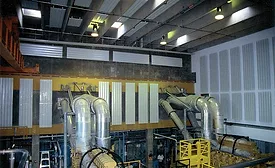
Industrial plants are known for being loud, acoustically-harsh environments. The combination of high ceilings, reflective surfaces and the din from heavy machinery creates an optimal environment for reverberation and noise.
Some key factors that go into choosing earplugs for workers are: determining the length and intensity of noise exposure they’ll be needed for, training workers in how to use them properly and making sure they fit the individuals who will be using them.