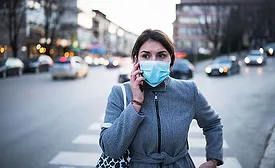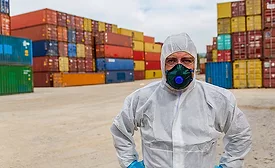
Global chemical companies are helping to fight the virus pandemic by stepping up production of hand sanitizers, polymers for personal protective equipment, bleach for disinfectants, and cleaning products.
A cough can travel as fast as 50 mph and expel almost 3,000 droplets in just one go. Sneezes are even more forceful —they can travel up to 100 mph and create upwards of 100,000 droplets.
What are the symptoms of coronavirus, and how is it treated?
April 1, 2020
What exactly are the symptoms of coronavirus, anyway? Is it deadly? How worried should I be? The U.S. Centers for Disease Control says little is known about the virus, but it still has some tentative answers.
VelocityEHS has released its free COVID-19 Resource Site to provide employers with the information necessary to keep their workforce safe and healthy from the global virus pandemic. The extensive repository contains articles, webinars and other helpful guides from VelocityEHS’ team of industrial hygiene, chemical management and ergonomics experts.
During this unprecedented time surrounding the outbreak of COVID-19, the American Society of Safety Professionals (ASSP) is providing free online resources to help its members and the occupational safety and health community respond quickly and effectively to the pandemic.
Statement from APHA warns against political interference
March 6, 2020
The American Public Health Association (APHA) says preparing communities in the U.S. for COVID-19 – the illness caused by coronavirus – is going to require a coordinated national response, with leadership from the top levels of government. “Attempts to silence public health officials — or manipulate public information — will only make it harder to get ahead and stay ahead of this virus."
"If the U.S. wants to remain fully prepared to protect its residents from diseases such as COVID-19, it must invest in public health readiness. Doing so will help shore up an already-taxed public health system,” according to a new editorial in the American Public Health Association’s (APHA) American Journal of Public Health.
The respiratory disease caused by a novel (new) coronavirus that was first detected in Wuhan City, Hubei Province, China has now been detected in 32 locations internationally, including cases United States. The virus has been named “SARS-CoV-2” and the disease it causes has been named “coronavirus disease 2019” (abbreviated “COVID-19”).
"There are likely to be additional cases in the coming days"
February 13, 2020
The CDC yesterday confirmed another infection with 2019 novel coronavirus (COVID-19) in the United States in California. The patient is among a group of people under a federal quarantine order because of their recent return to the U.S. on a State Department-chartered flight that arrived on February 7, 2020.
All people who have been in Hubei Province in the past 14 days are considered at high risk of having been exposed to COVID-19 and subject to a temporary 14-day quarantine.
The outbreak of the 2019 Novel Coronavirus (2019-nCoV) has created a number of questions and compliance challenges for employers in the United States as well as across the globe. This is a fluid and rapidly changing situation. Employers must carefully balance concerns related to employee and public safety with protecting employees from unnecessary medical inquiries, harassment, and discrimination – all while complying with immigration, leave, and medical privacy laws.