In 1997, hundreds of elementary school children in Michigan contracted Hepatitis A from a contaminated strawberry dessert served in the school’s cafeteria. Immediate effects included vomiting, high fevers, body aches, headaches, and abdominal painting. Among the long-term effects: hair loss, fatigue and shingles.
Although an estimated 40,000 to 50,000 adults in the U.S. die from vaccine-preventable infectious diseases or their complications each year, the American Lung Association (ALA) says vaccines have helped reduce the rate of death and disease in the United States.
Improper donning and doffing combined with reuse resulted in more viruses transferred to the hands during scenarios simulating the use of filtering facepiece respirator. The importance of covering a cough or a sneeze to prevent spreading germs to those around us, often using the crook of an elbow, is something that most of us learned before starting school. Healthcare providers typically wear personal protective equipment, such as the filtering facepiece respirator, to protect both themselves and their patients.
If you are getting the impression that the flu season is worse than usual this year, you’re right. The CDC, which tracks the number of people who seek treatment for the flu, confirms that the numbers are higher than last year in all regions of the country.
If you have gone to the doctor recently with flu-like symptoms, your doctor may have advised you to stay home from work until you have recovered. But, do you know if your doctor and other health care workers also follow that advice?
The American Public Health Association (APHA) is warning that tax legislation approved by Congress “will create a dangerous environment for public health in which millions fewer Americans are insured, key health programs and agencies are desperately underfunded and income inequality is dramatically worsened.”
In a statement, the APHA said the legislations’s repeal of the individual health insurance mandate will cause deep automatic cuts to key health programs like Medicare and the Prevention and Public Health Fund.
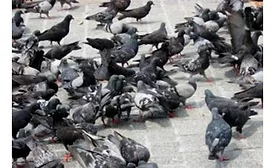
Do pigeons and other pest birds really represent a significant health threat for people? The simple answer is yes, and no. Pigeons have, in fact, been positively identified with a long list of zoonotic (transmissible to man) diseases. This includes illnesses associated with bacteria, viruses, endo and ectoparasites, fungi and protozoa. Many of these diseases can lead to debilitating and life threatening ailments.
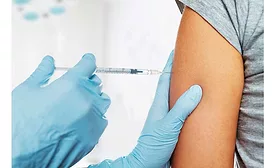
What’s the best way to avoid the flu? You hate needles, so should you get that flu vaccine that comes in a nasal spray? Or how about that new kind of vaccine that may also be given without a needle?
And will the type of vaccine that’s available during the 2017-2018 flu season be effective against whatever variant of the bug makes an appearance this time around?
Fortunately, the Centers for Disease Control and Prevention (CDC) and OSHA have all of the information you need to protect yourself – and your workplace – from the flu.
It’s flu season. The National Institute for Occupational Safety and Health (NIOSH) conducts research on protecting health care providers and other workers from infectious diseases including influenza. A significant portion of our research deals with understanding how the influenza virus is transmitted. Influenza is known to be transmitted through respiratory secretions containing the virus.
Climate-related occupational hazards have historically received little attention. In 2009, NIOSH began work to address this gap and developed a framework to identify climate-related occupational hazards.