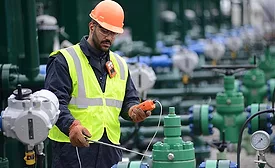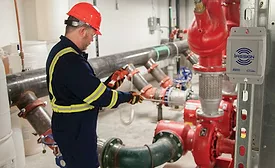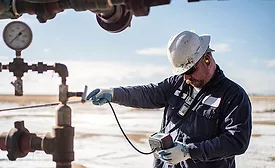
Gas detection equipment is critical for protecting workers in the oil and gas industry due to the number of explosive, flammable, or toxic gases that can be released from wells, tanks, production equipment, and more.
Time is money. It’s an old saying that we have heard a thousand times, but why is it so memorable? Perhaps because it’s true. The problem with this maxim is that to save time, people often lose sight of safety
Inhalation of toxic gases can kill you. It’s important that you perpetually monitor your breathing air to ensure that you and your employees are breathing air that is safe and free of such gases all the time.
The safety industry has worked diligently over the past decade to improve the effectiveness of refrigerant, toxic and combustible gas sensors. The latest digital technologies have been employed at the sensor and systems levels to add greater intelligence and communications capabilities.
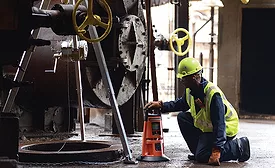
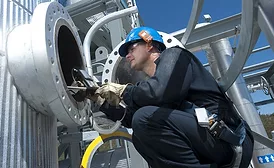
The year 2018 marks the 25th anniversary of the implementation of permit-required confined space entry regulations in the United States. Thousands of entries that take place across the country every day have become, shall we say, standard.
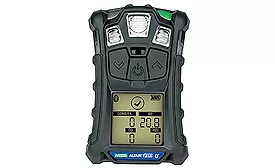
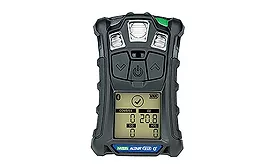
This tough and reliable 4-gas monitor with proven MSA XCell® Sensors is among the fastest in the world, and when paired with the MSA ALTAIR Connect app, can text alarm notifications to supervisors, team members or other users.
Explosive gas monitoring is all about safety. Numerous factors must be assessed and analyzed. Sensor capabilities play a vital role — fast response times and wide temperature ranges are musts. You also need to know when to use catalytic or infrared (IR) gas detector technology.
Mil-Ram Technology’s VOC Fixed Gas Detector for Benzene utilizes advanced Photo-Ionization PID sensor technology to provide reliable, continuous, low ppm monitoring under demanding field conditions.