Together with a Biden-Harris administration interagency effort, the U.S. Department of Labor's Occupational Safety and Health Administration published an Advance Notice of Proposed Rulemaking for Heat Injury and Illness Prevention in Outdoor and Indoor Work Settings on Oct. 27, 2021.
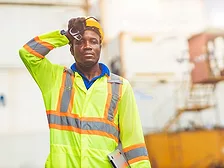
Record-breaking heat in the U.S. in 2021 endangered millions of workers exposed to heat illness and injury in both indoor and outdoor work environments. Workers in outdoor and indoor work settings without adequate climate-controlled environments are at risk of hazardous heat exposure, and workers of color are exposed disproportionately to hazardous levels of heat in essential jobs across these work settings.
The Biden administration is advancing emergency workplace safety rules to prevent the spread of the coronavirus after weeks of delay and growing pressure from Democrats and safety advocates.
Oregon OSHA has adopted a temporary rule that combats the spread of coronavirus in all workplaces by requiring employers to carry out a comprehensive set of risk-reducing measures.
A circuit court denied on Thursday, June 11, a petition filed by labor unions that would have forced the U.S. Occupational Safety and Health Administration to issue an emergency safety rule to address COVID-19.
OSHA Injury / Illness Recordkeeping and Reporting 29 CFR 1904
January 7, 2019
According to OSHA, an injury or illness is considered work related if an event or exposure in the work environment caused or contributed to the condition or significantly aggravated a preexisting condition. Work-relatedness is presumed for injuries and illnesses resulting from events or exposures occurring in the workplace, unless an exception specifically applies.
Rules are so easy to make that safety offices are often accused of being a “Rule Mill” because they continuously produce their rule-of-the month. Why do we create so many rules? One particular cog in our mill that causes us to create rules is incidents. When we suffer an incident, we want to throw every tool in the arsenal to keep it from happening again.
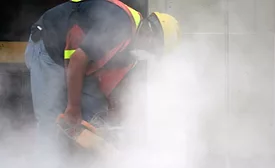
If you’re in construction, maritime, hydraulic fracturing, or other general industries using silica, the new silica standard and silica dust should matter to you. Chances are, you could be getting exposed to dangerous respirable silica dust that you can’t even see. And, what you can’t see, can hurt you.
If you work in safety in a high-hazard industry, would you be worried if your company injury and illness data sat on OSHA’s website to be accessed by the public? Would you fear publicizing the data could damage your company’s reputation?
Yesterday’s House Appropriations hearing on the Labor Department’s FY 2019 budget was a fairly low key — mostly boring — rendition of how well Alex Acosta thinks things are going in Trump’s Department of Labor. I had intended to “live tweet” the hearing, but the Committee’s website was having “technical difficulties.”