An oil and gas industry organization has developed a set of tools intended to help make the business case for Corporate Social Responsibility (CSR).
IPIECA, the oil and gas industry association’s for environmental and social issues, says the tools can also be used to improve internal company due diligence processes for social performance.
Airgas, an Air Liquide company and a leading U.S. supplier, was recognized for outstanding work on projects by Bechtel's Nuclear, Security & Environmental global business unit at the Bechtel Supply Chain Recognition awards.
My first job out of college was as engineer # 3884 in a large oil refinery. Yield, cost, and throughput were all more important to the organization than the front-line people who were nameless numbers to the higher-ups.
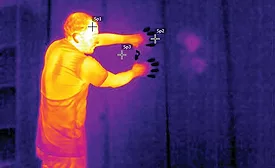
Many workers and outdoor enthusiasts’ are exposed to temperature extremes throughout the day. Most of the time this is due to work, exercise or in my case, a circulatory disorder which can make me sweat profusely.
No matter their specific needs, organizations have goals above and beyond daily business tasks. However, certain challenges are preventing organizations from achieving these goals—such as injuries, illnesses and environmental releases.
At toxic cleanup sites across the country, environmental agencies have allowed groundwater contamination to go untreated and slowly diminish over time—a strategy that saves money for polluters but could cost taxpayers dearly and jeopardize drinking water supplies.
Lawmakers’ plans to use the Congressional Review Act (CRA) to repeal federal regulations are meeting with opposition from the Coalition for Sensible Safeguards.
Maryland state senator Richard S. Madaleno, Jr (D-District 18) has introduced a measure calling for stricter monitoring of air pollutants emitted by factory farms, also known as Concentrated Animal Feeding Operations (CAFOs).
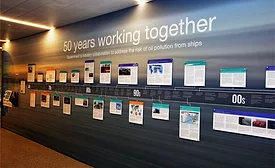
In 1967, the grounding of the Torrey Canyon focused the world's attention on the risks and environmental impact of major marine oil spills. According to IPIECA -- the global oil and gas industry association for environmental and social issues -- the incident became a catalyst for positive change throughout the industry, ushering in new regulations, safer shipping practices, improved preparedness and response and adequate compensation.
Releases of toxic chemicals into the air fell 56% from 2005-2015 at industrial facilities submitting data to the Toxics Release Inventory (TRI) National Analysis, according to the EPA.
The recently released report shows an 8% decrease from 2014 to 2015 at facilities reporting to the program contributed to this ten-year decline. Hydrochloric acid, sulfuric acid, toluene and mercury were among chemicals with significantly lower air releases at TRI-covered facilities.