OSHA has delayed the effective date of its rule to lower beryllium exposure limits for a second time, to May 20, 2017. The agency said in a statement that the change will allow for “additional review into questions of law and policy.”
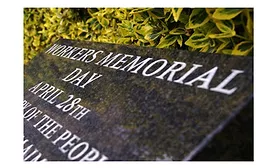
This year’s Workers Memorial Day, April 28, will be a little different. In addition to speeches and candlelit ceremonies, processions and pancake breakfasts, there’ll be activism – motivated by what advocates say is the Trump administration’s attacks on workplace safety.
Acosta declines to answer the question during hearings
March 27, 2017
If confirmed as U.S. labor secretary, will Alexander Acosta enforce OSHA’s already-in-effect silica rule? Or will the Trump nominee follow the president’s anti-regulatory agenda and nullify the regulation?
The U.S. Senate voted 50-48 this week to strike down a key provision of OSHA’s recordkeeping rule by axing the agency’s ability to cite recordkeeping violations found by inspectors that are older than 180 days. The so-called “Volks” rule that was struck down – issued in December 2016 -- gave OSHA the ability to issue citations to employers for failing to record work-related injuries and illnesses during the 5-year retention period, contrary to the six-month statute of limitations.
On January 17, 2017, OSHA’s new Walking-Working Surfaces Rule took effect, updating OSHA regulations that have been in place for nearly a half century. OSHA’s new rule, commonly referred to as the “Slips, Trips and Falls” rule, actually revises and updates two historic OSHA standards — the Walking-Working Surfaces regulations at Subpart D and the Personal Fall Protection regulations at Subpart I of OSHA’s General Industry Standards (29 C.F.R. Part 1910).
There is no Federal OSHA requirement specifically addressing the use of compressed air to test for leaks in gas lines, according to an OSHA letter of interpretation sent in response to a compliance inquiry. Then- Director of the Office of Construction and Compliance Assistance Gerald P. Reidy noted that there are several applicable general industry and construction standards addressing the hazards of compressed gases.
Several case studies in this eBook point out organizational safety and health cultures, and the use of new safety and health technologies. The issues of vehicle safety, distracted driving, job stress and fatigue are covered in a dramatic, real-life story from West Texas.
Should OSHA stop setting standards – at least for the foreseeable future? Should the agency cease to exist on a federal level, and its responsibilities be performed by state OSH agencies?
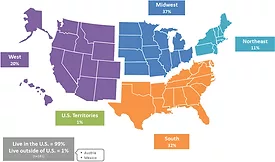
ISHN put these questions to its readers recently in an online survey.
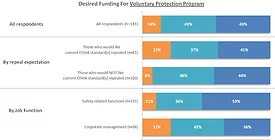
Survey of ISHN readers shows dislike for IPP, HazCom
February 16, 2017
A study ISHN conducted recently to help us understand safety and health professionals’ perceptions and expectations around change in OSHA-related regulations, as a result of a new political administration in Washington D.C. produced a wealth of information and opinions. An article posted earlier about whether or not OSHA standards should be repealed showed a division among respondents based mainly on their job functions.
With a new occupant in the White House, ISHN thought it a good time to conduct an online flash survey to find out what our readers think about the federal agency that most impacts their jobs, OSHA. Will OSHA change under the Trump administration? Should OSHA change under the Trump administration?