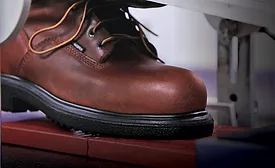
Protective footwear used by employees can play a big role in preventing costly and dangerous slips, trips and falls. But not all footwear protects wearers equally. Make sure your workers wear the proper protective boots for their unique environment.
The Walking-Working Surfaces; Personal Protective Equipment standard, 29 CFR 1910.22, was published in the Federal Register on November 18, 2016, at pages 82494-83006. Most of the rule became effective Jan. 18, 2017, but some provisions have delayed effective dates.
It’s ideal to stay ready for the unexpected, especially when it comes to ornery winter weather. You will feel much more at ease if you transform those anxious feelings of anticipation into proactive preparation.
A survey of small business owners conducted by Travelers Insurance discovered that 44 percent of small businesses in the U.S. don’t have a written business continuity plan or any related document to explain how their business will operate in the event of serious weather emergencies.
The year has come full circle as we begin to enter winter months once again. Soon enough, businesses will reflect on the year’s accomplishments and potential areas for improvement. One area safety and operations leaders can master this season is workplace safety, as they find themselves shifting focus from summertime hazards to the risks brought on by harsh winter conditions.
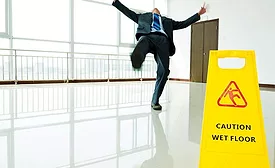
Nurse Carmelita Kinjo was eager to begin her night shift in the intensive care unit at the Veterans Administration hospital where she worked. As her thoughts turned to the evening that lay ahead of her and the patients she would tend to, she slipped on a wet floor. Someone had forgotten to replace the sign warning that it was wet. Kinjo fell backward, hitting her head and slamming into a wall.
Winter across the world brings with it a variety of weather conditions. From the biting cold, snow, rain and wind of the Northern Hemisphere to the scorching temperatures and humidity of the Southern Hemisphere, it pays to be fully prepared for this winter season.
The Walk Zone Safety Report could be a good resource for your next training session on walking-working surface safety. Many organizations underestimate floor safety risks and are unaware of high-risk walk zones in their buildings, according to a survey conducted by New Pig.
It's easy to think that a slip or fall won't happen to you, your employees or your loved ones. But the statistics aren't favorable to anyone. That's why we echo OSHA's recent improvements to the "Walking and Working Surface Rule" and call for increased prevention of slip, trip, and fall injuries.
To help reduce same-level slip, trip and fall incidents, OSHA recently a provision to the walking-working surface rules for facilities to conduct regular inspections of all walking-working surfaces. This, coupled with the new requirement to fix any hazards that are found will help prevent slip, trip and fall incidents.
Training is one of the most critical elements in safety. Providing workers with the required skills and knowledge to safely do their work is extremely important to OSHA. So important, in fact, that more than 100 of OSHA’s current standards contain specific training requirements.