Winter weather is unpredictable enough without having to worry about walking from point A to point B and making it in one piece. YakTrax® Ice Traction Device for your shoes is the answer. It stretches over any footwear from boots to jogging shoes and stays in place.
Engineered solution from ICEtrekkers adds unmatched traction for workers on dangerous snow and ice
October 16, 2013
When nature doles out harsh winter weather some workers get to stay home, but that’s when many maintenance workers are most needed on the job. When conditions get slick, outdoor workers need 360° traction, and that’s what industrial-strength ICEtrekkers Diamond Grip delivers.
Because slip-and-fall accidents are of heightened concern today, safety professionals must take added measures to ensure that the floors they maintain are safe and slip-resistant. However, sometimes it is difficult to figure out exactly why a floor may be slippery.
The safety rumour mill is buzzing about the probability that governments are about to target a hazard that many of us really haven’t given much thought to: dust. I can’t tell you how many times I have been on audits where the merest mention of poor housekeeping send eyes rolling and smirks crackling like lightning strikes across the faces of both leadership and the rank-and-file alike.
NIOSH research related to improved illumination in underground mines could be a key to reducing the second leading accident class of nonfatal lost-time injuries—slips, trips, and falls.
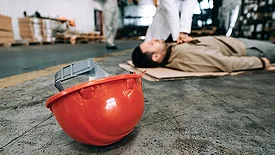
If you've ever slipped on an oily patch of floor or tripped over a loose piece of carpeting you know how easy it can be to take a fall. And if you did fall, you would join the more than 42,000 people who get injured each year in work-related falls. That's about seventeen percent of the "time-loss injuries" across Canada as well as a lot of economic loss, pain and suffering, and sometimes even death.
Slips, trips, and falls constitute the majority of general industry accidents, according to federal OSHA. They cause 15% of all accidental deaths, and are second only to motor vehicles as a cause of fatalities. The OSHA standards for walking/working surfaces apply to all permanent places of employment, except where only domestic, mining, or agricultural work is performed.