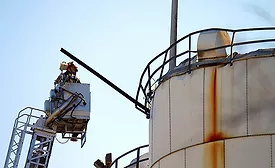
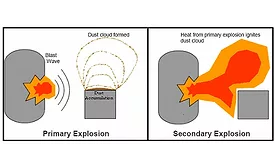
Most organizational leaders are aware of the direct impact that a dust explosion could have on their facility. Even when it is understood that hazards exist within a system and that protection measures have been recommended, a flawed cost-benefit analysis could result in no action being taken.
Most Americans spend close to 90 percent of their time indoors, so creating environments that are safer, cleaner and built with wellness in mind is more important than ever. But finding solutions that prove a real return on investment and offer true safety benefits to the public can be difficult.
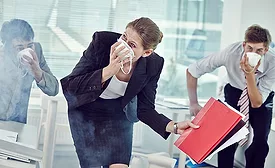
Manufacturing locations can be dirty, dusty environments by nature, depending on what is produced in a given location. As a result, many manufacturers are no stranger to airborne dust and the health hazards it can pose to workers regularly exposed to it.
With so much going on, it can often be difficult to spot the contrasting elements. The ability to discern a human being from their environment shouldn’t be as challenging as spotting a chameleon. Of the many concerns we have as drivers, the safety of pedestrians should be a cornerstone.
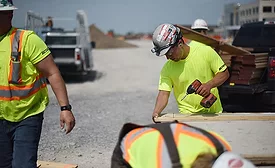
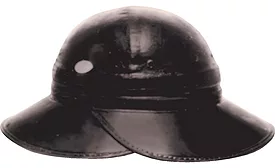
Women got the vote. Prohibition began. The National Football League was founded. And, the construction industry was forever changed by the invention of an often overlooked but significant worker safety advancement – the hard hat.
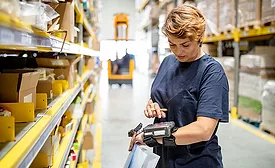
Americans spend over 24 hours a week online, and nearly two-thirds of Americans own at least one IoT connected device (connected car, smart TV, fitness tracker, home control system or appliance, internet-enabled voice command, smart glasses, smart watch, VR headset, or wearable).
Being a safety professional is not black and white like what you learned in university, college or what a safety enforcement officer will tell you. It is in fact, different shades of gray. This you will learn as you grow as a safety professional.
In the final seconds of the championship game, the quarterback hands off the football to his star running back. The running back skillfully weaves, dodges and avoids tackles. The home crowd cheers as he crosses the goal line, securing victory.
No, OSHA has not banned safety incentive programs. In fact, on October 11, 2018, agency regional administrators received a memo from Kim Stille, acting director of enforcement programs, which walks back the Obama administration OSHA’s more hard line stance on safety incentive programs. Even under former agency head Dr. David Michaels, OSHA never out-and-out “banned” incentive / reward programs. Michaels and his leadership team took a tougher line on incentive / reward programs that retaliated against or punished workers for reporting work-related injuries or illness.
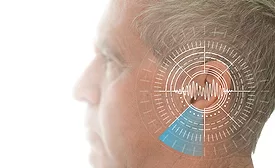
If you hear someone say “noise monitoring,” what do you picture? If you are like most people, your mind probably goes first to settings with heavy equipment in use versus a more recreational environment, given the historical regulations necessitating hearing protection in those settings.
 RSS
RSS