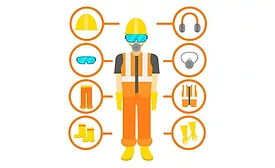
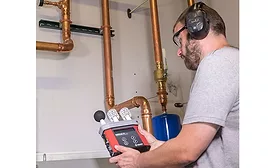
Workplace safety is one of the major concerns that has been successfully driving the international industrial protective clothing fabric market. Today, from hard hats to steel-toed boots, personal protective equipment, often known as PPE, is keeping workers safe from head to toe.
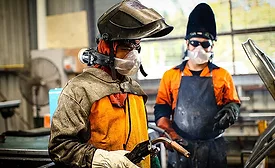
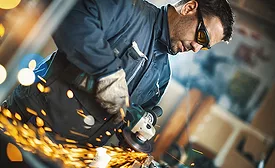
When it comes to workplace safety, welders are well aware that their profession is one of the most dangerous. Welders face an array of hazards from electric shock, retinal damage, ocular melanoma, or serious burns.
Assessing personality types or styles goes back thousands of years. Rob Fisher, a human factors expert, says in ancient Asia, “fire,” “wind,” “water,” “earth” and other terms were used to capture the different personalities of different people.
Metal fabrication is an integral part of many different industries, and it can be one of the most dangerous due to the tools and techniques necessary to complete each task. Metal shop injuries are often extreme and can be even fatal in some situations.
Hot, bulky, too tight or too loose - what starts out as required personal protective equipment (PPE) can become oppressive after four, eight or even 12 hours at work. The temptation for an overheated worker to pull off a glove or hood, roll up sleeves or unzip a coverall for a moment of relief can be irresistible.
A good starting point for all employers when attempting to minimize the risk of workplace violence is to conduct a hazard assessment, and then provide employees with the protective measures needed to eliminate or reduce exposure to potential hazards.
Improving workplace safety and sustainability requires the ability to visualize trends in performance, anticipate and manage risks, and identify areas of concern — so they can be quickly and accurately addressed.
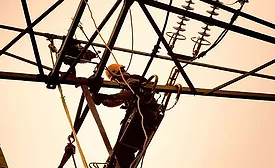
Today more than ever, companies need to reduce employee injuries and incident rates and avoid the costs of downtime due to electrical equipment failures. Implementing comprehensive electrical safety programs that result in changing and improving a company’s safety culture can help make these goals a reality.
The topic of worker heat exposure has made headlines across the country in recent years. In January of this year, OSHA leveled a fine of $149,664 for violations of the General Duty Clause in response to the 2018 death of a California Postal Worker.
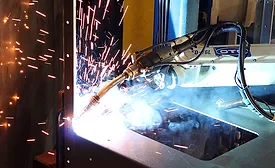
Pre-engineered robotic welding cells make automation available for a wide range of applications. Installing robots in facilities of all sizes can boost productivity by increasing weld speed, efficiency and quality. They also reduce cycle time by allowing a single operator to fixture the next piece while the robot welds.
 RSS
RSS